admin
admin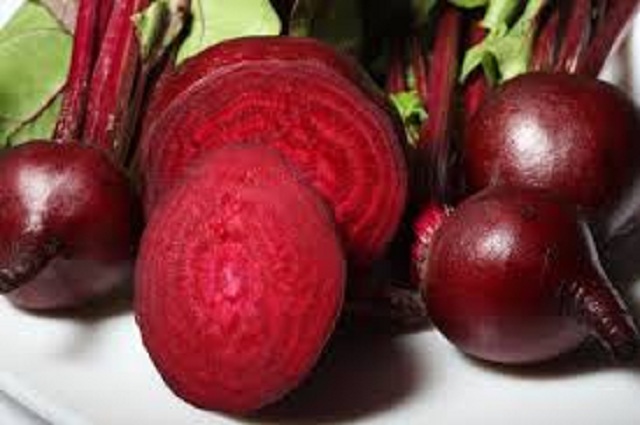

Eating fruits and vegetables of all kinds has long been associated with a reduced risk of many lifestyle-related health conditions. Many studies have suggested that increasing consumption of plant foods like beetroot decreases the risk of obesity and overall mortality, diabetes and promotes a healthy complexion and hair, increased energy, overall lower weight.
Heart health and blood pressure
A 2008 study published in Hypertension examined the effects of ingesting 500mls of beetroot juice in healthy volunteers and found that blood pressure was significantly lowered after ingestion.
Researchers hypothesised this was likely due to the high nitrate levels contained in beet juice and that the high nitrate vegetables could prove to be a low cost and effective way to treat cardiovascular conditions and blood pressure. Another study conducted in 2010 found similar results that drinking beetroot juice lowered blood pressure considerably on a dose-dependent basis.
Dementia
Researchers at Wake Forest University have found that drinking juice from beetroot can improve oxygenation to the brain, slowing the progression of dementia in older adults. According to Daniel Kim-Shapiro, director of Wake Forest’s
Translational Science Center, blood flow to certain areas of the brain decrease with age and leads to a decline in cognition and possible dementia.
Consuming beetroot juice as part of a high nitrate diet can improve the blood flow and oxygenation to these areas that are lacking.
Diabetes
Beets contain an antioxidant known as alpha-lipoic acid, which has been shown to lower glucose levels, increase insulin sensitivity and prevent oxidative stress-induced changes in patients with diabetes. Studies on alpha-lipoic acid have also shown decreases in peripheral neuropathy and/or autonomic neuropathy in diabetics.
Digestion and regularity
Because of its high fiber content, beetroot helps to prevent constipation and promote regularity for a healthy digestive tract.
Fight Inflammation
Choline is a very important and versatile nutrient in beetroot that helps with sleep, muscle movement, learning and memory.
Choline also helps to maintain the structure of cellular membranes, aids in the transmission of nerve impulses, assists in the absorption of fat and reduces chronic inflammation.
Anti-Cancer Properties
The powerful phytonutrients that give beets their deep crimson color may help to ward off cancer.
Research has shown that beetroot extract reduced multi-organ tumor formations in various animal models when administered in drinking water, for instance, while beetroot extract is also being studied for use in treating human pancreatic, breast, and prostate cancers.
Rich in Valuable Nutrients and Fiber
Beets are high in immune-boosting vitamin C, fiber, and essential minerals like potassium (essential for healthy nerve and muscle function) and manganese (which is good for your bones, liver, kidneys, and pancreas). Beets also contain the B vitamin folate, which helps reduce the risk of birth defects.
Detoxification Support
The betalin pigments in beets support your body’s Phase 2 detoxification process, which is when broken down toxins are bound to other molecules so they can be excreted from your body. Traditionally, beets are valued for their support in detoxification and helping to purify your blood and your liver.
Exercise and athletic performance
Beetroot juice supplementation has been shown to improve muscle oxygenation during exercise, suggesting that increased dietary nitrate intake has the potential to enhance exercise tolerance during long-term endurance exercise.
Quality of life for those with cardiovascular, respiratory, or metabolic diseases, who find the activities of daily living physically difficult because of lack of oxygenation, could be improved. — www.medicalnewstoday.com



 Online Reporter