Online Reporter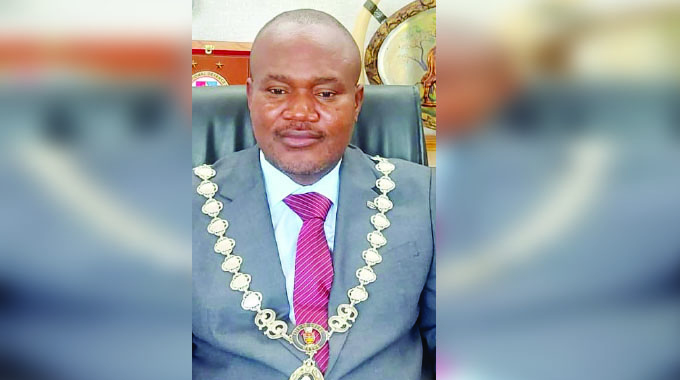
Patrick Chitumba, Midlands Bureau Chief
GWERU residents are grappling with a serious water crisis after heavy rains caused three electricity poles to collapse, cutting power supply to the city’s water pumping station at Gwenhoro Dam and disrupting water supplies.
The power outage has left the local authority unable to abstract, treat and pump water for several days, forcing residents to seek alternative water sources amid growing fears of water-borne diseases.
With taps dry across most suburbs, some residents have resorted to harvesting rainwater, while others are relying on boreholes or drawing water from unsafe sources, raising public health concerns.
Gweru Mayor Councillor Martin Chivhoko confirmed the development, saying restoration work had been delayed by adverse weather conditions.
“I am sorry to let you know that work on the Gwenhoro 33kV feeder was suspended due to poor light. We had three poles down and broken conductors and work was scheduled to resume early this morning to restore the power supply,” he said.
Clr Chivhoko said the power outage had severely disrupted the city’s water supply chain.
“The power outages have affected abstraction, pumping, treatment and storage of both treated and raw water for the past five days,” said the mayor.
Clr Chivhoko said the council was exploring long-term solutions to prevent electricity poles from toppling during heavy rains, which have become a recurring cause of power failures and water shortages in the city.
“The recent heavy rains have worsened the situation, resulting in the collapse of three electricity poles and cutting off power to critical water pumping infrastructure,” he said.
The Zimbabwe Electricity Transmission and Distribution Company (ZETDC) attributed the outage to fallen poles, citing unstable ground conditions that have made it difficult for repair trucks to access the affected areas.
Acting chairperson of the Gweru Residents Trust, Mr Obvious Gonamombe, said residents had once again been forced to rely on alternative and often unsafe water sources.
“Each year, we face the same challenge when Zesa poles topple. We need a lasting solution,” he said.
Mr Gonamombe said residents were increasingly frustrated by the recurring water crises and called for investment in alternative energy sources such as solar power to reduce reliance on the national grid.
“The water shortage has serious implications for public health, agriculture and the local economy,” he said.
Gweru Residents and Ratepayers Association director Mr Cornelius Selipiwe said outdated infrastructure, frequent power outages and rapid population growth were at the centre of the city’s water challenges.
“As things stand, Gweru City Council is only able to pump about 43 megalitres of water per day, against a daily demand of 125 megalitres. We urgently need investment in new and modern water reticulation infrastructure,” he said.
Mr Selipiwe said the city’s water system, constructed between 1952 and 1957, was no longer coping with current demand, while frequent power cuts continued to disrupt pumping and treatment operations.
He said recent water-rationing measures had worsened the situation, with some suburbs receiving water only once or twice a week.
“As a result, households are being forced to seek alternative, often unsafe, water sources, increasing the risk of waterborne diseases such as cholera and typhoid,” said Mr Selipiwe.
He urged the local authority and stakeholders to urgently restore power to pumping stations and implement sustainable, long-term solutions to guarantee reliable access to clean water.