Chronicle Editor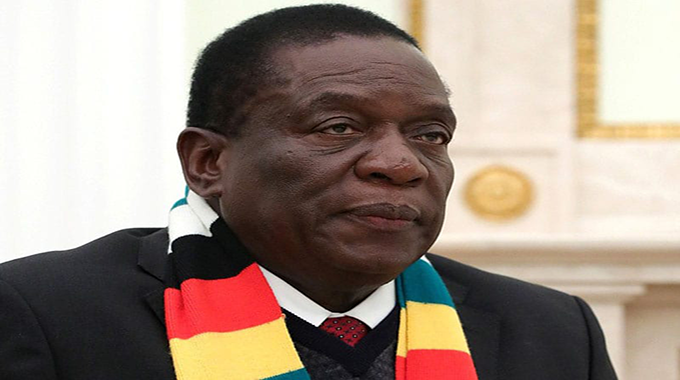
Stephen Mpofu, Perspective
News from beyond this country’s immediate borders to the South and to the East these past few days must have caused ripples of joy that cascaded across sullen faces of millions of Zimbabweans who have been going daily without one or two or all of their three square meals a day because of worrying low levels of water at Lake Kariba which has seriously reduced power generation there for countrywide distribution to sustain normal economic and social activities.
What is more, firewood as an alternative source of domestic power has also become a no-touch environmental resource apparently, so it would appear, because the powers that be want to prevent reckless denudations of woodlands with serious implications for recurrent droughts caused by global warming
The news in point is that South Africa and Mozambique, both members of the Southern African Development Community (Sadc), have reportedly said they will come to this country’s rescue with more power supplies.
Zimbabwe recently paid part of its debt to ESKOM for the South African power giant to resume power supplies to our country to buttress developmental activities in the wake of our depleted local power supplies.
Mozambique’s Cahora Bassa, which has also previously supplied power to our country should with its promised renewed help, put Zimbabwe back on the path of its initiatives to re-invigorate the country’s economy.
But, surely, should not energy as well as air, rail and road traffic be among a development community’s modus operandi to be operationalised automatically by Sadc ministers responsible for the portfolios concerned when bottlenecks occur or natural disasters such as drought which has affected Zimbabwe due to global warming, instead of the challenges in question remaining in limbo for Heads of State for Sadc countries to work out solutions on the sidelines of some international indaba somewhere on the African continent?
Be that as it may, it is also incumbent on countries in debt to pay up what they owe so that a development community such as Sadc, operates smoothly rather than in fits and starts.
Close co-operation with community member states by timeously meeting their financial obligations, will augur well for the success of development in our region.
While we are at the subject of economic development, it appears prudent to mention in this discourse that Zimbabwe is right now on the verge of devolution – the unbundling of stratified, central Government power to local, very local and very, very local structures of governance accompanied with salient administrative and financial ramifications should not just be felt by the people but the people must actually exercise the responsibilities reposed into their hands by devolution in order not to bungle this very important new step forward in our country’s national developmental initiatives.
In a discussion of devolution on one of the Zimpaper’s radio stations earlier this week, experts and contributors to the talk show concurred that it was a must for our people to take a leaf each from the success of stories of devolution in neighbouring South Africa and Sweden.
The two countries have taken power to the people in earnest rather than verbally and Zimbabweans should not be ashamed of learning from the experiences of the nations in point so that, for instance, petty political tug of wars between ruling and opposition political parties do not derail our own devolution.
It behoves on this pen to state without exaggeration that corruption remains an endemic developmental challenge on the African continent, apparently due to Africa’s impoverishment by colonialists who in their heydays in Africa plundered and carted off mineral and other riches back to their native countries to build palaces there or to munch after their return home as the winds of change buffeted across the continent with independence overtaking imperialism.
Zimbabweans have not lived above board when it comes to this satanic vice but hats off to the incumbent new dispensation Government of President Mnangagwa which is intensifying its blitz on corrupt officials in its ranks as well as in its parastatals with the private sector expected to follow suit.
We suggested in these columns not so long ago that corruption in both the public and private sectors should be treated as suicidal with offenders being kept in the shade and only be allowed to step back into the public limelight after going through evident metamorphoses in their conduct.
It must therefore have come as some measure of relief to the public the news a few days ago that anti-corruption sleuths appointed by the Government have now been emboldened and made more effective with the granting of arresting, though not prosecuting powers by Parliament.
Hitherto – they may have worked tirelessly – and indeed, they did so – to ferret out from our society undesirable elements who must have previously ticked them off as “toothless bulldogs”.
But now, given their increased powers, the anti-corruption operatives should be deployed to pickup the scent of any money, tax payers money, reported by the Auditor General to have been paid out by Government or parastatal department to suppliers of goods or services which were however not delivered.
They must interrogate the persons responsible for paying the money and those who received it to discover why money changed hands in the absence of what it ought to have purchased.
It is therefore to be expected that with their new teeth they will bite more offenders to handover to prosecuting authorities in order for our courts to hand down just deserts to those found guilty of committing an offence.
In conclusion, countries also blighted by corruption might do well to take a cue from Zimbabwe to re-inforce their own efforts in weeding out corrupt elements hibernating within the ranks of their public or private sector.



 Online Reporter