admin
admin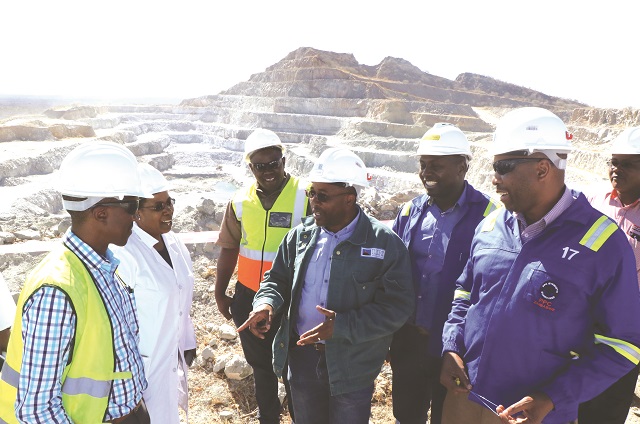

Prosper Ndlovu recently in Collen Bawn
THE country’s largest cement producer, PPC Zimbabwe has hinted on a possibility to shut down its Collen Bawn plant in Gwanda citing pressure from cheap imported clinker by other producers and smuggled cement, which frustrate its operations.
The Collen Bawn factory is the backbone of PPC operations in the country responsible for lime mining and production of clinker, a major raw material in cement manufacturing. PPC Zimbabwe is part of the four producers of cement in the country that include Sino Zim, Larfarge and Kwekwe-based Livetouch Cement.
Management has since appealed to Government for protection saying unless measures were put in place to curb cheap imports, the giant firm risks losing its more than 70 years investment at Colleen Bawn. The situation could also trigger loss of jobs and compromise livelihoods for nearly 4 000 people in the community who depend on the factory.
Country managing director Mr Kelibone Masiyane accompanied by PPC International MD, Mr Ramafoko Mokate and their senior staff met Industry and Commerce Deputy Minister, Chiratidzo Mabuwa, during a tour of the plant on Thursday where they discussed factors that threaten their viability and hinted on the possibility of shutting the factory and opting for cheap imported clinker.
“The cost of production is very high in Zimbabwe when compared to the rest of the region. Our competitors are importing clinker at a cheaper cost and they are jumping the production process. The biggest challenge here at Colleen Bawn is that we incur huge costs producing clinker and because of this there is a risk of closure of the plant and opting to import clinker as well,” said Mr Masiyane.
“This whole investment is at risk if we take that route. We are saying the closure of this plant is a possible risk if imports are not controlled as we will be forced to also import clinker from our sister plants in SA if we don’t get protection. This is why we need protection so that the playing field is level.”
Mr Masiyane expressed confidence that the engagements they were having with Government were going to result in fruitful interventions that would protect the firm and avert negative effects. He said their major cost driver was electricity at 14c/kWh, which is far above average regional benchmarks at eight percent.
He said as a result of high costs, local cement could not compete effectively with regional producers like Zambia which are also benefiting from the Comesa free trade agreements.
“We are quite vulnerable as a country as we need temporary protection. We need to stop cement and clinker imports as we have capacity and this is not unique to Zimbabwe,” said Masiyane.
In her response Deputy Minister Mabuwa said Government appreciates the strategic economic role of the cement manufacturing sector and would address the plight of PPC. She concurred that while processed cement was removed from the open general import licence, continued clinker imports were having a negative effect on the value chain.
“The long and short of it is that now we have to go and see that all the clinker needed for cement production is sourced locally. It doesn’t mean anything if we import clinker and just do the end levels,” she said.
“The real issue here is about importation of the main raw material and this is what we are going to look at. Here at Collen Bawn the plant we see here with all the capital investment, doesn’t produce the end product but produces clinker, which is the main raw material in the production of cement. If we allow clinker to come in it’s as good as importing cement. So we are going to talk to manufacturers of cement to make sure that they don’t import clinker but source it here and if they don’t have adequate supplies they should source if from within. That’s important and we are going to make sure that we remove clinker from the open general import licence.”
During the tour it emerged that eight stages of producing cement are done up to clinker level at Collen Bawn with the PPC plant in Harare and Bulawayo only doing finishing levels. The Deputy Minister also challenged the PPC management to ensure they supplied clinker to everybody who needs it in the country, including exploring exports market.



 Online Reporter