Online Reporter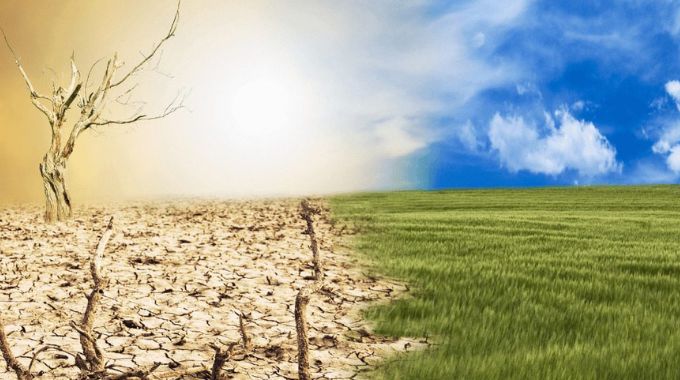
Engineer Tapuwa Justice Mashangwa
Zimbabwe’s agricultural sector has always been vulnerable to climate variability, but El Niño years present an even greater challenge. El Niño typically brings below-normal rainfall, prolonged dry spells, higher temperatures and increased water stress across much of southern Africa. For Zimbabwe, this often translates into reduced crop yields, livestock losses, declining pasture, water shortages and increased food insecurity. Research has consistently shown a strong relationship between El Niño events and poor maize harvests in Zimbabwe, making early preparation essential rather than optional.
The difference between farmers who survive a drought and those who suffer devastating losses is often determined by the decisions made before the first rains arrive. Whether one is a subsistence farmer producing food for the family, a smallholder supplying local markets, a medium-scale producer or a commercial farming enterprise, proactive planning can significantly reduce drought-related losses.
Subsistence farmers should focus first on household food security. Instead of relying heavily on maize alone, families should diversify into drought-tolerant crops such as sorghum, pearl millet, finger millet, cowpeas, bambara nuts and groundnuts. These crops require less moisture and are better suited to dry conditions than conventional maize. Farmers should also select early-maturing seed varieties that can complete their growth cycle before moisture becomes critically limited. Where maize remains necessary, only drought-tolerant varieties should be planted and acreage should be adjusted to match expected rainfall.
Conservation agriculture, particularly the Pfumvudza/Intwasa model, remains one of the most effective drought adaptation strategies. Minimum soil disturbance, mulching and timely planting help conserve soil moisture while improving crop survival during prolonged dry spells. Farmers should also prepare planting basins well before the onset of the rainy season to enable immediate planting after effective rainfall.
Water conservation will become increasingly important. Every household should maximise rainwater harvesting by collecting runoff from rooftops into tanks or drums where possible. Small infiltration pits, contour ridges and tied ridges can also help retain rainfall within fields instead of allowing it to run off.
Smallholder farmers who produce for local markets need to think beyond survival and focus on risk management. Diversification should extend beyond crops into livestock and horticulture where irrigation is available. Poultry, goats and indigenous chickens often perform better than large cattle during drought periods because they require less water and feed.
Smallholders should reduce unnecessary production risks by staggering planting dates where possible rather than planting all fields simultaneously. This spreads climatic risk should early rains fail. Soil fertility management also deserves attention. Applying compost, manure and balanced fertilisers improves soil structure, allowing soils to retain more moisture throughout the growing season.
Farmers should closely monitor weather forecasts issued by the Meteorological Services Department and agricultural extension officers. Climate information allows better decisions regarding planting windows, fertiliser application and supplementary irrigation. Acting on seasonal forecasts rather than relying solely on traditional planting dates can substantially reduce production losses.
Medium-scale farmers have greater opportunities to invest in resilience. Rehabilitation of irrigation systems should be prioritised before the growing season begins. Existing boreholes, dams, pumps and pipelines should be serviced and repaired well in advance. Farmers should also consider expanding water harvesting infrastructure through farm ponds, storage tanks and improved dam management.
Precision agriculture can improve water use efficiency. Drip irrigation, moisture sensors and scheduled irrigation reduce unnecessary water losses while ensuring crops receive adequate moisture during critical growth stages. Medium-scale farmers should also reassess cropping programmes, allocating more land to drought-tolerant grains, oilseeds and legumes while reducing exposure to water-demanding crops unless reliable irrigation is available.
Livestock producers should develop feed budgets several months before pasture conditions deteriorate. Conserving hay, producing silage and purchasing supplementary feed early are often more economical than buying scarce feed during the peak of drought. Farmers should also identify non-productive animals for early destocking before livestock prices collapse and grazing resources become exhausted.
Commercial farmers face larger financial exposure but also possess greater capacity for strategic planning. Enterprise-wide drought preparedness should include comprehensive risk assessments, scenario planning and business continuity strategies. Financial reserves should be reviewed alongside insurance coverage to ensure protection against severe weather events where appropriate.
Commercial irrigation schemes should optimise water allocation through regular audits of irrigation efficiency. Modern irrigation technologies, including centre pivots equipped with variable-rate irrigation or drip systems, can substantially improve water productivity. Investment in renewable energy-powered pumping systems may also reduce operational costs while improving reliability.
Crop portfolios should be diversified to minimise dependence on a single commodity. Contract farming arrangements and forward marketing strategies can further reduce financial uncertainty during difficult seasons. Input procurement should occur well before demand surges, ensuring adequate supplies of drought-tolerant seed, fertilisers, veterinary medicines and irrigation equipment.
Across all farming categories, livestock management deserves particular attention. Farmers should secure reliable water supplies by maintaining boreholes, deepening wells where feasible and implementing water harvesting systems. Vaccination programmes, parasite control and routine animal health management should continue despite drought pressures because weakened animals become more susceptible to disease under stressful conditions. Strategic supplementary feeding should begin before livestock body condition deteriorates significantly.
Another important consideration is wildfire prevention. Dry vegetation significantly increases fire risk during El Niño years. Farmers should establish and maintain fireguards around fields, grazing lands and homesteads while ensuring firefighting equipment remains available throughout the dry season.
Finally, drought preparedness requires collaboration. Farmers should work closely with extension officers, research institutions, farmer organisations, financial institutions and government programmes supporting climate-smart agriculture. Zimbabwe has increasingly emphasised anticipatory action, including drought-tolerant seed distribution, irrigation rehabilitation, climate information services and water harvesting initiatives, all aimed at helping farmers prepare before drought conditions intensify rather than responding after losses occur.
El Niño should not be viewed as an inevitable farming disaster but as a manageable production risk. Farmers who prepare early by conserving water, diversifying enterprises, selecting drought-tolerant crops, protecting livestock and using reliable weather information will be far better positioned to safeguard their livelihoods. In an era of increasing climate variability, resilience is becoming the most valuable agricultural investment any Zimbabwean farmer can make.
The writer is Eng. Tapuwa Justice Mashangwa, GCEO Emerald Investments, CEO DataFarm, CEO Emerald Agribusiness and CEO TranslateZW. He can be contacted on +263771641714 and email: [email protected] or [email protected].