Chronicle Editor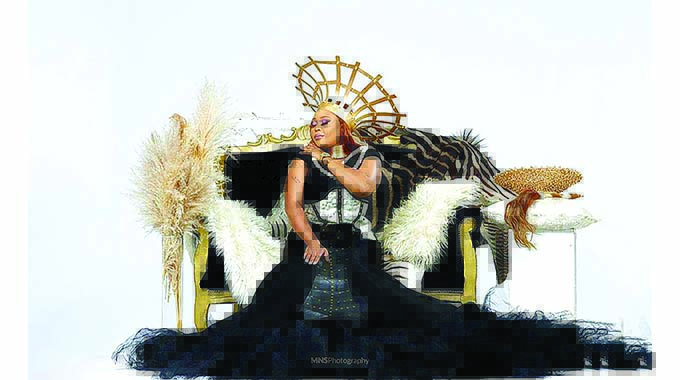
Flora Fadzai Sibanda, Chronicle Reporter
NKANYEZIYETHU Malunga, a young designer with a passion for preserving traditional knowledge and resources, is making waves across the globe with her fashion designs. Inspired by her grandmother’s love for using indigenous resources and knowledge to make fashion, Nkanyeziyethu started gathering different traditional designs from different cultures to preserve them for future generations.
Through her designs, made using natural fibres and resources from the environment, Nkanyeziyethu has been designing for celebrities and supplying shows like The Real Housewives of Durban in South Africa and Uthando Nesthembu. Her designs include traditional hats made from woven wool, and traditional attires made from different animal skins.
For Nkanyeziyethu, visits to her rural home were what shaped the designer she is today. She would watch her grandmother making a reed mat with different types of grass and varied impendulo (dyes) like umnyi (bird plum), umganu or icena (aloe) to decorate the mats. She realised how much traditional fashion was being forgotten by urban dwellers, and this bothered her because a lot of urban dwellers did not know how to do that, and it meant the following generations would lose that knowledge.
As a way of preserving the knowledge, her grandmother knew she started watching her when she was doing her designs and would ask how she was doing it and where she learned it.
“When I saw how this knowledge my grandmother knew was dying at an alarming rate I knew I had to preserve it even for my future children. That is when I learnt the art of using indigenous knowledge from ugogo and my mother. From there I continued learning from my elders from various rural areas. I felt it was important to get to know how they used to design from various cultures as they are all reservoirs of traditional systems,” said Nkanyeziyethu.
Nkanyeziyethu says through interacting with the elders of different communities, she learned how they would use animal skins and the environment in general to make their designs. She believes that by sharing her designs, she will also be sharing her childhood adventures and heritage with the whole world as they all tell a different story.
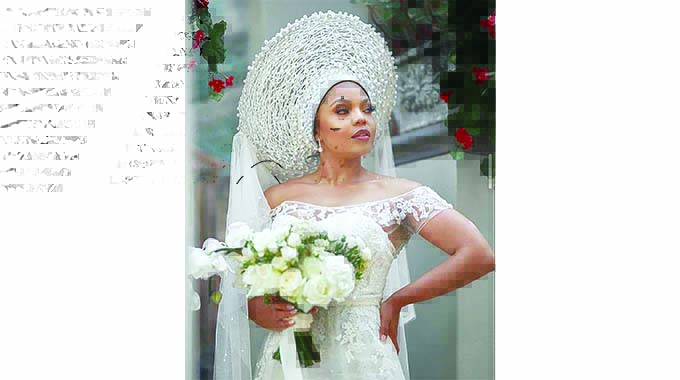
“Fashion is moving fast right now in the world, and it is easily recognised, that is why I decided to share my heritage through it,” she said.
She travels across the country visiting different community elders who teach her how things were done in the past and tell her how important those designs are, and in turn, she documents that by designing something that everyone will be proud of having on a daily basis.
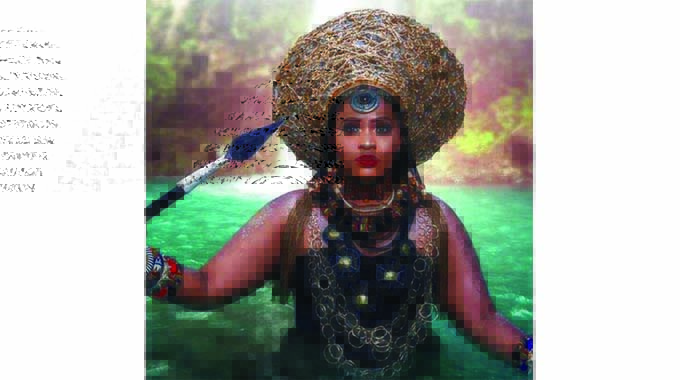
Nkanyeziyethu’s designs are made using hand-woven and dye techniques, and she works with a lot of natural fibres such as mohair from angora goats, cotton, sisal, and leather, which she sources sustainably as they are a by-product of the meat industry.
Nkanyeziyethu said she works from home and sometimes goes to her workshop in the city centre after having inquired about the knowledge.
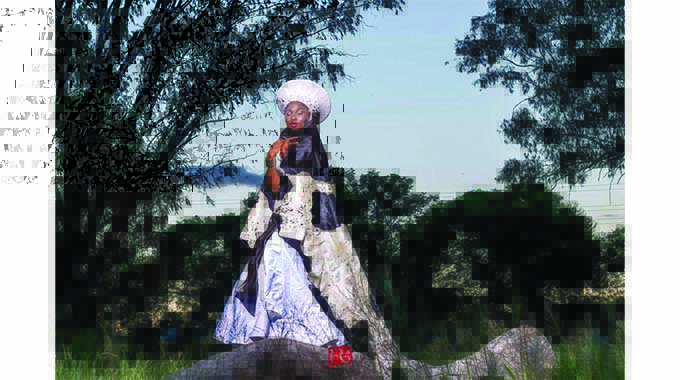
“Social media and word of mouth are very powerful tools. I have used these two to build relations beyond boarders. Knowing that my work has reached an international market is a blessing and it feels amazing as it emphasises my purpose. It’s also a recognition of a collective effort from Zimbabwe not ‘uNka’ in isolation. I love the feeling,” she says.
The designer says the sustainability of the fashion and textile industry is a challenge that requires one to be innovative and be able to think outside the box.
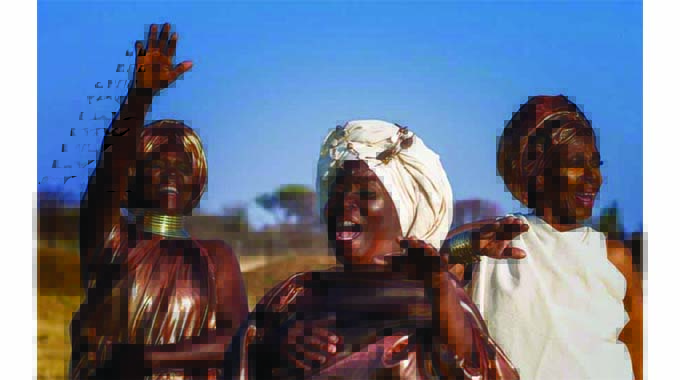
However, as a local designer, she faces challenges like the lack of meaningful collaborations across sectors and the minimisation of the contribution of indigenous knowledge systems in the creative sector for the sustainability of the economy.
Despite these challenges, Nkanyeziyethu’s work has reached an international market through social media and word of mouth.
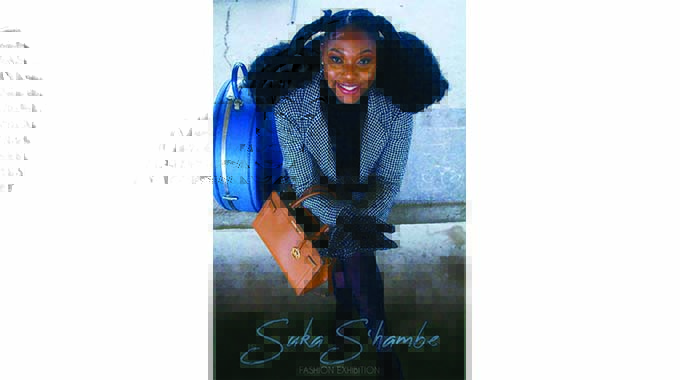
She believes that sustainability in the fashion and textile industry requires innovation and thinking outside the box. For Nkanyeziyethu, preserving traditional knowledge and resources is not just about fashion, but it is also about preserving history, heritage, and culture for future generations—@flora_sibanda


 Online Reporter