Robin Muchetu, Health and Gender Editor
PRESIDENT Mnangagwa has expressed concern over rising cases of intimate partner violence (IPV), including incidents resulting in loss of life, saying the vice is alien to Zimbabwean culture and must be weeded out.
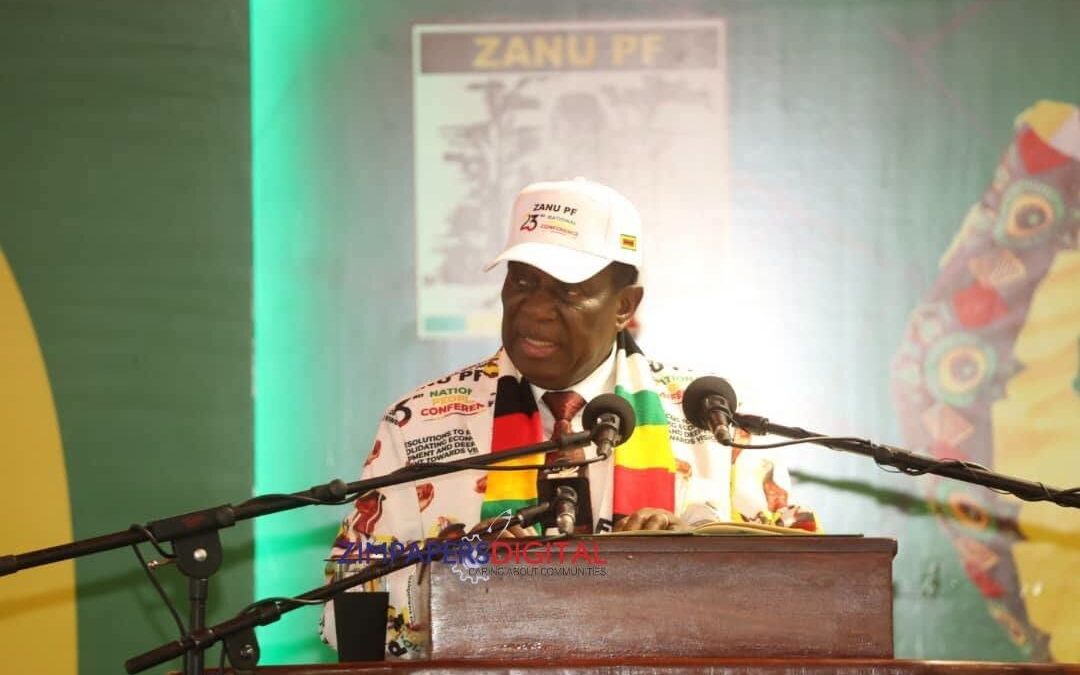
He raised the concern while officially opening the 23rd Zanu PF National People’s Conference in Chinhoyi, Mashonaland West Province.
“On the social and cultural development front, I am gravely concerned by the growing number of reported marital crimes which are resulting in the loss of lives. This is not who we are as the Zimbabwean people,” he said.
The Zimbabwe Gender Commission last week raised concern over increasing reports of physical, sexual, emotional and other forms of violence within intimate relationships, including cases that have escalated into loss of life.

Media reports indicate that more than 15 deaths, including suicides, have occurred in Zimbabwe over the past two months in cases involving intimate partner violence.
President Mnangagwa called for the restoration of family values and the promotion of unhu/ubuntu as the country seeks to strengthen its moral fabric and end violence between partners.
“I call for the restoration of family values and respect for the sanctity of life. SeMusangano weruzhinji rwevanhu veZimbabwe, ngatirambei tichikurudzira tsika nemagariro akanaka,” he said.
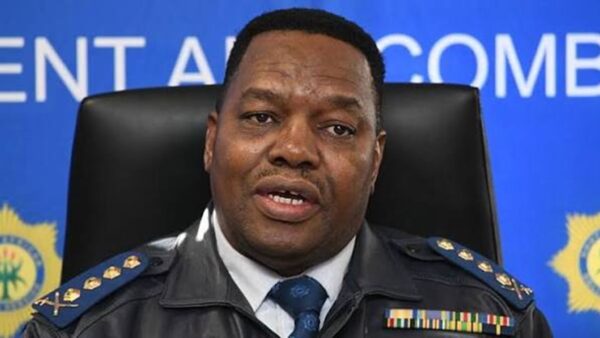
The Zimbabwe Republic Police has also reported cases of domestic violence and related offences, some of which have escalated into grievous bodily harm, murder and suicide.
In 2024, at least 13 838 cases of sexual offences and aggravated domestic violence were recorded across the country.
The recently launched Anti-Domestic Violence Council has also raised concern over the recent loss of lives in cases linked to domestic violence.
In a statement issued on Friday afternoon, the Council said every life lost was a profound tragedy and a reminder that domestic violence could escalate with devastating and irreversible consequences.
“These incidents demand renewed urgency, collective responsibility and decisive action to prevent violence before it becomes fatal.
“The Council therefore calls upon all members of the public to reject all forms of domestic violence and to desist from using violence, threats, intimidation or abuse as a means of resolving family and relationship disputes. Conflict and disagreement may occur within families and relationships, but violence must never be accepted as a response,” the Council said.
It added that domestic violence was not a private matter to be concealed behind closed doors, but a serious social and legal concern requiring a coordinated response from families, communities, traditional and religious leaders, service providers, law enforcement agencies and all institutions mandated to protect individuals and families.
The Council specifically urged traditional, religious and community leaders, as well as families, to strengthen prevention and early intervention measures.
It said leaders at every level must challenge attitudes, practices and beliefs that excuse, conceal or normalise violence within the home.
“Silence must not become a shield for violence,” the Council said.
“We must not wait until violence has resulted in serious injury or loss of life before we act. Prevention begins when the first warning signs appear, when the first threat is made, when the first incident is reported and when communities choose not to remain silent.”