Theseus Mauruki Shambare
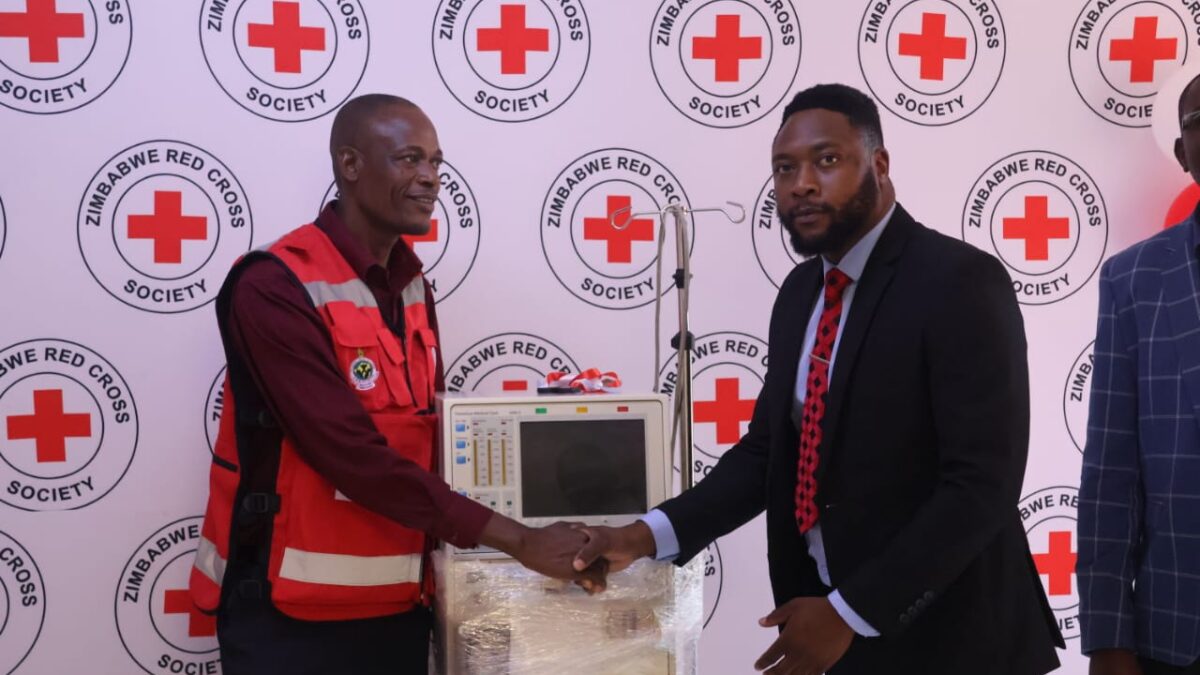
THE Zimbabwe Red Cross Society (ZRCS) expects to extend dialysis services to 10 additional patients, including those with hepatitis B, following the donation of a new dialysis machine to its clinic in Harare.
The machine will increase the clinic’s equipment base from four to five, strengthening its capacity to provide life-sustaining treatment to people with kidney failure.
The clinic currently serves 40 patients, conducting between 90 and 140 dialysis sessions monthly, with the additional equipment expected to ease operational constraints and improve access to treatment.
During the hand over ceremony held today, ZRCS Clinical Director and Clinic Practitioner-in-Charge Dr Joel Tapi said the machine would also create opportunities to accommodate patients with hepatitis B, who may face additional barriers to accessing dialysis because of specialised infection prevention and control requirements.
“The donated machine will help us strengthen our capacity to accommodate these patients, subject to appropriate equipment arrangements, dedicated infection prevention and control procedures and compliance with applicable technical standards,” he said.
Dr Tapi said the institution expected the machine to become operational soon after commissioning by the Health Professions Authority.
The clinic, he said, already had the necessary infrastructure, trained personnel and resources to ensure its effective operation.
The expansion i
s expected to make specialised treatment accessible to more patients, with the clinic offering dialysis services at subsidised rates to help meet operational costs.
Dr Tapi said the initiative reflected the institution’s commitment to making specialised healthcare more inclusive while maintaining patient safety and quality of care.
He, however, emphasised that acquiring equipment was only the beginning, as its effective use would require proper installation, maintenance and adherence to clinical and technical standards.
The machine was donated by DSXmed, whose director, Dr Panganayi Darikai, said the contribution was intended to improve access to essential healthcare for people living with kidney disease.
He highlighted the significant financial and emotional burden kidney failure places on patients and their families, noting that dialysis requires substantial investment beyond the acquisition of machines.
“Dialysis machines are expensive investments, with additional costs for consumables, maintenance, specialised personnel, water and electricity,” he said.
Dr Darikai said his involvement was also driven by personal experience, having lost his mother to kidney failure, which strengthened his desire to support families facing similar challenges.
ZRCS secretary general, Mr Elias Hwenga said access to specialised healthcare remained a challenge for vulnerable communities.
“Government and humanitarian organisations cannot address all the needs of vulnerable communities alone. We need business, individuals and other stakeholders to complement these efforts through resources, expertise and innovative solutions,” he said.
He said the machine would require sustained technical support, trained personnel and maintenance to deliver lasting benefits.
Hwenga also revealed that the Indian Ambassador had offered assistance towards meeting some of the clinic’s staff training needs.