Gibson Mhaka [email protected]
PRESIDENT Mnangagwa has called for the commercialisation of Zimbabwe’s sporting and creative industries, saying the sectors have immense potential to create jobs, attract investment and drive economic growth as the country advances towards Vision 2030.
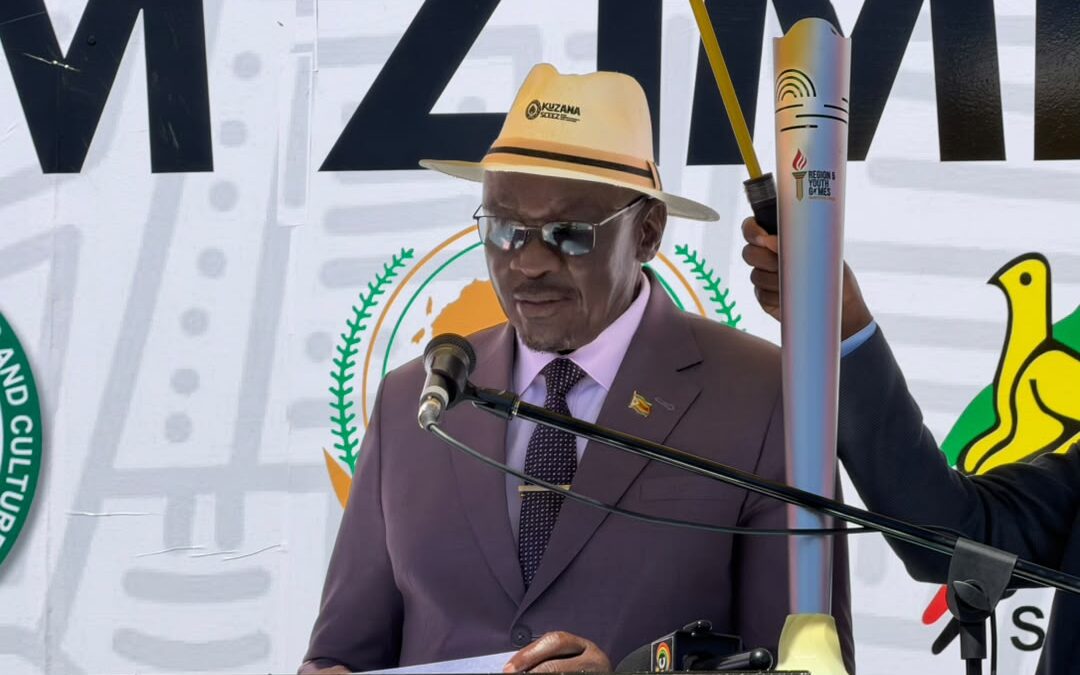
The President, who was represented by Vice-President Kembo Mohadi at the official opening of the inaugural Kuzana Sport and Creative Economy Expo at the Zimbabwe International Trade Fair (ZITF) Hall 2 in Bulawayo on Friday, said sport, arts and culture should be recognised and developed as viable economic sectors rather than being viewed merely as recreational and entertainment activities.
“If properly supported and commercially developed, then these sectors present significant job creation, generators of innovation, vehicles for national pride, tourist attractions, and drivers of economic growth,” he said.
President Mnangagwa said the expo was in line with the National Development Strategy 2 (NDS2), which identifies sport, culture and the creative industries as key pillars in the country’s quest to achieve an empowered and prosperous upper-middle-income society by 2030.
He said Government remained committed to strengthening policy, regulatory and institutional frameworks to unlock the full economic potential of the sectors, while facilitating access to infrastructure, finance, technology and markets.
“We need to create an environment that enables Zimbabwean talent to produce Zimbabwean value, while allowing our products, brands, and cultural expressions to compete competitively on regional and international levels,” he said.
The President challenged investors and captains of industry to move beyond conventional sponsorship arrangements and establish strategic partnerships capable of generating sustainable economic returns across sectors such as tourism, manufacturing, entertainment, brand development and digital enterprise.
He said the growth of the creative economy should be anchored on the protection and commercialisation of intellectual property, as well as the promotion of Zimbabwe’s rich cultural heritage and locally produced content for regional and international markets.
President Mnangagwa also underscored the importance of preserving and promoting the country’s cultural heritage, highlighting efforts to secure international recognition for traditional cultural expressions.
Among the initiatives he cited were plans to register AmaBhiza dance on UNESCO’s Intangible Cultural Heritage list, following the international recognition of mbira music and the Mhende Jerusarema dance.
He challenged stakeholders to ensure that the expo translated into tangible economic benefits, saying its success should be measured by the opportunities it created rather than the event itself.
“Our success will not be measured simply by how many times we host exhibitions, but by how many businesses are created, jobs produced, investments secured, intellectual property commercialised, and Zimbabwean products successfully marketed abroad,” he said.
President Mnangagwa urged young people to take their talents seriously and develop them professionally, emphasising that creativity was not only a source of personal fulfilment but also an important avenue for employment creation, entrepreneurship and national development.
He said the country’s sporting and creative sectors could make a significant contribution to economic transformation if stakeholders worked together to build commercially sustainable enterprises and position Zimbabwean talent on the global stage.