Online Reporter
By Russell Mukau
ZIMBABWE’S history is a story of courage, sacrifice and unyielding determination to secure sovereignty and prosperity. Few individuals embody that journey as profoundly as the President, Cde Mnangagwa.
From the crucible of the liberation struggle to the stewardship of the Second Republic, President Mnangagwa has remained steadfast in his commitment to the ideals of independence, national unity and economic development.
His life’s journey mirrors the trajectory of Zimbabwe itself — from the difficult years of colonial domination, through the liberation struggle, to the modern drive for economic transformation and prosperity.
A Liberation Cadre Forged in the Struggle
President Mnangagwa joined the liberation struggle at a young age, sacrificing personal comfort to fight for the freedom of his country. He underwent military training in China, Russia and Egypt, acquiring critical guerrilla warfare skills that strengthened the liberation movement.
As a member of the Crocodile Gang, he participated in strategic sabotage operations that shook the Rhodesian regime.
His subsequent arrest and death sentence — later commuted because of his age — demonstrated the immense risks borne by young freedom fighters determined to liberate their homeland.
Even behind prison walls, his loyalty to the struggle never wavered. Upon his release, he became a trusted aide to Zimbabwe’s founding leadership under Robert Mugabe and played an important role during the historic Lancaster House Conference which paved the way for Zimbabwe’s independence in 1980.
A Lifetime of Loyal National Service
After independence, President Mnangagwa served the nation in several critical portfolios, including State Security, Justice, Defence and Finance. In each role he demonstrated discipline, loyalty and dedication to strengthening Zimbabwe’s institutions and safeguarding the sovereignty won through sacrifice.
His long service in Government positioned him among the most experienced statesmen in the country’s modern political history.
Across decades of public service, he has consistently defended Zimbabwe’s national interests while advancing policies aimed at stability and development.
The Second Republic: Reform, Infrastructure and Economic Revival
The political transition of 2017 marked the beginning of a new chapter in Zimbabwe’s governance.
Under President Mnangagwa’s leadership, the Second Republic was ushered in with a clear reform agenda focused on economic recovery, infrastructure modernisation and global re-engagement.
Anchored on the national development blueprint Vision 2030, the administration has prioritised the transformation of Zimbabwe into an upper-middle-income economy.
Across the country, infrastructure development has become one of the most visible markers of this transformation.
Major rehabilitation and construction works have modernised key road networks, including the Beitbridge-Harare-Chirundu highway, improving trade corridors and mobility.
Energy security has also received renewed focus through the expansion of the Hwange Thermal Power Station, which has significantly boosted electricity generation and strengthened industrial capacity.
Agriculture, the backbone of Zimbabwe’s economy, has been revitalised through the Pfumvudza/Intwasa climate-smart farming programme, which has helped improve productivity and ensure national food security even in the face of climate challenges.
The modernisation of strategic infrastructure, including Robert Gabriel Mugabe International Airport and Victoria Falls Airport, reflects the Second Republic’s commitment to positioning Zimbabwe as a competitive destination for tourism, investment and trade.
At the same time, economic reforms — including the introduction of the gold-backed ZiG currency and expanded investment in lithium, gold, platinum and chrome — are laying the foundation for long-term financial stability and industrial growth.
A Leadership Style Rooted in the People
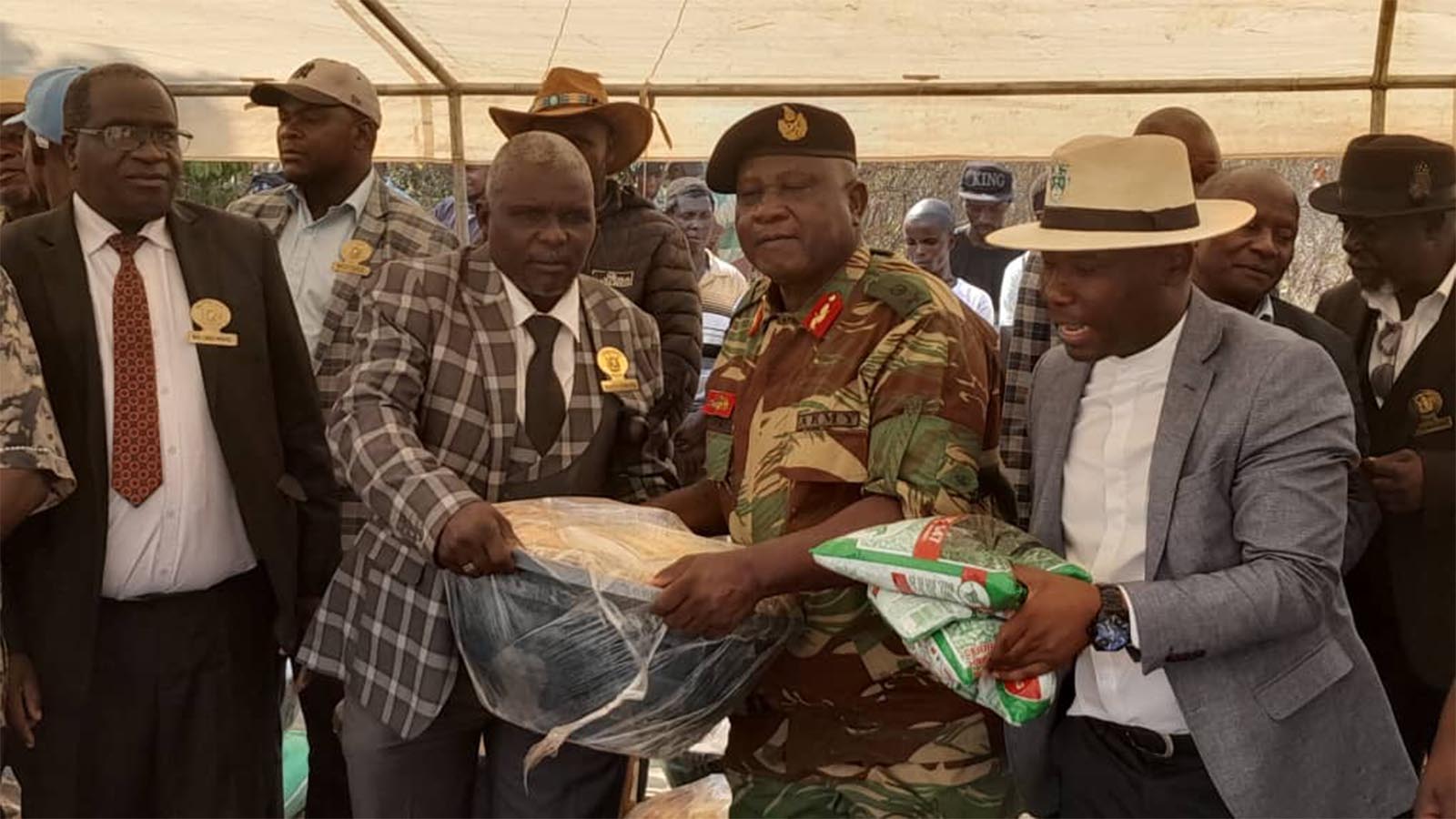
President Mnangagwa’s leadership style has emphasised accessibility, engagement and responsiveness to the needs of ordinary Zimbabweans. His frequent visits to provinces, farms, industries and community projects demonstrate a governance philosophy that places citizens at the centre of development.
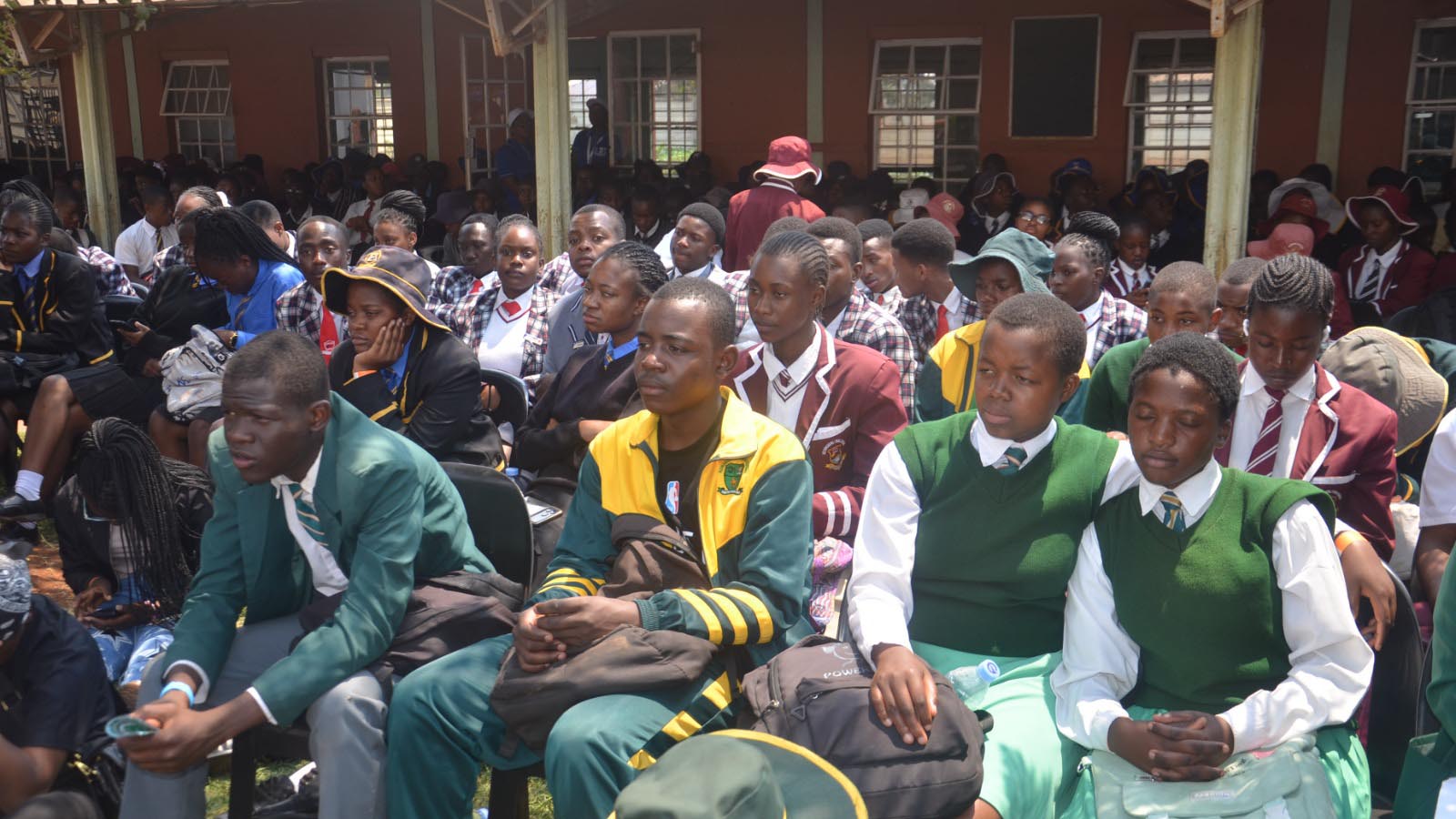
His message to the nation’s youth has been consistent: shun drugs, violence and idleness, and instead embrace discipline, innovation and patriotism. In his own life story, many young Zimbabweans see a powerful reminder that leadership is forged through service and commitment to national ideals.
Securing Zimbabwe’s Future
As Zimbabwe advances toward Vision 2030, the Second Republic continues to emphasise infrastructure development, agricultural transformation, economic modernisation and national unity.
President Mnangagwa stands as a living bridge between the liberation struggle and the developmental aspirations of modern Zimbabwe.
His leadership reinforces a central principle of the nation’s founding ethos — that Zimbabwe’s destiny must always remain firmly in the hands of its own people.
The lessons of the liberation struggle remain relevant today.
Understanding the sacrifices that secured independence is essential for safeguarding the country’s sovereignty and guiding its development path.
Indeed, the national mantra continues to resonate with clarity and purpose:
Nyika inovakwa nevene vayo — a nation is built by its own people, brick by brick, stone upon stone.
Proverbs 14:34:
“Righteousness exalts a nation, but sin condemns any people.”