Online Reporter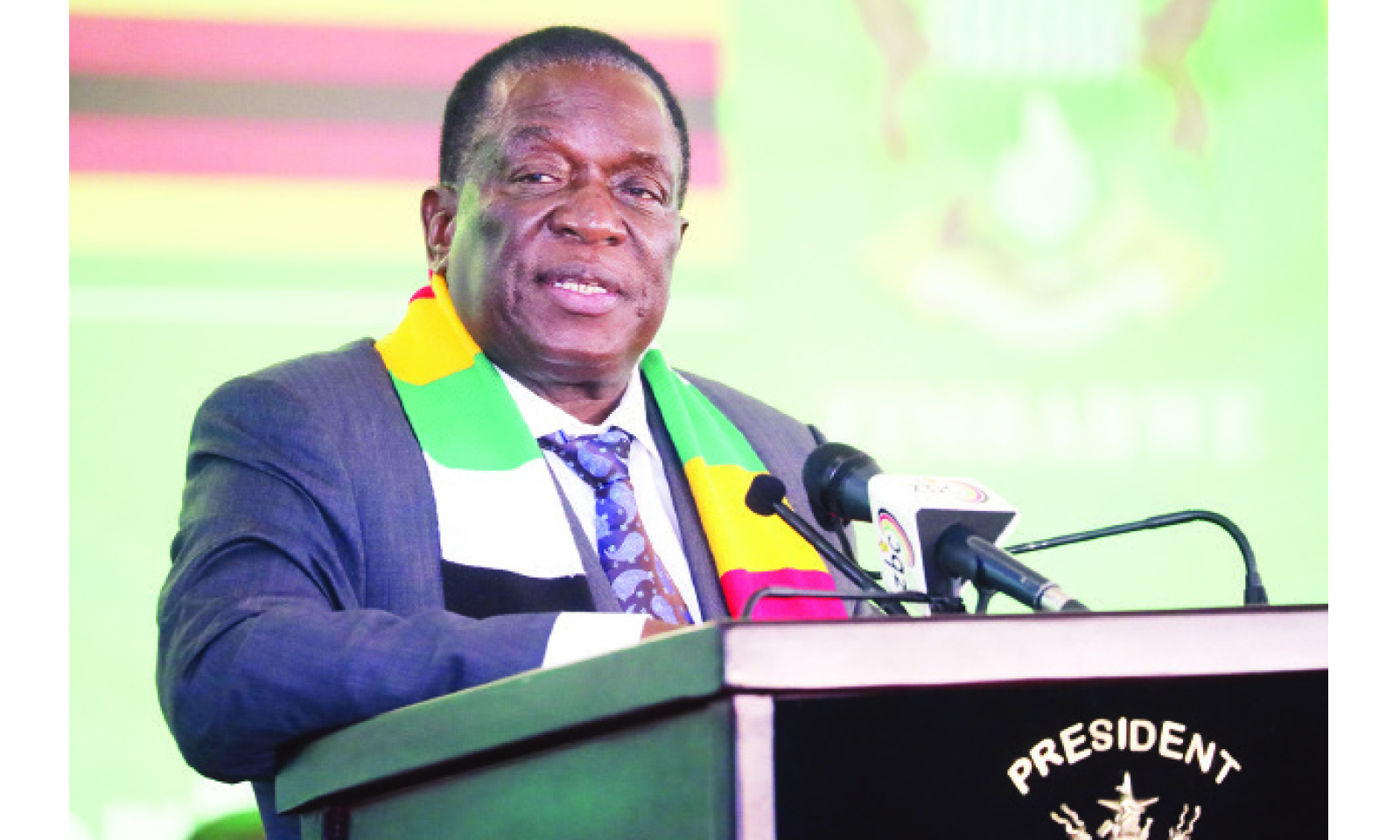
Gibson Mhaka, Zimpapers Politics Hub
DRUG and substance abuse is a rapidly growing problem in Zimbabwe, especially among young people.
Research reveals its prevalence in urban areas, where rates exceed 57 percent among youth, demonstrating the significant challenges Zimbabwe faces in combating this alarming scourge.
The effects of drug and substance abuse on young people are devastating and far-reaching. These substances impair cognitive development, leading to decreased academic performance and increased school dropout rates.
They also contribute to mental health issues such as depression, anxiety and psychosis, further destabilising young lives.
Moreover, substance abuse increases the risk of engaging in risky behaviours, including criminal activity, unprotected sex and exposure to infectious diseases.
The long-term consequences include addiction, chronic health problems, and a diminished capacity to contribute positively to society, ultimately hindering the nation’s development.
To mitigate the threat, the peddlers must be accounted for. Globally, countries are searching for the best model to control the supply of drugs and substance abuse.
In Zimbabwe, there is strong political will to combat drug and substance abuse by controlling their supply.
Government established the National Committee on Drugs and Substance Abuse to address the widespread abuse of drugs in communities.
Uniquely, President Mnangagwa has taken a bold step in Zimbabwe by not only condemning drug and substance abuse, but also developing models that have fostered a zero-tolerance approach. President Mnangagwa has repeatedly championed an anti-drug abuse campaign, describing the scourge as cancerous.
Most recently, during National Youth Day in Bulawayo, he called for an intensified crackdown on drug lords and substance abuse networks, urging national security agencies and communities to collaborate in combating this growing menace.
President Mnangagwa emphasised that there will be no exceptions in the fight against drugs, declaring that all those involved in the trade must be eradicated.
“Drug lords must be flushed out. I urge all to work with national security agencies in the fight against drug and substance abuse. Let us work together in this effort.
“Some of our young people continue to fall victim to drug and substance abuse, among other social vices. In the ongoing war effort against drug and substance abuse, there are no sacred cows. Drug lords must be flushed out and supply chains destroyed,” he said.
President Mnangagwa also urged communities, both urban and rural, to refrain from sheltering criminals and instead collaborate with law enforcement.
“I urge us all to collaborate and work hand in hand with the national security agencies and other stakeholders in the justice system. This should see us strengthening community-led crime detection and fighting networks. Together, let us strive to achieve a drug-free society. That is the Zimbabwe we all want,” he added.
President Mnangagwa’s call for communities, both urban and rural, to refrain from sheltering criminals and instead collaborate with law enforcement comes after acknowledging that community support remains extremely important in the prevention, treatment, rehabilitation, and acceptance of those addicted to drugs and substance abuse.
Communities are also better positioned to assist recovering addicts.
Apparently, heeding President Mnangagwa’s call for community collaboration with law enforcement, Bulawayo residents recently launched an aggressive campaign in Entumbane suburb, flushing out drug dealers and resulting in dozens of arrests.
This campaign is now spreading across the city, with calls for stronger co-operation with police and other stakeholders to eradicate drug and substance abuse.
Crack teams from the Criminal Investigations Department (CID) and the Vehicle Theft Squad (VTS) were deployed to Entumbane and Njube suburbs, resulting in the arrest of several drug dealing suspects. Another raid in the city centre led to the apprehension of more suspects for dealing in narcotics and other illicit drugs.
Dangerous drugs such as methamphetamine also known as crystal meth, dagga and Broncleer cough syrup, an over-the-counter cough medicine that is abused by drug users, were confiscated. A woman, Nikita Mhlanga (36) from Entumbane was also arrested for allegedly hosting a drug party for children where they consumed illicit substances like Broncleer cough syrup and smoked marijuana.
Worryingly, among those arrested for using illicit substances and smoking marijuana were young people, including a 12-year-old girl in Grade Seven, a 14-year-old boy in Form Two, and an 18-year-old girl in Form Three.
The suspects have since appeared in court.
Chairperson of the anti-drug committee made up of Entumbane residents, Mr Nkosikhona Mlilo, welcomed the news that the suspected female dealer had moved out of their suburb. “I got a call that two trucks had been seen moving household property from her house and together with other Entumbane drug committee members we went to check out if the news was true.
“We have been pushing for that woman to do the right thing and leave Entumbane because she was a known drug dealer who sold dangerous drugs to young children and the youth,” said Mr Mlilo.
The suspected Entumbane drug dealer reportedly moved to Cowdray Park.
Bulawayo United Residents Association (Bura) chairman, Mr Winos Dube, hailed the campaign by Entumbane residents and noted that it had spread to other suburbs.
“The Bura leadership had a meeting with the Bulawayo provincial police commander, (Commissioner Wiklef Makamache) where he assured us that no one, even the so-called notorious drug dealers, is above the law and that residents must feel free to report drug dealers to the police,” said Mr Dube.
“The Entumbane drug campaign is proof that, working together, residents and the police can achieve a lot. The campaigns to rid Bulawayo of drugs are spreading to other suburbs with Bura spearheading a robust city-wide campaign where we are working with various stakeholders,” he added.
Community collaboration with law enforcement also led to the arrest of Tyron Pigors Siegfried (39), another suspected drug dealer from Matsheumhlope suburb, Bulawayo, for illegal possession of crystal meth last week.
Upon his arrest nearly two kilogrammes of crystal methamphetamine, with an estimated street value of $6 000, were seized. Acting on information gathered since February, detectives raided Siegfried’s home and found the drugs stashed in a Lobels biscuit box, a Puma sneaker box, a dictionary-shaped safe, and a large blue metal trunk in his bedroom.
Police in Bulawayo have reportedly arrested 1 460 drug peddlers between February last year and this year and recovered illegal drugs worth $62 million.
Commenting on the arrests, National Police Spokesperson Commissioner Paul Nyathi said the arrests were made across the country.
“This was a co-ordinated approach, as highlighted in the recent Cabinet briefing. The numbers speak for themselves as over 10 000 arrests have been made across the country,” he said.
“The message from the ministerial task force, which is steering the fight against drug and substance abuse, is clear.
We are pleased with the progress made in the past few weeks in terms of arrests and convictions, indicating that the national action plan launched by the Government is having an impact.”
It is important to note that President Mnangagwa’s call and the subsequent arrests of suspected drug peddlers across the country serve as a compelling example of how community engagement can be a potent force in combating the drug scourge, reinforcing the government’s commitment to a multi-faceted approach to addressing this national challenge.
By urging communities to actively participate in identifying and reporting criminal activities, the government acknowledges the crucial role of local knowledge and vigilance.
The arrests in Bulawayo, stemming from community-led initiatives, signifies a growing trust between communities and law enforcement in the fight against drug and substance abuse.
This collaboration not only facilitates the immediate apprehension of criminals but also fosters a sense of collective responsibility in maintaining law and order.
By actively reporting suspicious activities and refusing to shelter criminals, communities disrupt the operational networks of drug peddlers, making it harder for them to operate with impunity. This collaborative effort also contributes to the rehabilitation process by creating a supportive environment for recovering addicts, as communities are better equipped to provide assistance and prevent relapse.