Online Reporter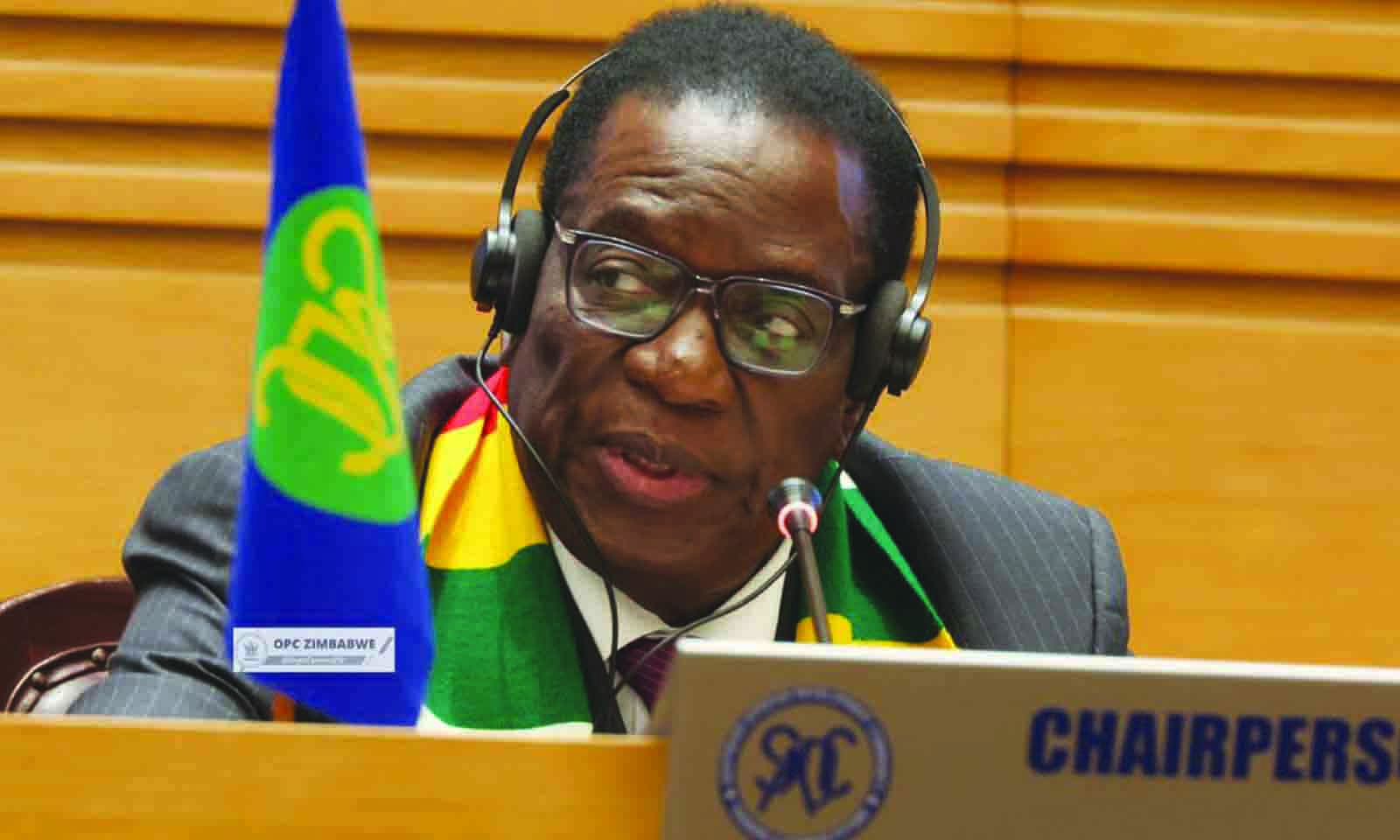
Richard Muponde
Zimpapers Politics Hub
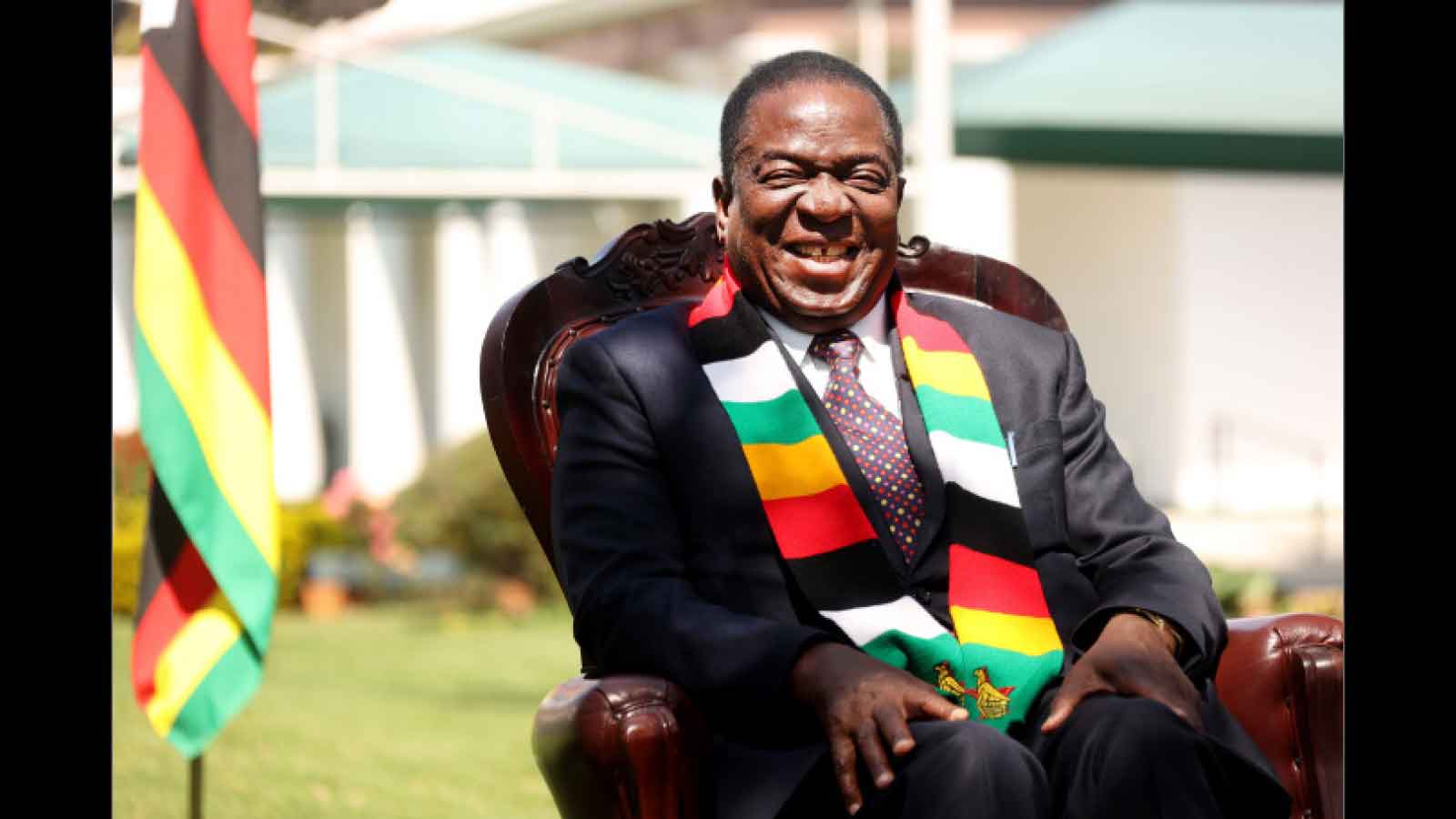
SINCE assuming the Chairmanship of SADC at the 44th Summit in Harare in August last year, President Mnangagwa has consistently amplified the region’s voice across the region, content and beyond, showcasing the bloc’s unity and strategic priorities.
His tenure as Chairman has seen him preside over critical gatherings, from environmental summits to extraordinary security sessions, cementing his role as a staunch Statesman and advocate for a people-centred SADC region and the continent.
One of the highlights of his chairmanship came on March 13, 2025, when President Mnangagwa convened and opened a virtual Extraordinary SADC Summit to address the escalating security crisis in eastern Democratic Republic of Congo (DRC).
In his remarks, he stressed that instability in the DRC posed risks extending far beyond its borders and called for enhanced collaboration to restore peace and protect civilian populations.
His leadership was instrumental in the collective decision to withdraw SADC (SAMIDRC) troops, while remaining strategically engaged through monitoring and diplomatic coordination.
His insistence on African solutions for African challenges reflected not only Zimbabwe’s national position, but a bold, coherent SADC vision.
In another significant development, on May 23, 2025, President Mnangagwa presided over the SADC Transfrontier Conservation Areas (TFCA) Summit in Harare. His opening remarks underscored the importance of biodiversity, sustainable development and eco-tourism as tools for integration, not only of ecosystems, but also of economies and communities across Southern Africa.
He called on regional leaders to preserve natural heritage not as isolated nations, but as a shared SADC responsibility. The summit culminated in renewed commitments to support wildlife corridors, anti-poaching mechanisms and community engagement, anchored by President Mnangagwa’s strong belief in placing people at the centre of environmental governance.
Beyond these regional engagements, President Mnangagwa also co-chaired the historic Joint EAC–SADC Summit on August 1, held in Nairobi meant to streamline efforts around the peace process in the DRC.
The summit endorsed the creation of a unified regional peace framework under African oversight, a critical milestone in regional diplomacy. President Mnangagwa emphasised that cooperation among African blocs was vital for a stable continent and stressed that military intervention must always be accompanied by dialogue and reconstruction.
Additionally, in December 2024, President Mnangagwa visited the SADC Secretariat headquarters in Gaborone alongside Botswana’s President Duma Boko to officially receive the building that now serves as the institutional stronghold of the bloc. During the visit, he emphasised the need to accelerate regional integration, boost intra-regional trade and leverage technology and innovation to drive economic growth.
He also used the platform to reiterate the urgency of peace restoration efforts in eastern DRC through the continued presence of the SAMIDRC mechanism and diplomatic monitoring under the Office of the SADC Chairperson.
Through all these engagements, President Mnangagwa consistently infused his signature philosophy of “Nyika Inovakwa neVene Vayo” (a country is built by its own people.) While addressing biodiversity at the TFCA Summit, he framed conservation and development as community-driven imperatives.
In security forums, he reiterated that regional peace must be secured by Africans, for Africans. The philosophy resonated widely in regional circles, with several SADC leaders referencing it in local policy debates. The message of empowerment and self-reliance rippled beyond the region, contributing to a growing wave of African-centred development rhetoric globally.
An authentic example of his impactful leadership occurred during the March 2025 Extraordinary Summit. With calm and resolve, he guided SADC towards a balanced, dignified withdrawal of troops from eastern DRC, while affirming the importance of continued support to Kinshasa’s stabilisation agenda.
This demonstrated not only President Mnangagwa’s diplomatic skill, but his deep commitment to pragmatic, regionally owned solutions to conflict.
The decision was later praised by African union officials as a model of responsible exit and continued engagement.
President Mnangagwa’s ability to bridge Zimbabwe’s national experiences with regional imperatives has set him apart. His peers in SADC have much to learn from his tenure, from navigating complex multilateral processes to presenting coherent regional positions that reflect shared African values.
For upcoming SADC leaders, including his successor, President Andry Rajoelina of Madagascar, President Mnangagwa’s term offers a practical blueprint, a focus on unity, staying clear-eyed on development goals and engaging the world not as fragmented states, but as a collective, ambitious African voice.
His diplomatic tone has also opened new doors for regional economies. During various bilateral side-lines of the TFCA Summit and other AU conventions, he engaged global partners on investment in renewable energy, agricultural resilience and digital infrastructure, areas critical to the region’s modernisation agenda. This practical economic diplomacy positioned SADC not merely as a bloc seeking assistance, but as a viable partner for global business.
For Zimbabweans, President Mnangagwa’s outward projection of “Nyika Inovakwa neVene Vayo” provides a timely reminder that development begins at home. His leadership on regional platforms has become a mirror for introspection.
If his message can inspire continental leaders, it must inspire Zimbabweans to own their development, build their communities and rally behind national projects. Internationally, nations such as Rwanda, Indonesia, and Brazil have adopted similar people-first philosophies since 2024, showing how this grassroots ethos is gaining traction as a global development strategy.
As he prepares to hand over the SADC Chairmanship later this month to President Rajoelina, it is clear that President Mnangagwa leaves a legacy of visionary leadership, diplomacy and transformational thinking. He has raised the profile of SADC and laid the groundwork for greater regional solidarity in the face of global challenges.
His impact extends beyond policy declarations; it lies in his practical efforts to secure peace, mobilise investment, and galvanise regional pride.
President Mnangagwa will be remembered not just as the Chairman of SADC, but as a statesman with the heart of the region and Africa.
His tenure demonstrated that African leadership can be strategic, resilient and globally relevant.
In his speeches, in his bilateral meetings and in his unwavering belief in the power of Africans to build their own future, he has planted seeds of unity and transformation. The baton may soon pass to Madagascar, but the wisdom and example of President Mnangagwa will remain a compass for SADC’s journey toward peace, prosperity and self-determination.