Chronicle Editor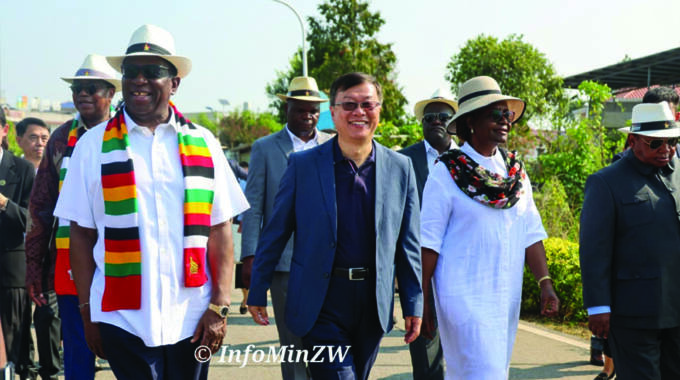
Marshall Ndlela, [email protected]
IN a bid to find practical solutions to Zimbabwe’s struggling rural economies, President Mnangagwa recently embarked on a visit to China, focusing specifically on their rural areas economies.
The visit came at a time when rural economies are being recognised globally as major drivers of economic growth.
China serves as a prime example of how rural economies can contribute significantly to a nation’s economic development. The industrialisation of China has been supported by the mass production of components in their rural areas, supplying both local and foreign manufacturers. These rural economies have played an integral role in establishing Chinese companies that are listed on major stock exchanges, including Nasdaq and several others.
China boasts of an impressive 256 companies listed on US stock exchanges with a combined net capitalisation value of approximately US$700 billion.

President Mnangagwa’s decision to visit the rural industrial factories of China during his participation at the Forum on China-Africa Co-operation (Focac) conference confirms his dedication to learning from successful rural economies and applying those lessons to Zimbabwe’s situation.
As a Chinese-trained liberator, the President resonates with the rich rural economies in China, which have mitigated urban migration, reduced unemployment and addressed rural poverty.
Zimbabwe’s rural economies also hold immense potential for economic growth. These regions are abundant with natural plantations, trees, herbs, fruits and wildlife. By exploring and studying these resources, Zimbabwe can unlock opportunities in the production of medicines, natural herbs, processed natural juices, wines, whiskey and general food products. This will not only cater for the resilient diasporan Zimbabweans but also attract foreign customers. Rural economies offer guaranteed domestic tourism potential. As Zimbabweans visit their own country during holidays such as Easter, Christmas and other festive occasions, the rural areas become prime destinations. Enhancing infrastructure and supporting local tourism initiatives can boost economic activities in these regions thereby creating job opportunities and stimulating growth.
President Mnangagwa’s visit to China demonstrated his direct and deep understanding of what Zimbabwe needs to implement at home. By aligning the economy with Vision 2030, Zimbabwe can replicate China’s rural economy success story and create a sustainable framework for equitable economic development.
Examples from other countries further demonstrate the immense impact rural economies can have on overall economic growth. India’s rural sector, for instance, contributes significantly to the Gross Domestic Product through agriculture, agri-processing and cottage industries, which support millions of livelihoods.
Brazil’s rural economies successfully drive their agricultural exports, ensuring food security and economic stability.
In light of these examples, it becomes evident that focusing on the development and empowerment of rural economies can lead to remarkable economic progress. By implementing policies that support local industries, encourage entrepreneurship and provide infrastructure and technological support, Zimbabwe can harness the potential of its rural areas. Furthermore, strong leadership and targeted investments are essential to ensure the sustainable growth of rural economies.
President Mnangagwa’s visit to China’s rural economies serves as an inspiration and a strategic opportunity for Zimbabwe. By adopting similar approaches and investing in the development of rural areas, Zimbabwe can unlock its economic potential, reduce unemployment and improve living standards of its people. It is through these concerted efforts that the nation can achieve its goals and fulfil the vision of a prosperous Zimbabwe by 2030.
l Marshall Rufura Ndlela is an academic and London trained financial expert. He can be contacted at [email protected]



 Online Reporter