Online Reporter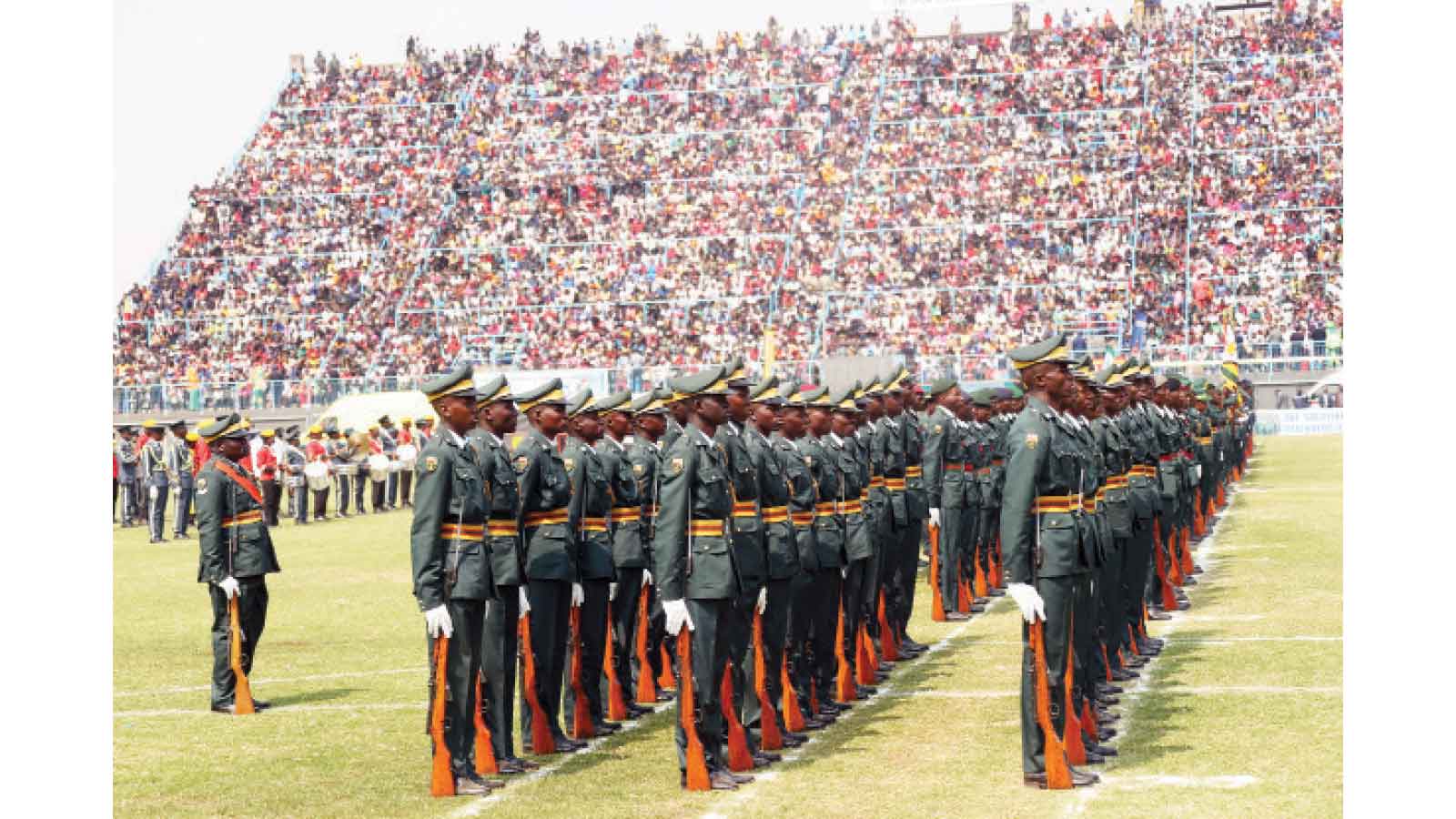
Africa Moyo, [email protected]
PRESIDENT Mnangagwa has challenged the Zimbabwe Defence Forces to move beyond food production on its institutional farms and venture into agro-processing and the export of high-value agricultural products as it broadens its contribution to national development.
The President said this while addressing thousands of people who converged at Rufaro Stadium in Harare for the 46th Zimbabwe Defence Forces Day commemorations on Tuesday.
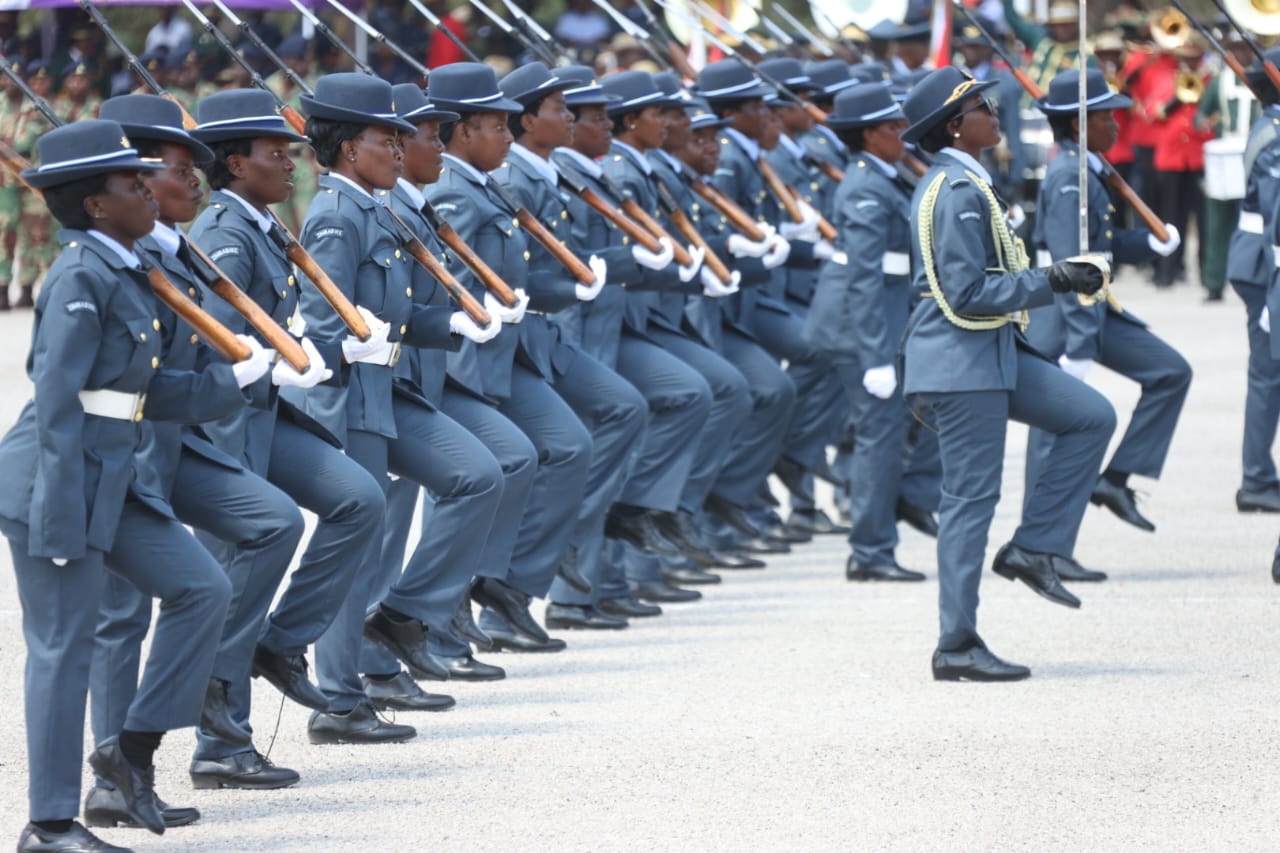 The celebrations ran under the theme, “Zimbabwe Defence Forces: Guaranteeing peace and stability for the attainment of Vision 2030.”
President Mnangagwa said the ZDF’s agricultural activities were contributing to national food security and sovereignty, but there was scope to derive greater economic value from increased production by developing downstream industries and targeting export markets.
“. . . I congratulate the ZDF for the role it continues to play towards guaranteeing national food security and sovereignty through the utilisation of its institutional farms,” he said.
“With increased capacity and output, I call upon the Forces to also establish agro-processing ventures as well as the export of high-value agro-products.”
The call is in line with the Government’s broader thrust of increasing value addition and beneficiation across productive sectors as the country pursues its Vision 2030 objective of becoming a prosperous and empowered upper-middle-income society.
Agriculture remains a major pillar of the country’s economic transformation agenda, with the Government seeking to increase productivity, strengthen value chains and expand opportunities for agro-industrialisation.
President Mnangagwa said the ZDF’s contribution to national development should also be viewed within the context of its constitutional mandate and its role as a people’s army.
“The ZANU PF Government is people-centred; likewise, the sacred characteristic of the Zimbabwe Defence Forces as a People’s Army should never be tainted,” he said.
The President also said the people remained at the centre of Government programmes and expressed confidence that the ZDF understood the importance of supporting the country’s socio-economic development trajectory.
“The people of our great motherland, Zimbabwe, remain at the core of all our activities. I am confident in the clarity of the ZDF with regard to my Government’s pursuance of Vision 2030 and the need to consolidate the current socio-economic development journey of our beloved motherland, Zimbabwe,” he said.
Beyond agriculture, the President commended the ZDF for strengthening civil-military relations and contributing to community development through the construction of schools and health facilities in different parts of the country.
He cited projects in Rushinga, Buhera, Gokwe, Mutasa North and Harare, as well as medical outreach programmes conducted in partnership with the Ministry of Health and Child Care.
President Mnangagwa said the ZDF had also become an important component of the Government’s Whole-of-Government-and-Society Approach through its participation in border control operations alongside the Zimbabwe Republic Police and other security agencies.
Combined deployments along the country’s borders with South Africa, Botswana, Zambia and Mozambique, he said, had helped enhance public security while facilitating the movement of people and trade.
The President also highlighted the military’s role in disaster management, commending the ZDF for search and rescue operations undertaken in Masvingo and Midlands provinces.
“I applaud the Forces for successfully undertaking search and rescue assignments in Masvingo and Midlands Provinces with precision and tact.
“The ZDF is urged to maintain the professional work which continues to positively impact lives of our people across all communities,” said President Mnangagwa.
Presently, the ZDF is part of rescue efforts underway in Kariba following a ferry disaster in which 44 people died and others remain missing.
President Mnangagwa said Government would continue upgrading early warning systems and strengthening preparedness to mitigate the impact of natural disasters.
He also highlighted progress in the country’s mine-clearance programme, saying the Government remained committed to freeing communities and productive land from landmines planted during the liberation struggle.
Zimbabwe would continue mobilising resources to become a mine-free country in line with its obligations under the Anti-Personnel Mine Ban Treaty, he added.
President Mnangagwa thanked development partners, including the United Nations Development Programme, Norwegian People’s Aid, Hazardous Area Life Support Organisation and Mine Advisory Group, for supporting the country’s demining efforts.
He also commended the ZDF National Mine Clearance Unit for increasing its capacity and knowledge in mine clearance.
On international peace and security, President Mnangagwa reiterated Zimbabwe’s commitment to diplomacy, multilateralism and dialogue, describing the country as “a friend to all and enemy to none”.
He added that the country’s election as a non-permanent member of the United Nations Security Council for the 2027-2028 period was a reflection of the country’s commitment to peace and security.