Online Reporter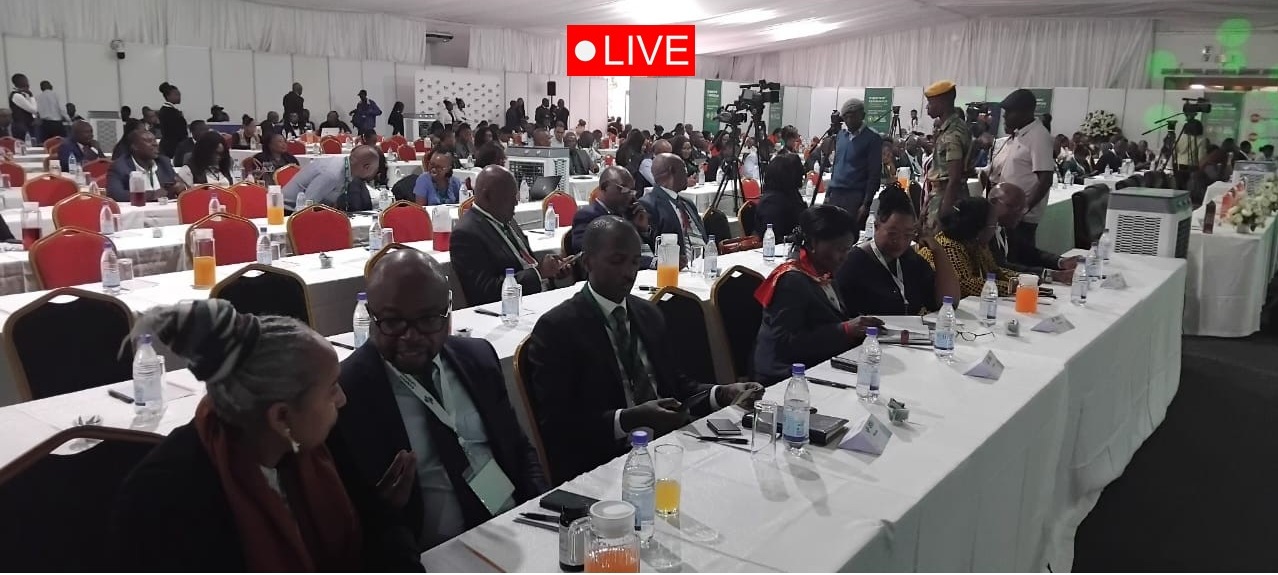
President Mnangagwa is set to officially open the annual ZimTrade’s annual Exporters Conference and Awards here in Bulawayo, signalling Government’s continued commitment to export-led growth and economic transformation.
This year’s edition is running under the theme, “Rooted Locally, Growing Globally,” as the national trade development and promotion agency intensifies efforts to grow Zimbabwe’s export footprint and enhance the competitiveness of local products on the international market.
The high-level conference has drawn exporters, captains of industry, policymakers and development partners, with deliberations expected to focus on strategies to consolidate recent export gains and unlock new markets.
Zimpapers Business Hub reporters, Nqobile Bhebhe, Judith Phiri and Senior Photographer Obey Sibanda are attending the conference and will give us live updates.
Ministers, industry leaders to lead high-level export talks
According to the official programme, the conference will open with welcome remarks from ZimTrade chief executive officer Mr Allan Majuru, who is also expected to present an update on the implementation of resolutions adopted at last year’s gathering. Delegates are keen to hear progress made on commitments aimed at improving export competitiveness, expanding market access and enhancing value addition across sectors.
Industry and Commerce Minister Nqobizitha Mangaliso Ndlovu will then address the conference, outlining Government policy measures designed to strengthen industrial capacity and accelerate value addition. His presentation is expected to focus on boosting domestic production, supporting manufacturers and ensuring Zimbabwean products meet international standards.
Adding a continental perspective to the proceedings, Ecopia founder and chief executive officer Dr Mitslal Kifliyesus Matschie is scheduled to deliver a presentation titled; Positioning Africa’s Heritage Exports in International Markets.
The session will spotlight opportunities for African countries to leverage their unique heritage products and cultural assets to enhance global competitiveness and unlock new export markets.
Minister of Foreign Affairs and International Trade Professor Amon Murwira will also deliver remarks and formally introduce President Mnangagwa, who is expected to deliver the keynote address.
The President’s address is anticipated to set the tone for Zimbabwe’s export agenda heading into 2026, with a focus on consolidating recent gains, promoting diversification and strengthening the integration of trade policy with industrial development and economic diplomacy.
The annual conference and awards ceremony has become a strategic platform for dialogue between exporters and Government, providing an opportunity to align policy, production and market strategies in pursuit of sustainable export-led growth.
ZimTrade conference charts path from local roots to global markets
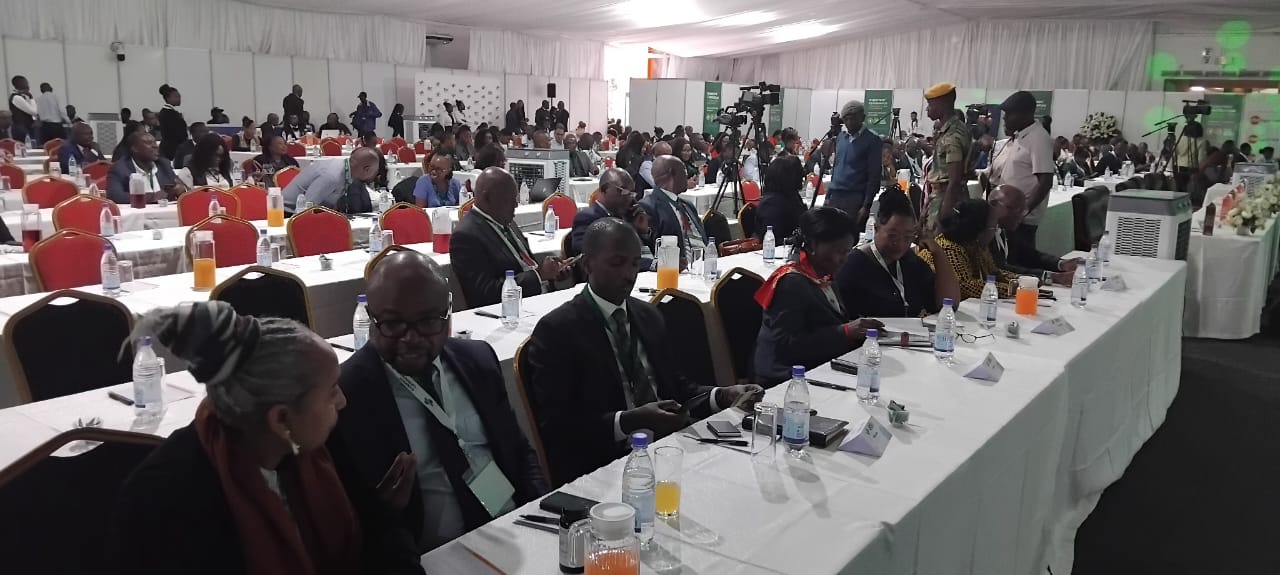
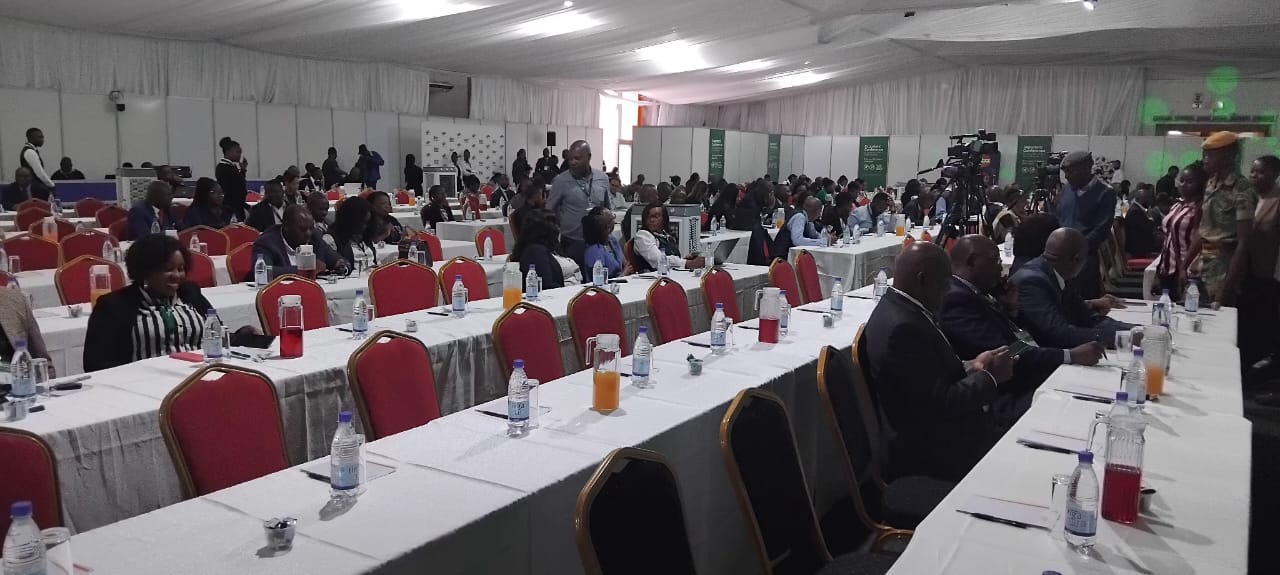
A cross-section of traders, predominantly from the export sector and government officials, have gathered in Bulawayo for the annual ZimTrade Exporters Conference and Awards, a key platform for shaping the country’s trade trajectory.
The pivotal engagement comes at a time when Zimbabwe’s export sector is entering 2026 on a firmer footing, buoyed by sustained policy support, improving production conditions and deliberate Government efforts to align trade, diplomacy and industrial development.
For instance, according to Zimbabwe National Statistics Agency (ZimStat) cumulative export earnings for January to November 2025 reached US$8,57 billion, representing a 27 percent increase from US$6,74 billion recorded over the same period in 2024.
Improved export performance contributed to a significant narrowing of the trade deficit, which declined by 69 percent from US$2,1 billion in 2024 to US$644 million in the period under review.
October 2025 marked a notable milestone, with exports reaching US$1 billion in a single month.
According to Zimtrade, these figures point to growing traction in export performance and provide a platform on which planning for 2026 is proceeding, with attention shifting from recovery towards consolidation, diversification and wider participation across the economy.
The positive momentum is attributed to deliberate policy choices under President Mnangagwa’s Second Republic, which has positioned exports as a central pillar of economic recovery. Focus has been placed on value addition, improved market access and enhancing the competitiveness of local products on the global stage.
“The approach by the Second Republic reflects an understanding that durable growth will be anchored in the country’s capacity to produce for external markets, generate foreign currency and progressively narrow the import-export gap.
“A key component of this strategy has been the integration of economic objectives into foreign policy,” ZimTrade said in its January newsletter.
The conference carries significant economic weight, as exports remain a critical driver of foreign currency generation, industrialisation, job creation and macro-economic stability.
Rising export earnings have also contributed to narrowing the trade deficit, signalling steady progress towards a more balanced and resilient economy.
Beyond recognition of top-performing exporters, the event provides a strategic platform for direct engagement between exporters and national leadership on policies affecting trade and competitiveness.
Industry players are keen to see how deliberations, policy engagements and business-to-business networking sessions will translate into increased export volumes, deeper value addition and sustained growth in Zimbabwe’s trade performance going forward.
President Mnangagwa arrives for ZimTrade Exporters Conference
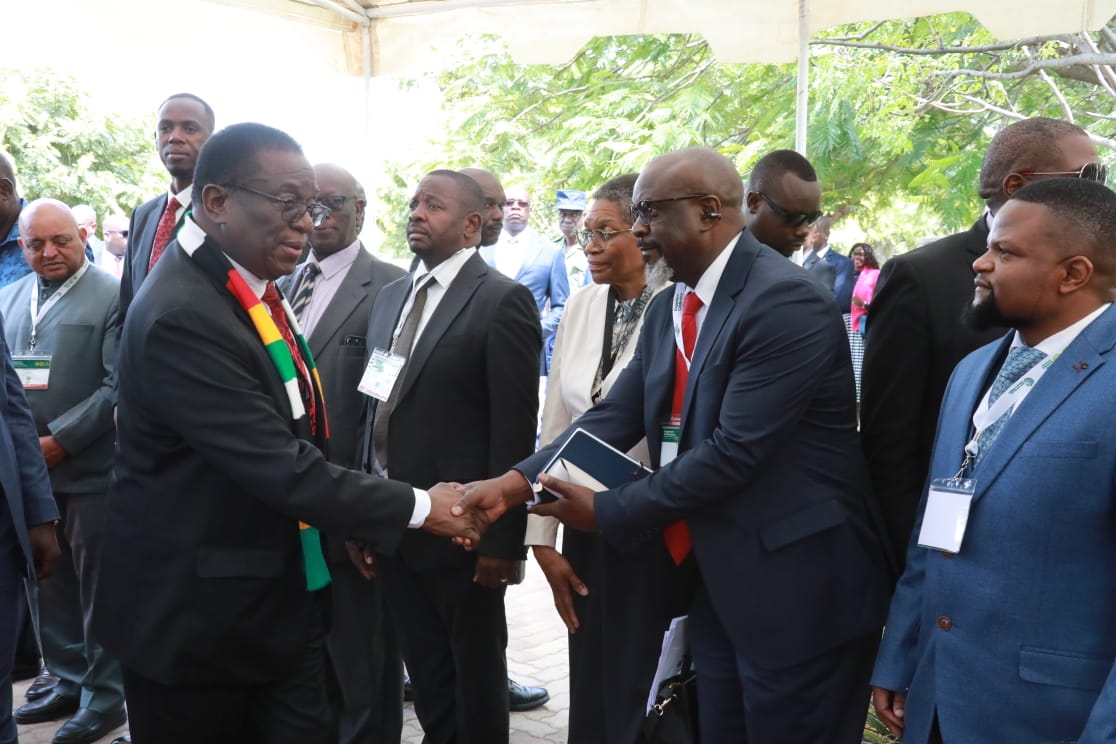
President Mnangagwa has arrived at the venue of ZimTrade’s annual Exporters Conference and Awards here in Bulawayo to preside other the strategic engagement.
He is accompanied by several Government ministers, officials and ZimTrade executives.
This year’s edition is running under the theme, “Rooted Locally, Growing Globally,” as the national trade development and promotion agency intensifies efforts to expand Zimbabwe’s export footprint and enhance the competitiveness of locally produced goods on the international market.
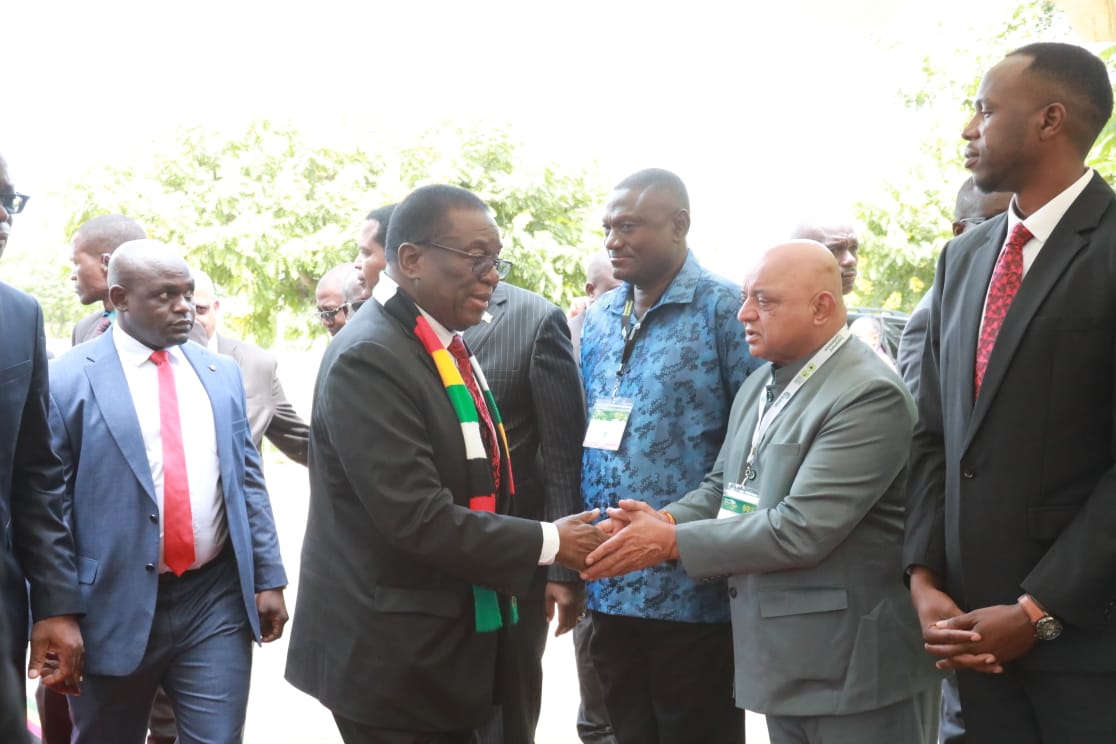
The conference provides a platform for networking, learning and recognition of opportunities designed to enhance profitability and resilience within Zimbabwe’s export sector.
The conference comes at a time when the country is scaling up initiatives aimed at boosting export earnings, diversifying markets and increasing value addition across key sectors of the economy.
Exporters have become a vital cog in the revival of the economy, contributing significantly to increased foreign currency inflows and improved reserves in Zimbabwe.
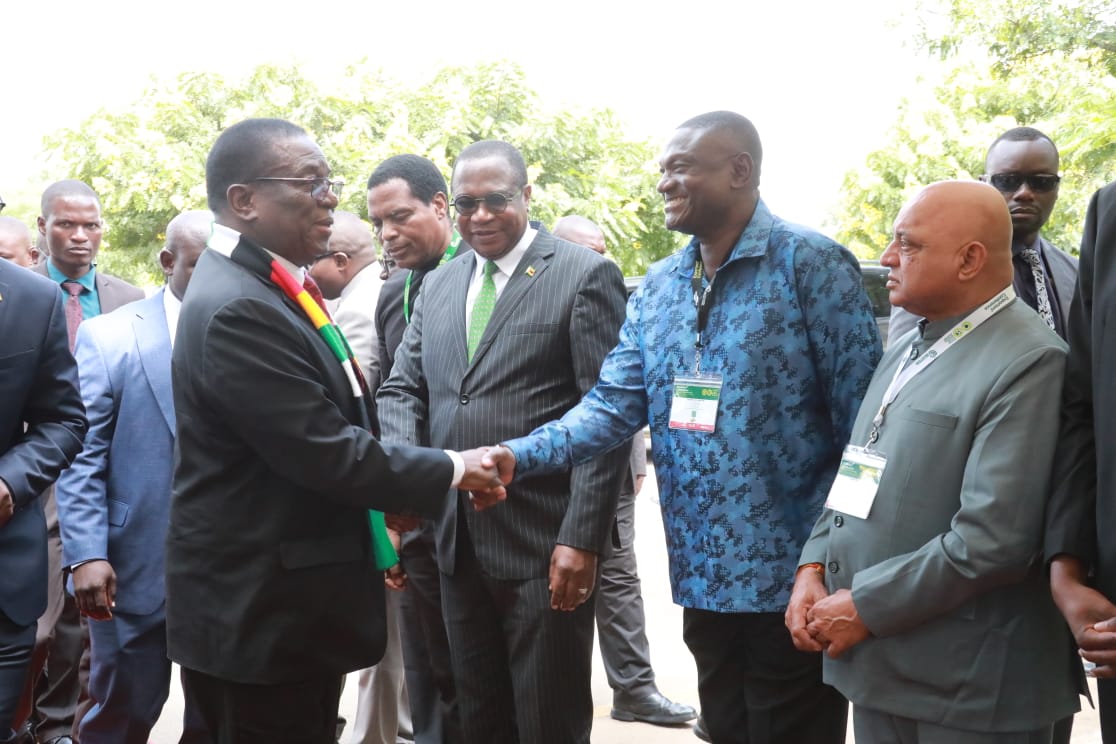
Through expanded production, value addition, and penetration of new markets, the export sector continues to anchor macro-economic stability and industrial development.
Deliberations from this year’s conference are expected to feed into ZimTrade’s ongoing efforts to strengthen Zimbabwe’s export capacity, broaden both product and market diversification, and improve the ease of doing export business.
With exports gaining momentum and global markets opening up under the Second Republic’s engagement and re-engagement thrust, today’s event is set to reaffirm Zimbabwe’s commitment to building a resilient, competitive and inclusive export-driven economy.
Bulawayo recording significant steps in hospitality and exports growth
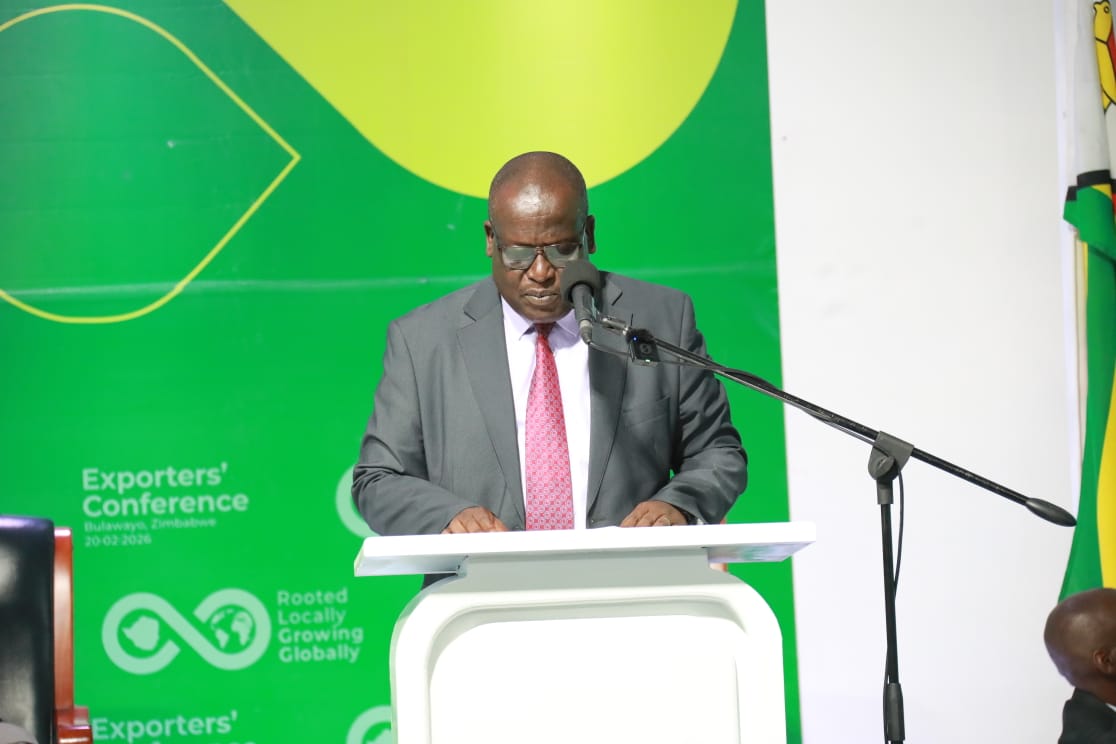
Giving welcome remarks at the ZimTrade Annual Exporters Conference, Bulawayo Minister of State for Provincial Affairs and Devolution, Judith Ncube, represented by Bulawayo Provincial Affairs and Devolution Permanent Secretary Mr Paul Nyoni, she said Bulawayo was a city whose hospitality was growing and its export journey was also recording growth.
She said export success was cooperation of a number of players that include the Government and private sector players with ZimTrade playing a key role in energisinh Zimbabwe’s export growth by improving the competitiveness of local products and services in global markets.
“ZimTrade plays a critical role in driving the National Export Strategy, aiming to increase export earnings through four major focus areas: market information, export development, export promotion, and advocacy.”
The Minister also called on delegates to visit various tourist attractions and locations within the city and also experience various cuisines.
ZimTrade hails export surge as industrialisation gains momentum
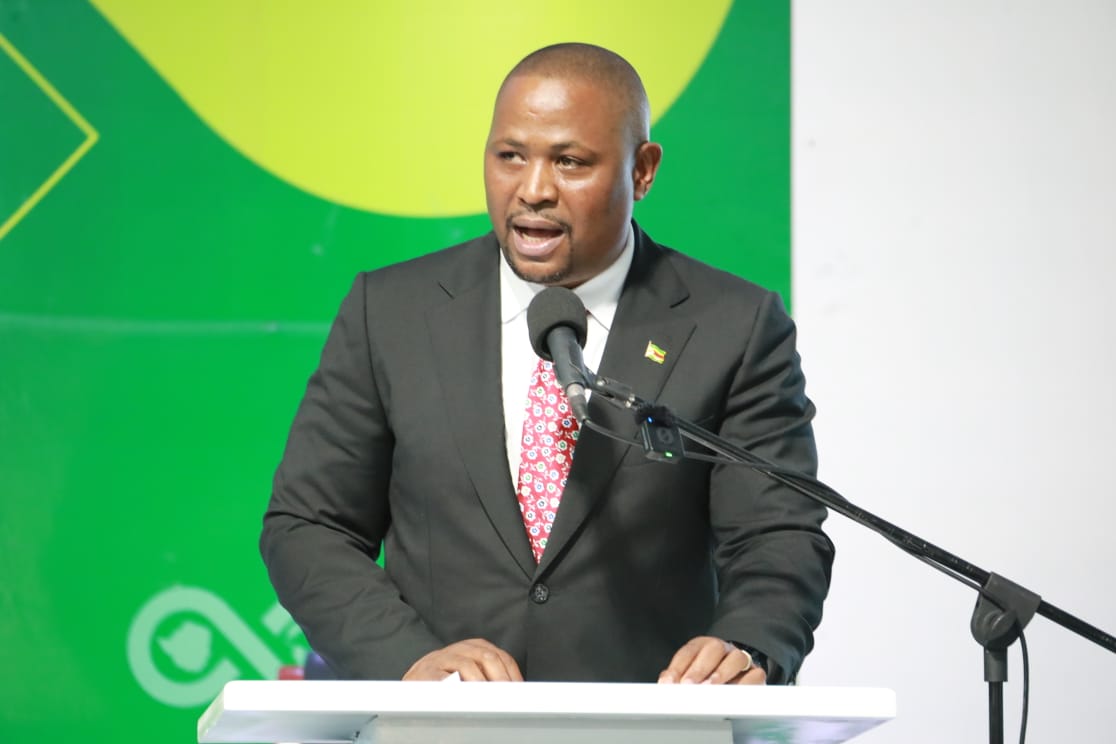
ZIMTRADE chief executive officer Mr Allan Majuru has said the country’s surge in exports reflects a steady movement towards industrialisation through value addition and beneficiation.
Giving his opening remarks at the ZimTrade Exporters Conference in Bulawayo, Mr Majuru said export performance has recorded encouraging growth, underlining improved competitiveness and growing global confidence in Zimbabwean products.
For the period January to December 2025, the country’s exports stood at US$9,71 billion, representing a 30 percent increase from the US$7,43 billion recorded over the same period in 2024, he said.

” While imports increased modestly by 3.7% to US$10,1 billion from US$9,74 billion in 2024, the overall outcome is that our trade deficit narrowed significantly.
“The deficit decreased by 82% to US$404 million compared to US$2,3 billion recorded during the same period in 2024. These figures reflect improved competitiveness and growing confidence in Zimbabwean products.”
Mr Majuru said the growth trajectory was also evident in the performance of value-added exports.
“We are also encouraged that exports of value-added products increased by 30.6%, from US$437 million between January and December 2024 to US$571 million during the same period in 2025.
“This progress reflects the country’s steady movement towards industrialisation through value addition and beneficiation.”
He attributed the gains to deliberate national policy interventions, improved institutional coordination and sustained economic diplomacy spearheaded by the Ministry of Foreign Affairs and International Trade under the engagement and re-engagement agenda.
“This work continues to strengthen commercial relations and deepen trust in Zimbabwe as a reliable trading partner,” he noted.
Reflecting on the theme, “Rooted Locally, Growing Globally,” Mr Majuru said it serves as a reminder that Zimbabwe’s strength lies in its local production capacity and the ability to competitively position its products on regional and international markets.
“At ZimTrade, we view this theme as a guiding framework for strengthening national exports, building competitive Zimbabwean brands, and expanding our presence in regional and global value chains.
” This approach is aligned with the National Development Strategy 2 (2026–2030), which places export competitiveness, value addition, and beneficiation at the centre of Zimbabwe’s structural transformation agenda,” he said.
He reiterated that Zimbabwe’s export performance has recorded encouraging growth, signalling firm progress towards a more diversified and industrialised economy.
Local industry now fills 80% of shelves, Minister tells Export Conference
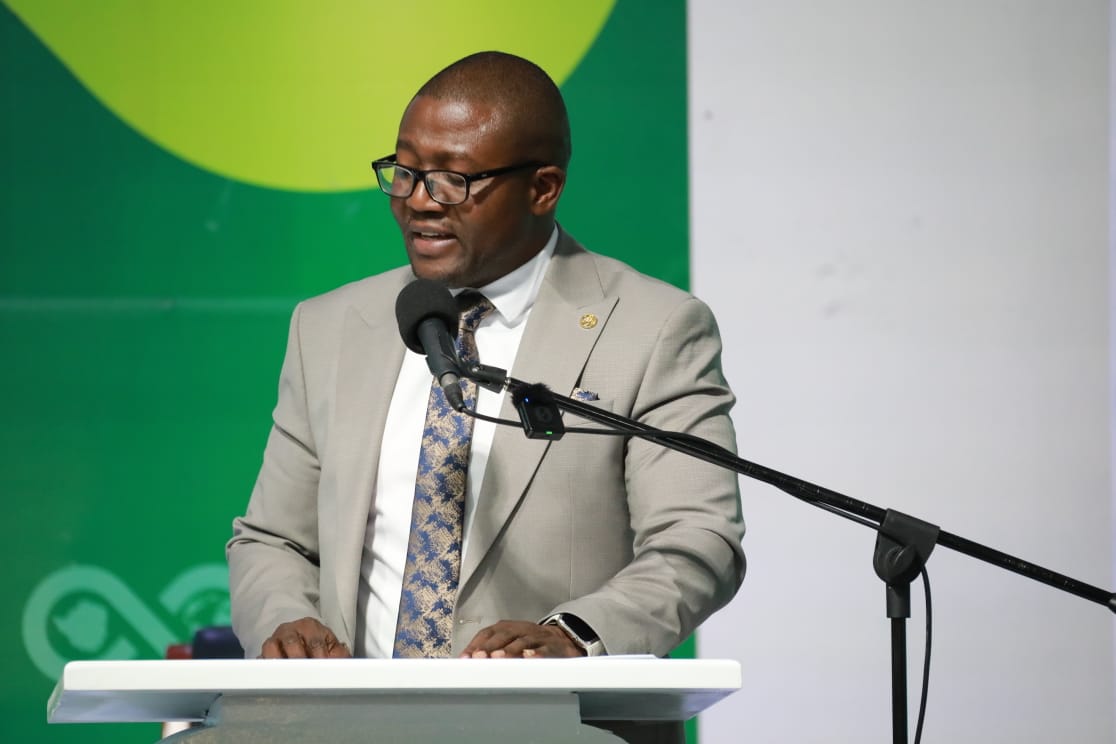
Speaking at the ZimTrade Annual Exporters Conference in Bulawayo, Minister of Industry and Commerce, Nqobizitha Mangaliso Ndlovu said such platforms provide opportunities for discussions and actions for the country’s exports.
“The outcomes of this conference will contribute to the prosperity of Zimbabwe. Delegates we welcome you this morning to the ZimTrade annual Exporters Conference 2026. This platform is more than a meeting, it is a strategic engine for Zimbabwe’s, export development agenda.”
He said the theme: “Rooted Locally, Growing Globally,” captures Zimbabwe’s national aspiration to build globally competitive industries.
Minister Ndlovu said this was anchored in the market research, natural resources, skilled human capital and innovative skills.

He called on all stakeholders to manage local resources and transform them into global opportunities.
The Minister said: “This conference therefore serves as a testament to the synergies between the Second Republic’s policy interventions and the resilience building of entrepreneurs.”
He said manufacturing export figures were growing and they tell a story of a sector that is moving up the value chain.
Minister Ndlovu said in 2018 manufacturing exports stood at approximately US$310 million with locally produced goods occupying just about 53 percent of the retail shelf space and the capacity utilisation of around 48 percent.
“Through a number of key Government interventions, manufactured exports rose to US$437 million in 2024 and further to US$571 million in 2025, representing a 41 percent and 30.6 percenr increase respectively. Capacity utilisation rose to about 57 percent in 2025. While manufactured exports still account for a modest share of total exports, this growth supports the Second Republic’s industrialisation thrust, which seeks to shift the country from exporting raw commodities to more processed and
manufactured products.
“Today, approximately 80 percent of the goods on our shelves are produced locally. Our roots are deep, and our branches are finally reaching across borders. The Ministry of Industry and Commerce is not resting on these milestones,” he said.
“We are accelerating the implementation of our economic blueprint, the NDS2 which seeks to enhance value addition and structural transformation to reverse the trends of exporting raw material commodities and to be augmented by our Zimbabwe National Industrial Development Policy 2 which will be launched soon. Our target is to increase manufactured exports to US$1 billion by 2027, creating new jobs in the process.
Minister Ndlovu said they were also implementing robust measures to ensure the manufacturing and commercial sectors become the bedrock of our foreign currency earnings.
Zimbabwe’s exporters positioned as vanguard of economic diplomacy- Prof Murwira
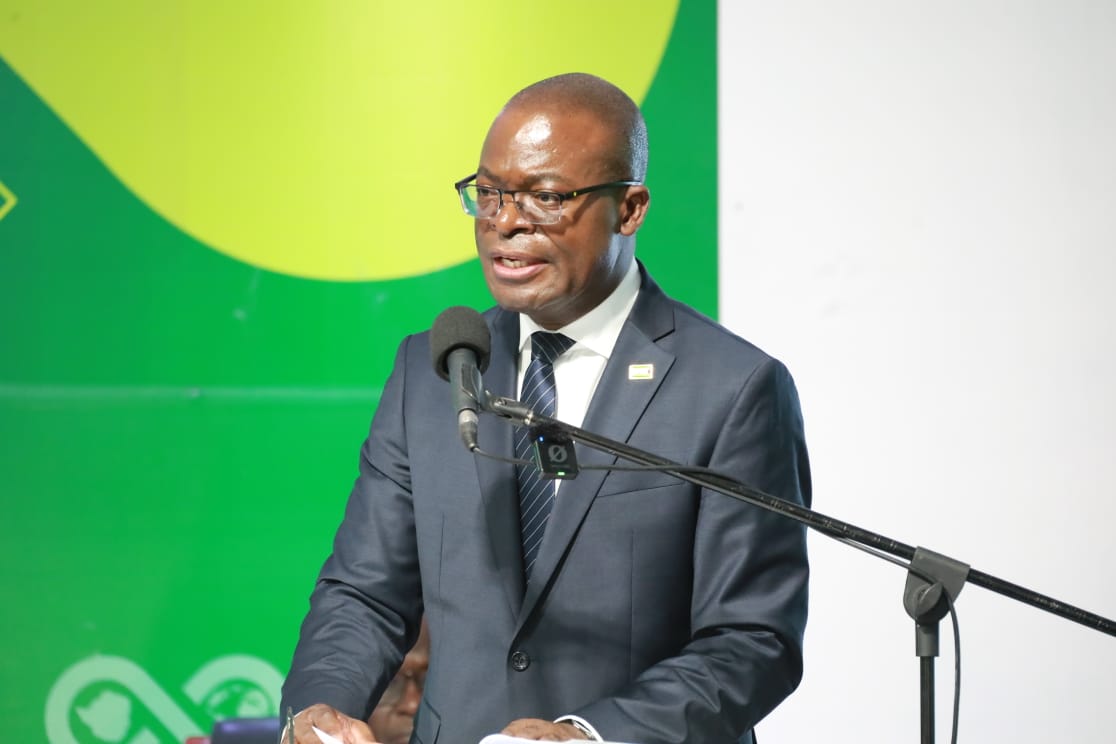
Speaking at the ZimTrade Annual Exporters Conference in Bulawayo and introducing the Guests of Honour President Mnangagwa, Minister of Foreign Affairs and International Trade, Professor Amon Murwira said consistent with the aspirations of the people of Zimbabwe, thevoverarching national objective was to achieve a sustainable, just, free, and democratic society in which every citizen enjoys a prosperous, happy, and fulfilling life.
“This long-term vision is the guiding framework for all national development strategies implemented at home and projected abroad. Prosperity and happiness are the fruits of a productive nation that satisfies its human needs through innovation and hard work,” he said.
“Trade serves as the lifeblood of modern prosperity, acting as the vital mechanism that converts Zimbabwe’s innovation, human capital, and unique heritage into national wealth. By recognizing that trade promotion is the most tangible expression of foreign policy, the nation has positioned its exporters as the vanguard of economic diplomacy, ensuring that they possess the innovative edge required to secure a competitive presence in global markets.”
The Minister said this integration represents a methodical movement from the “policy-induced hunger” of poverty toward mutual prosperity, where development is defined by the transition from deficiency to the fulfillment of human needs.
He said ultimately, this configuration ensures that national objectives are met with the necessary capability, transforming foreign policy into a strategic engine for sustained economic growth and global shelf space.
Minister Murwira said Zimbabwe’s foreign policy, anchored in section 12 of the Constitution and guided by the principle that national interests encompassing human security, economic interest, and social cohesion must be protected, serves as a strategic instrument to drive commercial growth and industrial development.
He said this was domestic policy projected outward, operating under key doctrines such as “Zimbabwe is open for business,” being “a friend to all and an enemy to none,” and ensuring that “no one and no place is left behind”.
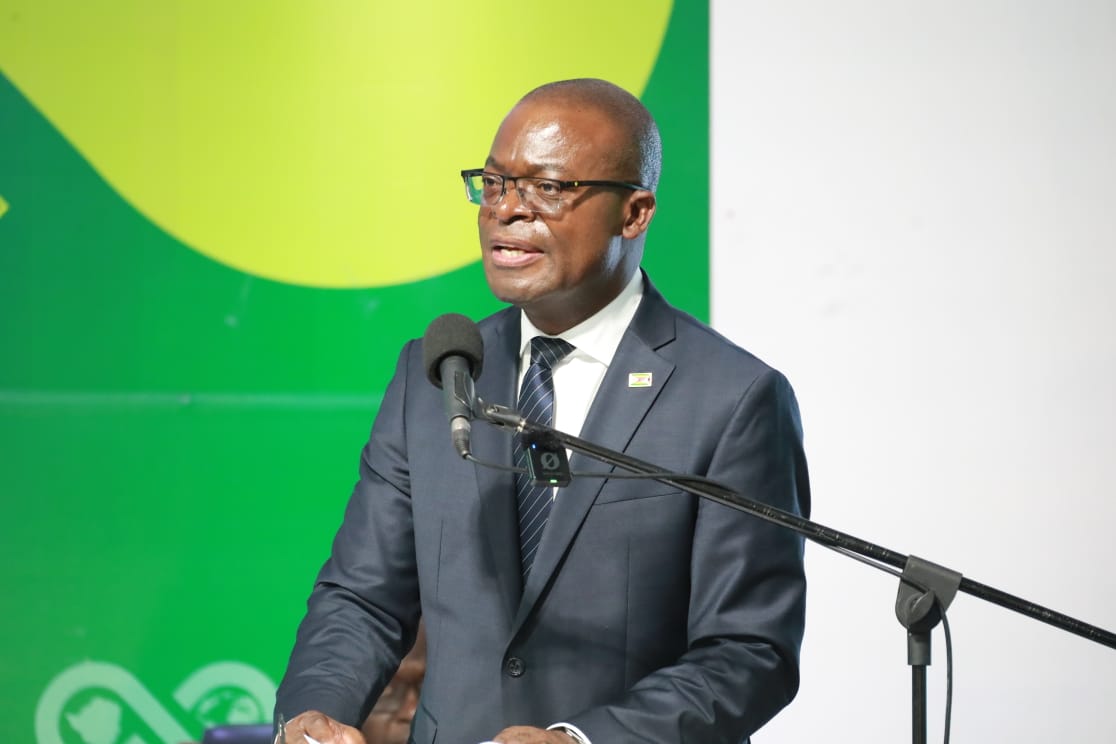
“The core of this diplomatic approach is the exchange of goods and services, where diplomats act as negotiators rather than beggars to secure the partnerships, technologies, and investments necessary to eliminate poverty and achieve prosperity through trade based on equality,” he said.
“Ultimately, this framework reinforces the doctrine that a country is built by its own people while maintaining that Zimbabwe shall forever remain sovereign and independent.”
The Minister said their approach to international trade was grounded in a simple, scientific reality; production must precede export and that export market drive production.
While, through economic diplomacy, they were reconfiguring the diplomatic missions abroad into economic and commercial promotion hubs tasked with facilitating trade expansion, investment mobilization, and technology transfer.
He said in the competitive global marketplace, they recognize that knowledge is the new currency of sovereignty.
“Zimbabwe is transitioning from a resource-based economy to a knowledge-based, innovation-driven economy. Through Heritage-Based Education 5.0, we are transforming our universities into production hubs and leveraging our diplomacy to secure technology partnerships that translate local research into exportable products.”
President hails Bulawayo’s industrial resurgence
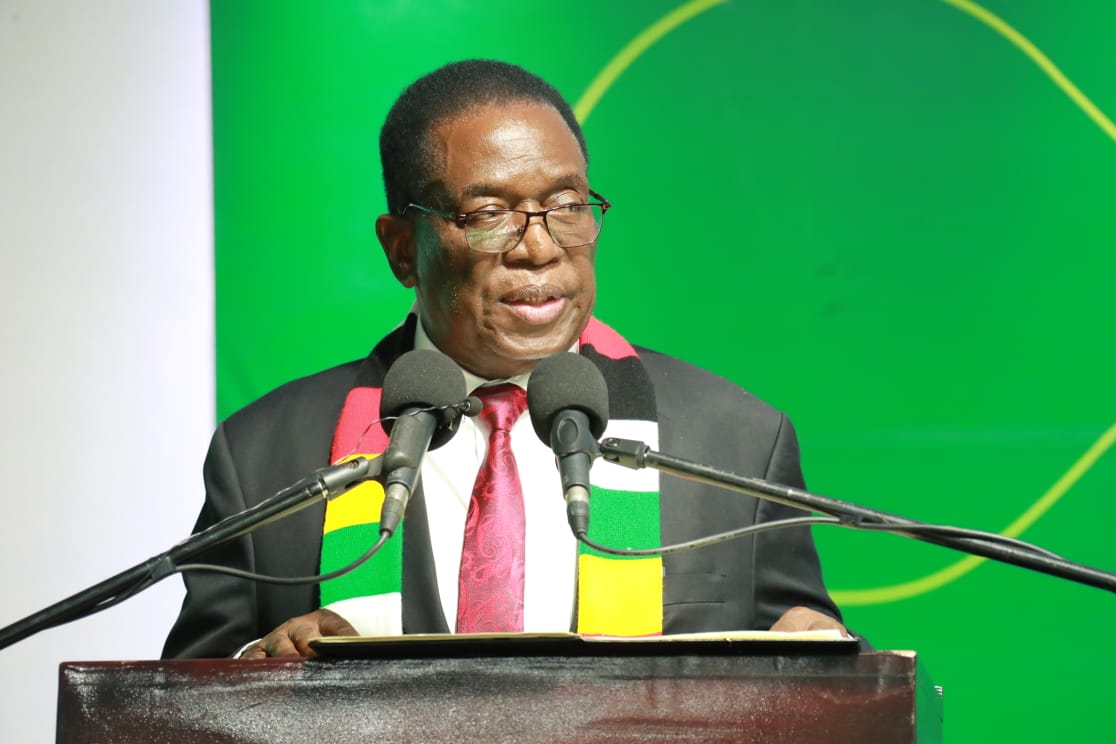
President Mnangagwa has commended Bulawayo for its rich industrial heritage, describing the city as a befitting host for the ZimTrade Annual Exporters Conference.
Delivering his key note address at the ongoing conference, the President said the ZimTrade Annual Exporters’ Conference remains one of the focal events on the national business and trade development calendar.
“The rich industrial heritage, entrepreneurial resilience, along with the skilled workforce associated with the city of Bulawayo makes this venue a befitting setting,” he said.
Once weighed down by years of deindustrialisation, the country’s second-largest city is now experiencing a steady industrial rebound under the Second Republic led by President Mnangagwa.
The resurgence is evident across key sectors such as textiles, agro-processing, leather and pharmaceuticals, where production capacity and investor confidence are on the rise.
Bulawayo’s industries are witnessing renewed momentum, buoyed by significant capital injections from major corporates including Treger Group, Edgars Stores’ Carousel Manufacturing, Arenel and Innscor Africa Limited, among others.
The city’s vibrant small-to-medium enterprises sector is also playing a pivotal role, complementing large-scale investments and driving inclusive industrial growth.
On its part, Government has rolled out a raft of ease-of-doing-business reforms aimed at attracting both domestic and foreign investment. These include facilitating access to financing windows and creating a conducive regulatory environment to accelerate industrial recovery.
The interventions are designed to restore Bulawayo’s status as Zimbabwe’s industrial hub, anchoring its contribution to national export growth and economic transformation.