Online Reporter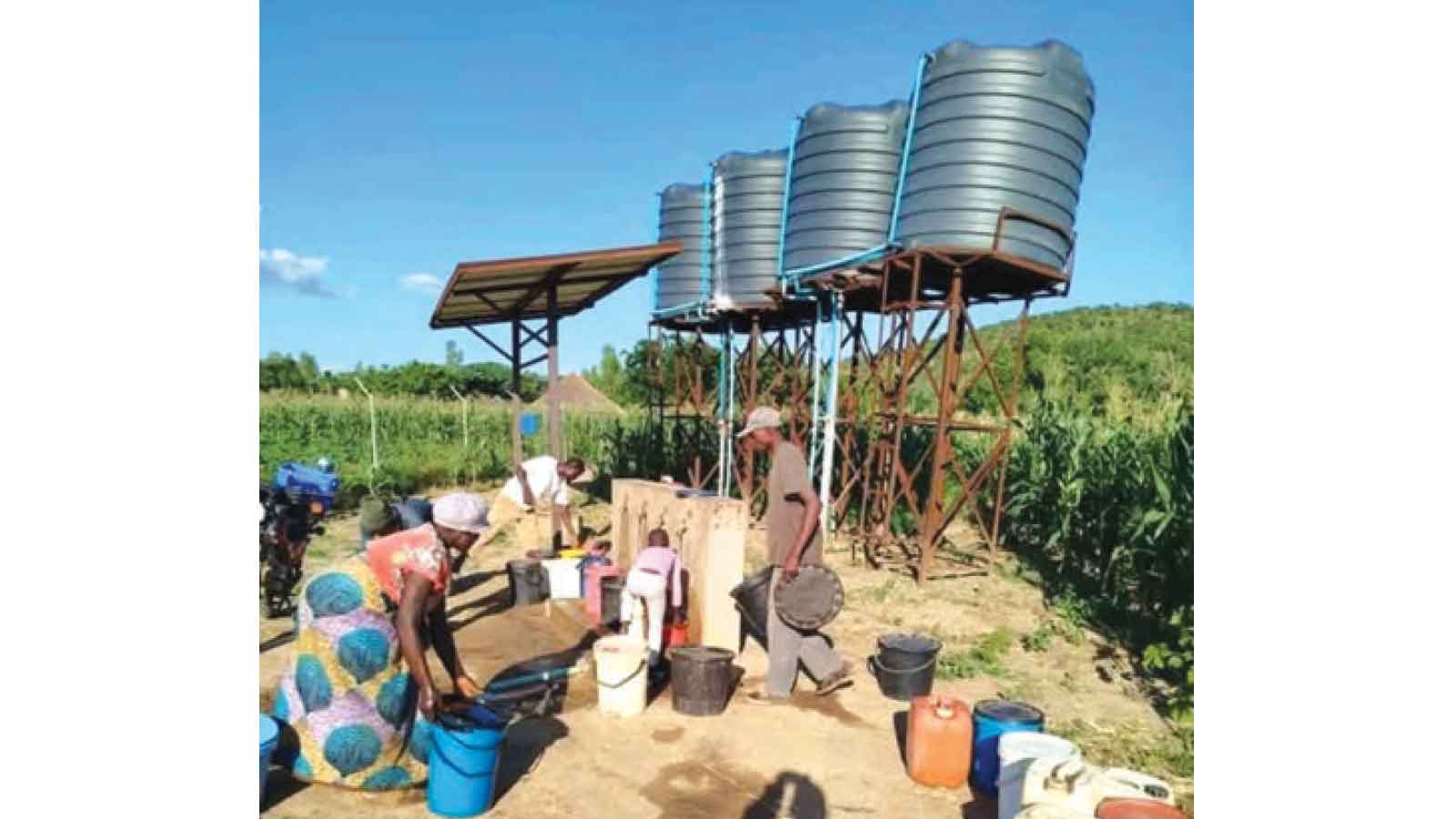
Noah Pito RECENTLY in HURUNGWE
At least 30 families from two villages under Chief Dendera in Hurungwe, Mashonaland West Province, are in a cheerful mood, thanks to the Presidential Borehole Drilling and Horticultural Scheme for raising a bounty of goodies for the occasion.
A visit to Chigumbura Village under Chief Dendera in Magunje recently revealed that the presidential scheme that dawned in the area in 2023 is bearing fruit, with 36 mothers now running a prosperous internal savings and lending system, also known as mukando, that has since breathed life into the community.
Mrs Ethel Mudanga, the chairperson of Chigumbura Horticultural Project, could not suppress her joy as she narrated how a solarised borehole and four 5 000-litre tanks all sited on a hectare plot have improved the welfare of many families in her area, particularly concerning food security and cash for daily needs.
“On behalf of my colleagues, let me thank President Mnangagwa for this life-changing project that has taken us this far. Soon after the project had taken off in 2024, we organised ourselves as women from Chigumbura and Maponga villages,” she said.
From the incomes they realised after selling their vegetables, the women managed to set up a savings club where they contributed regularly, with one member getting the lump sum at each cycle.
“While men have title to the project as well, women are more involved in the daily routines,” Mrs Mudanga said.
Through the club, they raised money to celebrate Christmas in style last year. Unlike before, in addition to the gains from mukando, the members are also accessing potable water.
“Although we raise small incomes from our sales, every single dollar that comes our way makes a big difference,” Mrs Mudanga said. “We can now buy exercise books and pay school fees for our children without any hassles.”
Their major advantage has been that their cash cow is situated along the road to Gache-Gache Fishing Camp in Kariba.
“Most of our customers include travellers towards that direction, who stop over here for vegetables,” said Mrs Mudanga.
“Our area’s agriculture business advisory officer, Mr Mugwinyi, is always by our side as he keeps on advising us on the best varieties of crops and safe methods to use against diseases and pests,” she added.
“We are happy with this life-changing project. We are specialising in leafy vegetables, green maize, butternuts, okra and carrots.”
Mrs Kuchineyi Maponga, another beneficiary at the scheme, weighed in, “Previously, families in this area depended on vegetables from an irrigation scheme at Magunje Dam, about 10 kilometres away.
In the past, parents would trek to the area to work in exchange for vegetables to feed their families.
“We had to work all day in exchange for simple stuff like sweet potato seed. This is now a thing of the past. Lack of water during those days restricted our capacity to make money and improve food security in our area,” Mrs Maponga said.
The village head, Mafaindi Maponga, said the project came as a blessing since the area is not naturally endowed with any perennial rivers or streams to enable villagers to establish vegetable gardens.
He added that at the moment plans were underway to venture into fish farming using the abundant water supplies now available, while broiler and goat rearing ventures had already commenced.
“We are now relieved of walking to Magunje Irrigation Scheme to work for bundles of vegetables,” he said.
“As beneficiaries of the Presidential scheme, we are grateful to President Mnangagwa for this project. We celebrated Christmas in style, our livestock have access to clean water, and we are now food secure.”
The village head stressed that the 2024 to 2025 period was a season of plenty.
“We are now enjoying proceeds from our own projects due to the abundant water, and soon we will be selling green mealies, which will boost family coffers,” he said.
While no serious operational challenges are encountered by beneficiaries at the moment, Sabhuku Maponga said some outsiders were at times disturbing their watering routines when they overwhelm the solar-powered infrastructure searching for water, despite having working manual boreholes in their respective villages.
“Sometimes pressure is exerted on us as people come from other villages in search of tap water,” he said. So, when this happens, sometimes we fail to water our crops as scheduled.”
The Presidential Borehole Drilling and Horticultural Scheme was launched in 2021 to bring clean water to about 11 million rural people for drinking, livestock and irrigation.
The scheme mainly focuses on creating employment opportunities, improving food security, reducing poverty and enhancing livelihoods, especially for women and youths in rural areas.
Apart from horticulture, the scheme focuses on establishing fish ponds and orchards as sources of empowering rural communities.
Chigumbura Horticultural Project was established in 2024 following the drilling of the borehole in 2023.