Online Reporter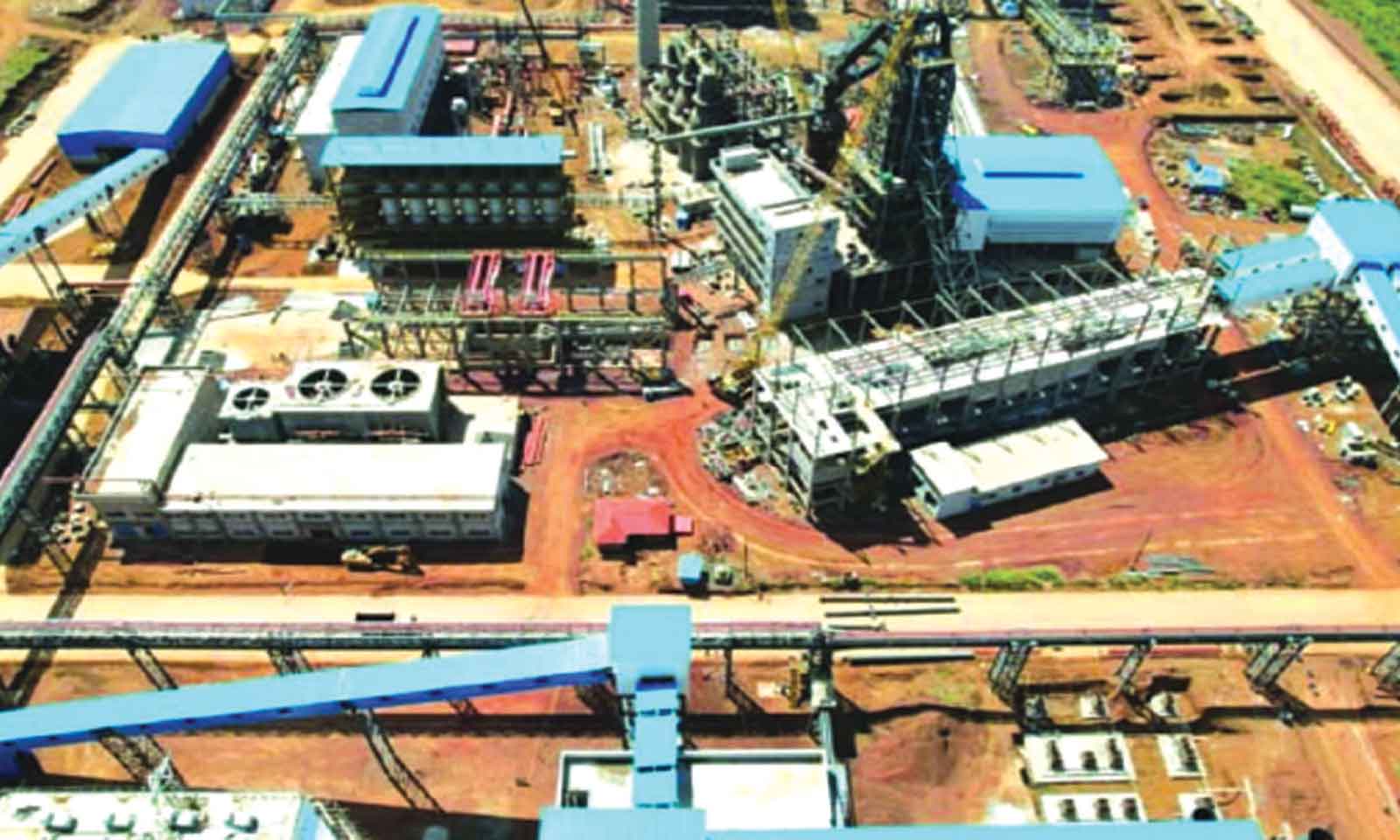
Ambassador Christopher Mutsvangwa
PRESIDENT Mnangagwa and his Second Republic have stamped a bold imprint across a broad swathe of socio-economic endeavours in a very short seven yours of his rule.
There is consensus over 6-7 percent GDP economic growth on the back of the burgeoning mining sector and a promising agriculture season, among many other drivers of growth.
What a pleasant leap to glory stories. Not long ago in the First Republic, Zimbabwe had become a global textbook case study of misgovernance and stratospheric hyperinflation with the curse of a lost national currency.
2026 prospects look so tantalising as bleak has turned glow.
The IMF, the World Bank and other well-respected pundits are vaulting Zimbabwe as the leader of the sub-regional pack.
Gold continues to outshine as the big star performer and ever-rising deliveries of up to 60 tonnes by plucky and robust SME miners. This means more disposable income for many families.
Geopolitics is ever smiling upon them and our ever contented Governor of the Reserve Bank of Zimbabwe, Dr John Mushayavanhu.
The shift to a multipolar world from the unipolar American hegemony is destabilising and displacing the once mighty US dollar as global currency.
Gold, the currency of ages throughout the 5 000 years of human civilisation, has been a boon to resource-rich nations like Zimbabwe.
Each war cloud, each diplomatic flare-up, each Washington-Beijing stand-off adds yet another notch of value to the eternal gold currency.
Central bank buying, high interest rates and inflation are all conspiring to push gold to the top.
Enter the brave new world of President Mnangagwa, who decided to back the currency with old. How is that for a President who assumed office without even a currency!
The Tsingshan Dinson Iron and Steel Company (Disco) at Manhize takes pride of place.
The vertically and horizontally integrated “green” friendly steel blast furnace has no parallel on either the African and European continents.
The ISO standard steel produced has already taken over the South African market, the continent’s largest steel user.
Coking coal, lithium, diamonds, antimony, ferrochrome and a bevy of other minerals play their part in a mining-friendly business environment.
The frenetic growth of the mining sector has kick-started the growth of the ancillary and enabling infrastructure sectors of energy, logistics of rail and road, as well as ports in Mozambique.
Mining growth is igniting the establishment of new urban centres like the Manhize Special Economic Zone.
Bulawayo, the bellwether industrial city of Zimbabwe, is soon to be adorned with a facelift.
Belmont’s and other suburbs mothballed steel fabrication factories are being given a second life by affordable raw steel from nearby Manhize.
With Zisco Kwekwe long dead, Manhize’s Disco has arrived and is alive.
The tobacco sector also followed the winning pack, with an unprecedented record of a whopping 355 million kilogrammes of golden leaf tobacco produced in 2025.
Significantly, the small to medium-scale farmers had a respectable share.
The prices were lifted high by the global who’s who of manufacturers of renowned cigarette brands, with giant China Tobacco the lead customer.
And hail to Phillip Morris of the USA, as they have re-joined Harare’s Tobacco Auction Floors, the world’s largest, proving once again the unmatched connoisseur supremacy in the flavour of Zimbabwe’s golden leaf tobacco.
National food security has been delivered with no need for recourse to World Food Aid programmes, concurrently saving the Exchequer a huge food import bill.
Winter wheat harvests lead, with bulging granaries.
Ever-growing yields now seek export markets, a first for Africa, long addicted to Ukrainian, Canadian and Argentinian wheat imports.
Citrus, avocadoes, stone fruits and above all, blueberries exports have satiated the palates of discerning markets abroad. So are flowers and fresh vegetable produce.
Diaspora remittances are coming in strong. Post-independence policies committed to universal education have delivered the UNESCO-rated highest human resource development index to Zimbabwe, among African states.
The economic meltdown under the First Republic forced many to seek greener pastures abroad.
Nothing organises and structures a nation’s population more than fighting a collective people’s war for national liberation of freedom, sovereignty and independence.
Graft education to organisation and structure, and you get an easily skilled and disciplined labour force. It’s productive mettle manifests in any foreign labour jurisdiction.
There is also a cumulative Diaspora dividend with two earlier groups of white citizens who “gaped “ war in 1970s and fled black majority rule in 1980s.
Nothing succeeds like success. All three now identify with the stellar home achievements of President Mnangagwa and his Second Republic.
The home prosperity is providing a seamless environment to their varied foreign exposures. Not only do they remit home, but they are busy building at home. Consequently, the demand for cement has skyrocketed to historic heights.
All said, the Zimbabwe Diaspora has proved to be a representative sample of the capabilities of their home population. They are hard currency convertible in the global labour market.
Tourism is also playing its part. We say thank you to Forbes Magazine for awarding Zimbabwe the accolade of World’s Best Destination 2025.
The mighty Victoria Falls and the wild game safaris all add to an exciting tourist menu in a peaceful, friendly and welcoming tourist market.
From pariah outcast to accolades, President EDM has raised Zimbabwe’s diplomatic standing regionally, continentally and beyond.
A new can-do spirit now pervades the Zimbabwe persona at home and elsewhere. It is pushing Vision 2030, and the prospect of middle-income status is beckoning well ahead of the calendar.