Online Reporter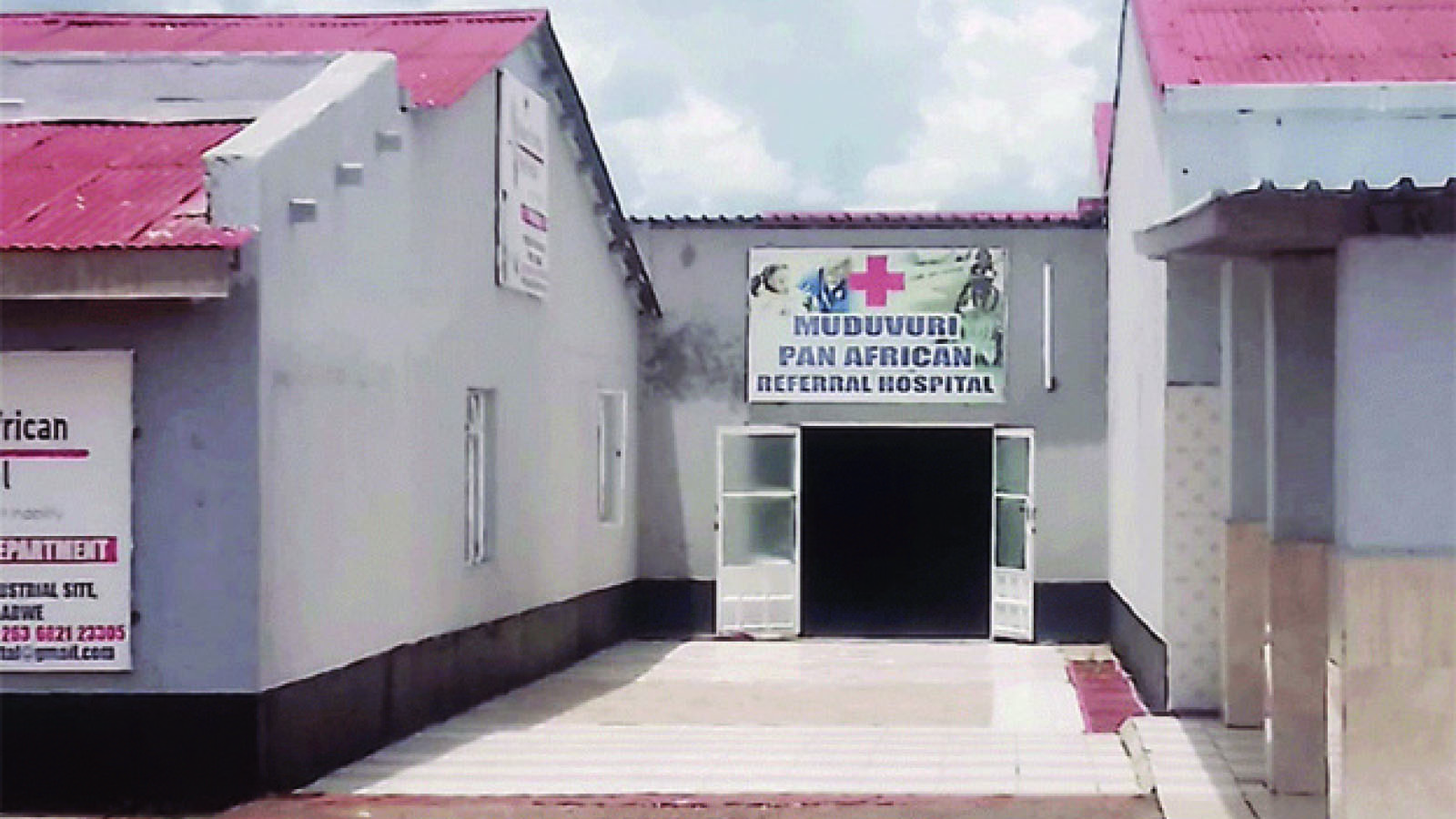
Takawira Photovet Dapi-Features Correspondent
When Kadoma businessman and philanthropist, Jimayi Muduvuri, reflects on his life, one moment stands out as a turning point: the day President Mnangagwa, then Minister of National Housing and Social Amenities, saved him from losing both his legs after a devastating accident in 2006.
“I should have been buried long back,” Mr Muduvuri recently recalls with emotion. “But His Excellency, then Minister Mnangagwa, stepped in as a Good Samaritan. That act of compassion gave me a second chance at life.”
What began as a private gesture of kindness has since cascaded into a nationwide legacy. Inspired by the President’s selfless intervention, Mr Muduvuri has built 10 free medical service centres across Zimbabwe’s provinces through his Muduvuri Rehabilitation and Empowerment Foundation.
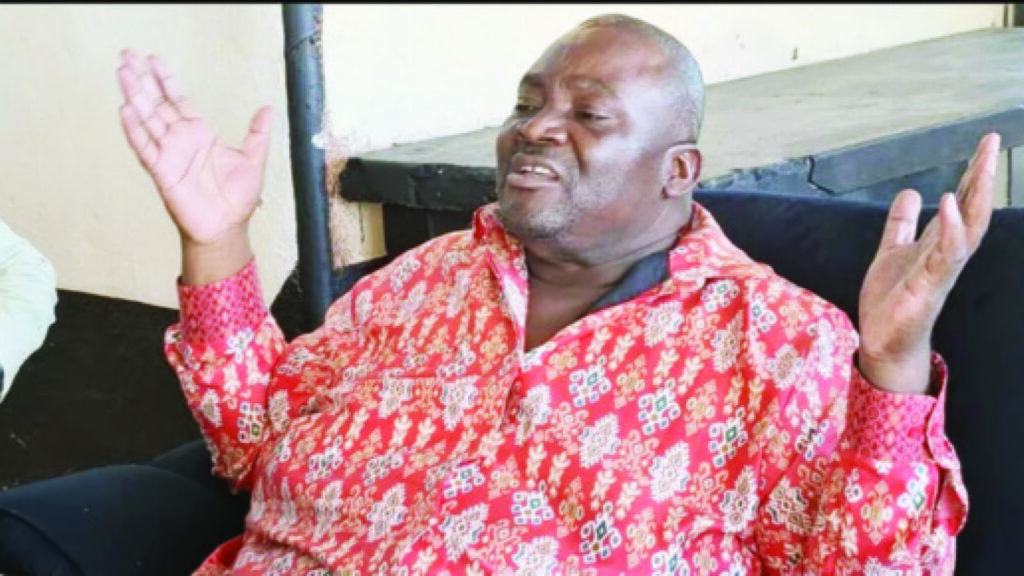
Mr Jimayi Muduvuri
The businessman’s decision was not born of obligation, but of gratitude. When he recovered from the accident, he attempted to repay President Mnangagwa the money spent on his medical care. To his surprise, the President firmly refused.
“He chased me out of his office that day,” Mr Muduvuri says, engulfed in the memory. “He told me he was too busy attending to people with real problems, and reminded me that he had not signed anywhere that he had given me loan. He had simply wished me well.”
Confused yet moved, Mr Muduvuri left determined to honour the spirit of generosity that had saved him. Instead of repaying one man, he would repay an entire nation.
The result is a growing network of free medical centres that stretch across Zimbabwe, each carrying names of national icons and liberation stalwarts.
Among them are: Joshua Nkomo Pan-African Clinic in Gwanda (Matabeleland South); Chief Rekai Tangwena Clinic in Nyanga North (Manicaland); Robert Mugabe Clinic in Murombedzi (Mashonaland West); Simon Muzenda Clinic at Gokwe Centre (Midlands); Ndabaningi Sithole Clinic in Chipinge (Manicaland), and Amai Auxillia Mnangagwa Clinic in Nembudziya (Midlands).
Others are Mama Mafuyana Clinic in Harare (Harare Metropolitan), Herbert Chitepo Clinic in Mutare (Manicaland), and Josiah Tongogara Clinic in Masvingo (Masvingo).
At the heart of Kadoma, Mr Muduvuri also established the Muduvuri Pan-African Referral Hospital, which houses specialist departments, such as the Robert Gabriel Mugabe Theatre Department and the Mbuya Lear Muduvuri mental rehabilitation centre, named after his mother.
Some units even honour global figures like Mao Tse Tung and President Vladimir Putin of Russia, in line with the Second Republic’s Vision 2030 mantra of inclusive development and international solidarity.
For Mr Muduvuri, these clinics are more than bricks and mortar. They are living monuments of gratitude, designed to ensure that liberation war heroes, heroines, and ordinary citizens alike can access free, lifelong medical care.
“My health journey revealed to me what many do not know about President Mnangagwa,” he says. “Philanthropy is not new to him. From childhood, helping others has been a part of his life’s culture.
“After my accident, I discovered countless testimonies from people he had helped quietly, without fanfare. I realised I was not the first, and certainly not the last.”
The foundation’s work, Mr Muduvuri reveals, is a way of extending that private generosity into a public legacy — ensuring that kindness is not confined to one man’s story, but multiplied across communities and generations.
Looking ahead, he envisions the expansion of these centres beyond Zimbabwe’s borders, transforming them into Pan-African hubs of free medical care.
“These clinics must cascade into all African states, because gratitude is not complete until it becomes Pan-African. My way of thanking President Mnangagwa will only be fulfilled when every person, regardless of background, can walk into these centres and find hope,” he said
The Joshua Nkomo Pan-African Clinic in Gwanda, scheduled for official opening on September 5, stands as the latest beacon of this vision. For Muduvuri, who now navigates life from a wheelchair, each clinic is not just a facility but a demonstration of survival, gratitude, and nation-building.
“Kupa kuzvipa, kupa, kupa kuzvidyarira kupihwa,” he reflects in Shona — giving selflessly, giving in order to give again through reciprocity. That is what President Mnangagwa did for me, and that is what I am doing for Zimbabwe.”
In the end, one man’s refusal to accept repayment has sparked a chain of generosity that spans provinces, honours heroes, and holds promise for the nation and beyond