Silenkosi Moyo
The call came on a Wednesday. A well-known Bulawayo company was organising its annual end-of-year function and wanted a live band of four musicians, two sets, a PA system, and for the artists to source themselves.
The fee offered was a single flat amount, in cash, on the night. No contract. No breakdown. No mention of rehearsal, transport, or the hours spent arranging the set. The musicians accepted. They had been here before. Most of them had never been anywhere else.
This scenario plays out constantly across Bulawayo’s arts economy, in gallery invitations, theatre productions, festival lineups, and community programmes. Artists are engaged, art is produced, audiences are entertained, and the people who made it happen are paid last, paid least, or not paid at all.
The question this series sets out to answer is not whether artists deserve to be paid. That is settled. The question is: for what, exactly, and by what standard?
Bulawayo’s arts ecology makes this question especially pressing. The city has a rich creative history and produces artists of genuine calibre across visual art, music, theatre, and spoken word.
But it lacks the density of corporate sponsors, large commercial galleries, and major media institutions that Harare draws on. Many of its arts events are organised by NGOs, embassies, civic committees, and volunteer-run festivals working with constrained budgets. In that environment, the expectation that artists will contribute for free or for exposure has become deeply embedded. This article argues that it should not be.
The first distinction every artist and every commissioner needs to understand is the difference between a commission and an invitation to participate. A commission means a client, gallery, company, NGO, or public institution is asking for something new to be created. In that case, the artist charges a fee.
That fee should include design or concept development, production time, materials, assistants where needed, framing or installation where relevant, and a payment schedule. Standard consignment and commission agreements state clearly who owns the work before sale, who sets the price, what commission the gallery takes, and when the artist gets paid.
An invitation to participate is different. If an artist is asked to join an exhibition, residency, music programme, theatre showcase, panel, workshop, or festival, that is still professional labour.
The organiser should not assume the artist must come for “exposure.” The artist should ask whether there is an appearance fee, participation fee, performance fee, rehearsal fee, transport reimbursement, accommodation, or per diem. Exposure is not a substitute for income. This matters in Bulawayo, where many creatives are visible in programmes but not always visible in the budget.
In visual art, pricing is often misunderstood as simply the cost of paint and canvas. It is more than that. A painter or sculptor must calculate studio time, materials, size, complexity, framing, delivery, installation, and market position.
A gallery relationship introduces another layer: commission. Works often remain the artist’s property until sold, while the gallery acts as an agent and takes an agreed-upon percentage after the sale.
Gallery commission rates vary and are typically negotiated, though artists should enter those conversations knowing what they are agreeing to and insisting that terms are documented.
Zimbabwean artists provide instructive examples of why pricing matters, though it is important to distinguish between the exceptional and the everyday. Portia Zvavahera, one of the country’s best-known contemporary painters, has established a visible international market. Sotheby’s listed her work Vese Vakandibata (They all gave me strength) in its May 2023 New York sale with an estimate of $100,000–$150,000, and later reported in Zimbabwe said the work sold for US$280,000.
Aspire Art has noted that her record auction price was $355,600 in 2023.
These are extraordinary figures. Zvavahera is an outlier, an artist who spent years building a reputation through residencies, international galleries, and institutional collections before reaching auction at that level.
Her story is aspirational, not typical. Most Zimbabwean artists will never see the inside of a Sotheby’s catalogue. But the principle her career illustrates is transferable: art has market value, and artists should not approach pricing apologetically. The ceiling is not the floor, but there is a floor, and artists have every right to stand on it.
The Bulawayo story is not only about auction stars. Charles Bhebe, who lives and works in Bulawayo, has shown with galleries in Zimbabwe and abroad and is represented on international platforms including Artsy and AKKA Project. That kind of profile moves an artist from informal selling into a documented market, where price is shaped by exhibition history, representation, and collector confidence.
Berry Bickle, born in Bulawayo, has had work appear at auction and in major institutions, including Zeitz MOCAA. Her career shows that artists from this city can move between local practice, regional history, and international contemporary art circuits. For pricing purposes, that matters because artists are not only selling objects. They are selling reputation, research, intellectual depth, and years of practice.
The same principles apply in music. Bulawayo’s Insingizi Emnyama, the internationally known vocal trio, demonstrates that music is not casual entertainment but a professional cultural product working within mbube and isicathamiya traditions with a documented international base and record of commercial success.
But Insingizi, like Zvavahera, are an outlier. Their international touring, recording contracts, and established brand place them well beyond the circumstances of most working musicians in this city.
The more common reality is the jazz ensemble hired for a corporate cocktail evening and paid a flat cash amount with no contract, no receipt, and no clarity on whether the fee covers rehearsal, transport, or use of the recording. It is the gospel choir brought in for a hotel function and thanked with a buffet. It is the mbaqanga group that told their fee is “exposure to important people.”
Those musicians matter just as much to this argument. A group like Insingizi should not be thought of as charging only for the few minutes spent on stage. Neither should the quartet playing at a
Friday evening restaurant. Their fee should reflect rehearsal, arrangement, travel, performance, brand value, and, where relevant, recording and usage rights.
In theatre, a similar problem exists. Too many actors, directors, playwrights, and stage managers are offered one flat fee, even though theatre work includes script development, rehearsals, technical runs, costume fittings, travel, performance days, and sometimes touring.
A proper theatre budget should separate rehearsal from performance and account for royalties if a script is reused or recorded. The same logic applies to choreographers, spoken-word artists, and interdisciplinary performers invited into arts festivals or civic programmes. Professional labour must be itemised, or it will be undervalued.
Knowing what to charge is only half of the conversation. The other half, that is, what commissioners owe, what artists owe in return, and how both sides can move toward a functioning creative economy in this city, will be addressed in Part 2.
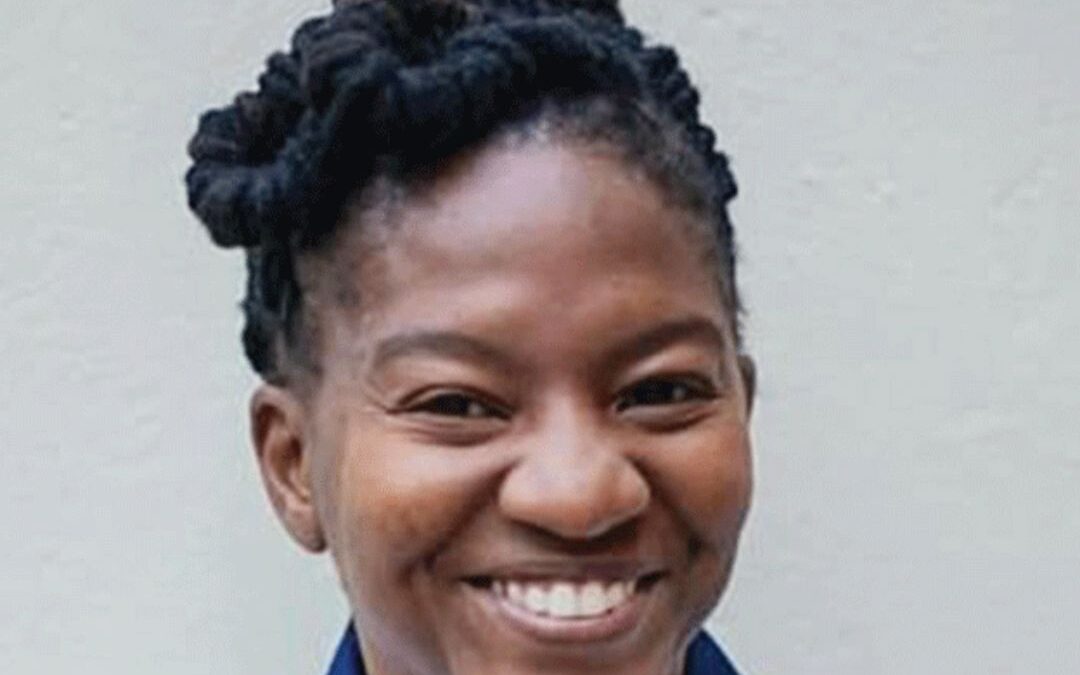
*Silenkosi Moyo is a prominent Zimbabwean arts administrator and cultural leader currently serving as the Regional Director of the National Gallery of Zimbabwe (NGZ) in Bulawayo.