admin
admin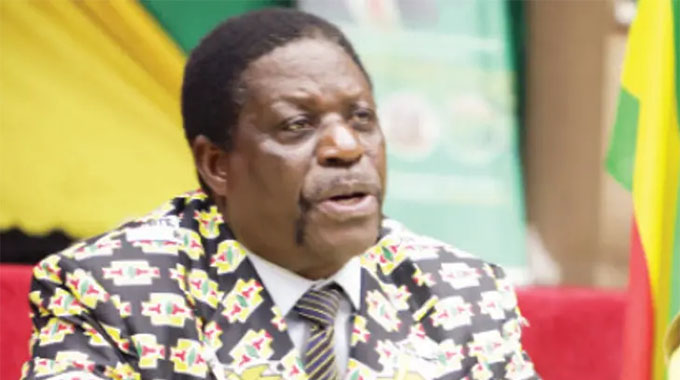
Joseph Madzimure
Senior Reporter
ZANU PF is looking into concerns raised by some candidates in some constituencies in the primary elections that were held over the weekend, the revolutionary party’s national political commissar Cde Mike Bimha said.
He said a special ad-hoc tribunal met yesterday to consider the complaints, some of which might affect the results.
“We allowed people to lodge complaints, an ad-hoc special tribunal will be meeting today (yesterday) and outcomes of these complaints will affect results,” said Cde Bimha.
The Zanu PF primary elections attracted an overwhelming response in terms of voter turnout, forcing the party to extend the voting period in some areas to give all party members an opportunity to exercise their democratic rights.
Yesterday Zanu PF released the second batch of the Zanu PF primary elections results in which the party director for Information and Publicity Cde Tafadzwa Mugwadi emerged victorious in Buhera West, while Mashonaland East Youth chairman Cde Isaac Tasikani sailed through in Mutoko South.
Caps United president Cde Farai Jere will represent the party in Murewa West, while Cde Phillip Guyo won in Buhera North.
The results are, however, still subject to confirmation by the Politburo.
Preliminary results announced by the party’s National Political Commissar Cde Mike Bimha yesterday indicated that some ministers and veteran legislators fell by the wayside as the ruling party entrenches democracy and rejuvenates itself ahead of this year’s national harmonised elections.
More results are expected today.



 Online Reporter