Online Reporter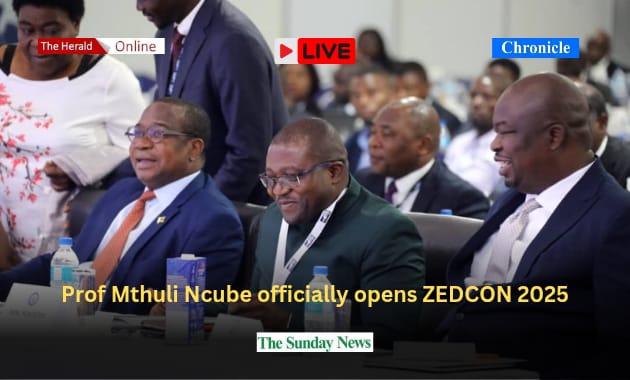
The 4th edition of the Zimbabwe Economic Development Conference in Bulawayo enters its third and final day today Friday, with the Minister of Finance, Economic Development and Investment Promotion, Professor Mthuli Ncube set to officially open the indaba.
Prof Ncube has been requested by President Mnangagwa, who was initially expected to officially open it, but has been held up due to other pressing commitments.
The high-level indaba is being hosted by the Ministry of Finance, Economic Development and Investment Promotion for the first time in Bulawayo under the theme: “Macroeconomic and Sectoral Policies for Broad-based Economic Transformation”.
The theme underscores the urgent need for sustainable macroeconomic frameworks coupled with targeted sectoral interventions in agriculture, mining, and manufacturing.
The outcomes of the gathering are expected to shape Zimbabwe’s economic development agenda in line with Vision 2030, which seeks to attain upper-middle-income status through inclusive growth, job creation, and poverty reduction.
ZEDCON 2025 focuses on seven key pillars ranging from macroeconomic Growth and Stability, Investment in Agro-processing and Manufacturing Value Chains, Informal Sector Growth and Resource Mobilisation, Infrastructure Development, Technology, Digital, and AI Interventions, Diaspora Investment Frameworks and Policies and Regional Integration and the African Continental Free Trade Area (AfCFTA).
Zimpapers Business Hub senior reporter, Nqobile Bhebhe and chief photographer Eliah Saushoma are attending the conference and will be giving us live updates.
Zimbabwe’s economy expected to grow by 6.6 percent
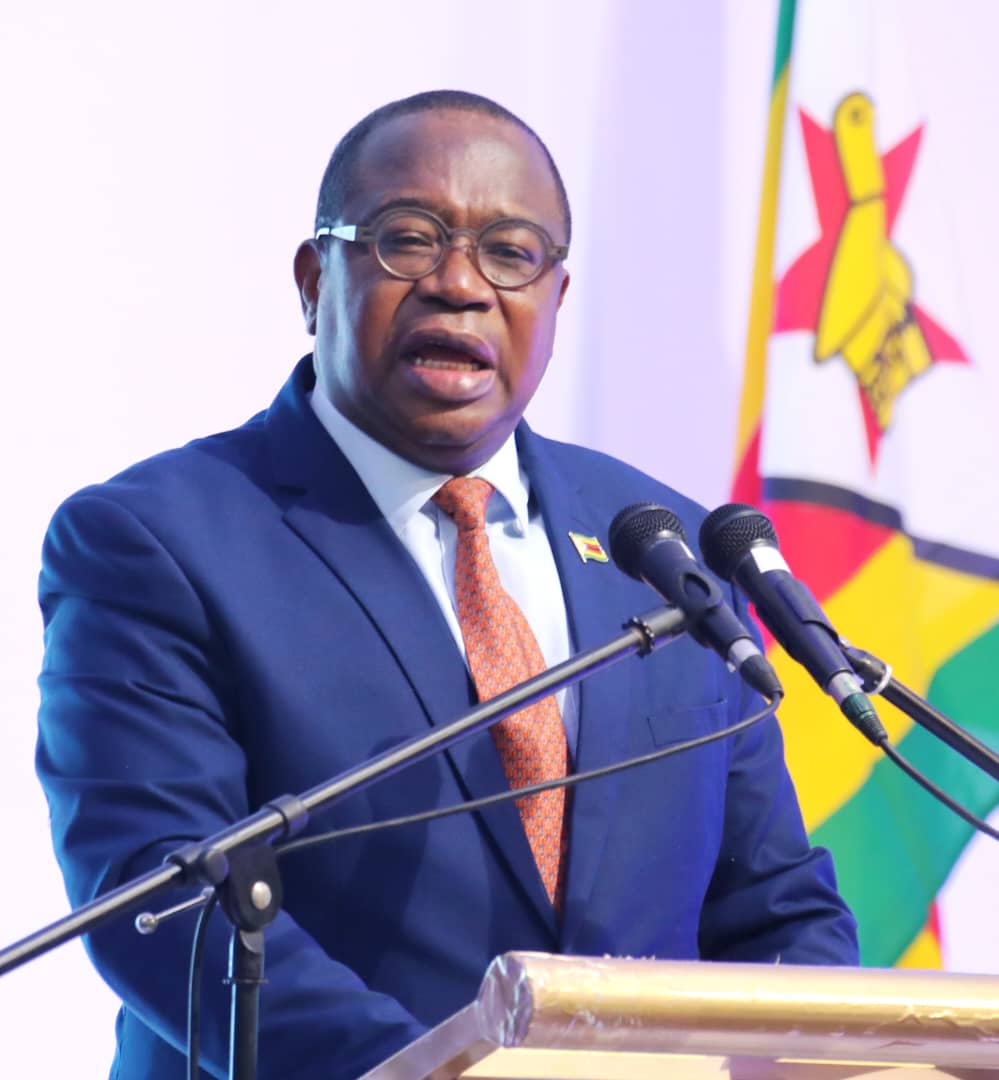
Finance, Economic Development, and Investment Promotion Minister Professor Mthuli Ncube has stated that the 2025 economic projection has been upgraded to 6.6 percent.
In his keynote address at the 4th edition of the Zimbabwe Economic Development Conference in Bulawayo, Professor Ncube told delegates that President Mnangagwa was scheduled to officiate, but had other pressing matters which he had to attend to.
“Due to other pressing matters, the President asked me to officially open Zedcon, which I duly accepted,” he said.
Professor Ncube said the 2025 economic projection has been upgraded to 6.6 percent.
“The economy is projected to grow by 6.6 percent, I repeat by 6.6 percent,” he said.
Kicking off the opening discussions on Wednesday, Deputy Minister of Finance, Economic Development and Investment Promotion, David Mnangagwa, called for sincerity in policy engagement.
“Honest and robust engagements grounded in facts and empirical evidence are essential,” he said.
“Candid and constructive dialogue is a service not only to each other but to our beloved nation.”
Deputy Governor of the Reserve Bank of Zimbabwe, Dr Innocent Matshe, reinforced the central bank’s credibility and urged delegates to trust the RBZ’s stewardship of the economy.
“The track record that we have speaks volumes and deserves recognition,” said Dr Matshe, as he outlined a series of fulfilled economic forecasts that he said highlight the institution’s transparency and results-driven focus.
Dr Matshe also reaffirmed that Zimbabwe remains open for investment, particularly from its global citizens.
“I would like to say this, that the Reserve Bank has no issues about the disinvestments, dividend flows and any other profits that investors may want to remit,” he said.
“There is a structure in place. We have a capital-in and capital-out policy. So, this is facilitated seamlessly.”
Delegates also emphasised the urgency of accelerating digital infrastructure development. Artificial Intelligence (AI), they noted, has the potential to significantly boost Zimbabwe’s Gross Domestic Product, both in the short and long-term.
As the country moves forward on its development path, platforms such as ZEDCON continue to play a pivotal role in shaping evidence-based policies and driving consensus around national priorities.
Economy enjoying longest stability streak since Second Republic — Guvamatanga
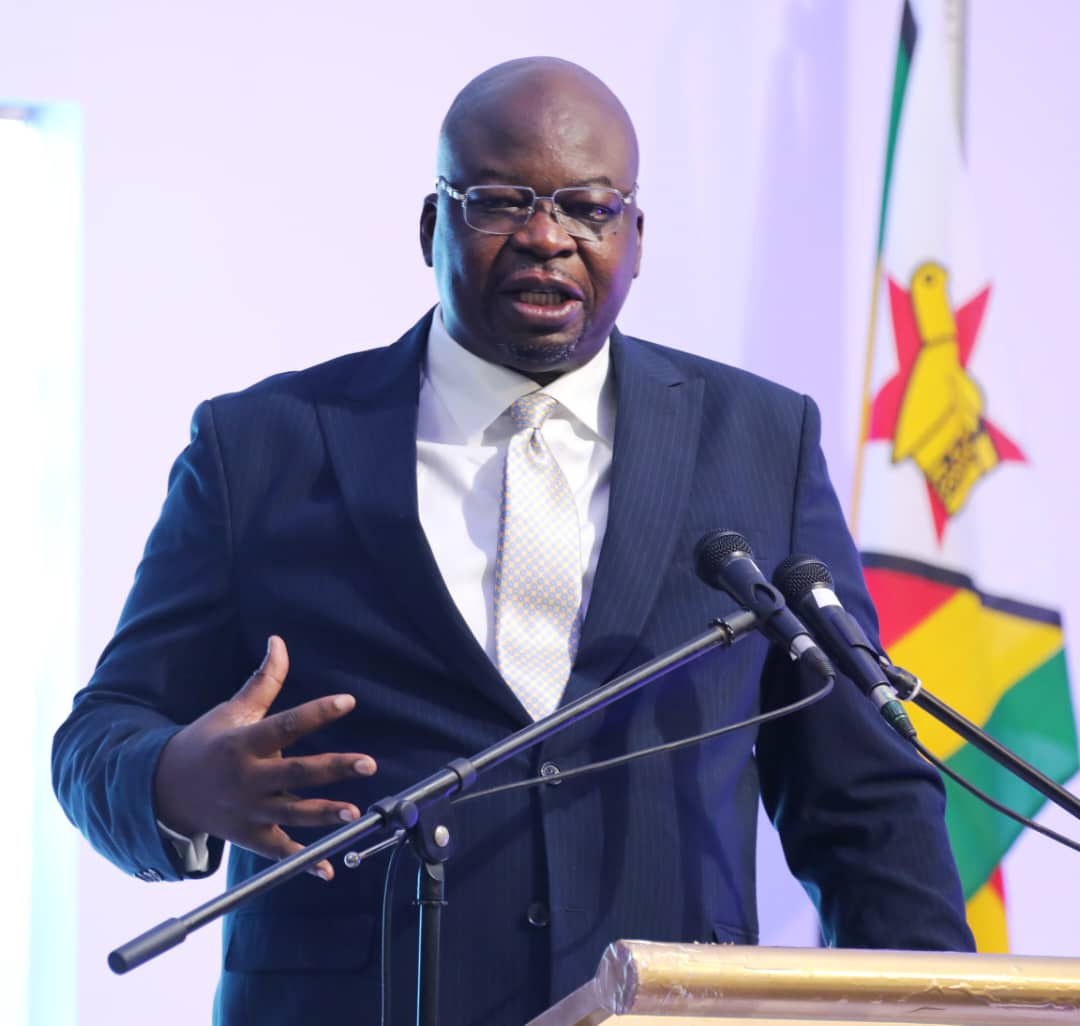
Zimbabwe’s economy is experiencing its longest period of stability since the advent of the Second Republic, but the private sector has continued to raise concerns over economic performance, a senior government official has said.
Finance, Economic Development and Investment Promotion Permanent Secretary Mr George Guvamatanga made the remarks while delivering key takeaways from the Zimbabwe Economic Development Conference (ZEDCON) in Bulawayo.
“Starting with macro-economic growth and stability, since the coming in of the Second Republic, Honourable Minister, the economy has recorded its longest streak if I may put it that way of uninterrupted stability since the measures Government took in September of 2024,” he said.
“That was on the 25th of September 2024, and so we are just a week away from actually having, again and I repeat uninterrupted stability, which is quite a very remarkable achievement.”
Mr Guvamatanga, however, noted that despite the macroeconomic progress, industry has remained vocal in expressing concerns over business performance.
“But notwithstanding that, this is the loudest period we have heard of complaints from industry that the economy needs a quick reshape, that the economy is not doing well, and that they are not doing very well with their businesses which is quite a complete opposite, because we would have actually expected business to be celebrating,” he said.
The Permanent Secretary said he takes a personal interest in understanding the actual performance of the private sector by studying published company results.
“What is interesting is that I do take time so that I can understand what is happening in industry.
“When all companies release their results, I go through the results always to also get directions in terms of issues that will need addressing, issues that will affect companies’ performance,” he said.
“But what surprises me, you get to the top of the chairman’s comments and the managing director’s comments, and you hear that the volumes of the company, they have grown they have gone up.”
He said this growth in volumes suggests increased consumer spending power.
“So there is a difference, because when a company’s volumes are growing, it actually reflects that there are more people with cash in their pockets that are actually spending on that particular company’s product,” said Mr Guvamatanga.
Turning to ZEDCON 2025, Mr Guvamatanga said the primary objective of the conference is to promote high-level, evidence-based dialogue that will inform sound policy formulation and implementation.
“The ZEDCON discussions are structured around six critical pillars: macro-economic growth and stability, informal sector growth and resource mobilisation, technology, digital and artificial intelligence interventions, diaspora investment framework and policies, regional integration, and infrastructure development,” he said.
Economic stability driving investment confidence: Minister Ndlovu
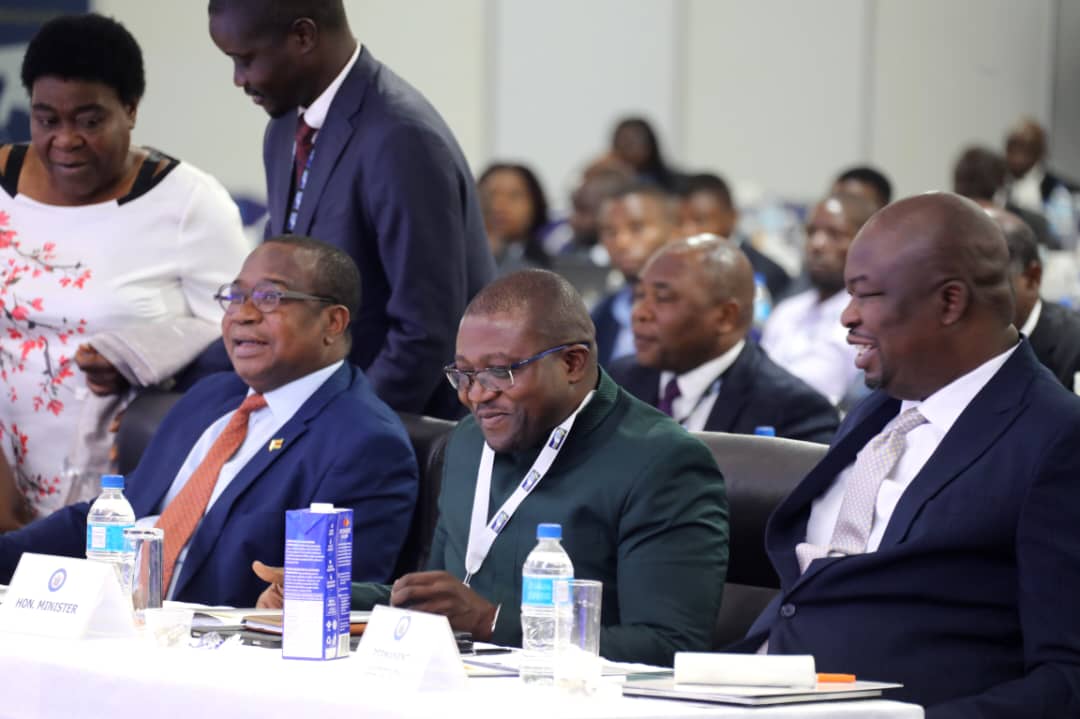
The prevailing economic stability ushered in by the Second Republic is not only benefiting consumers but has also emerged as a strong magnet for investors, Industry and Commerce Minister Nqobizitha Mangaliso Ndlovu has said.
Speaking at the Zimbabwe Economic Development Conference held in Bulawayo yesterday, Minister Ndlovu said the country was witnessing unprecedented levels of investor interest, underpinned by macroeconomic stability and sound monetary and fiscal policies.
“In terms of what is happening to this economy, I think under the Second Republic we have had the longest stable spell that we have ever experienced,” he said.
The Minister noted that the growing confidence in the Zimbabwe Gold (ZiG) currency was a reflection of deepening economic trust among citizens and stakeholders.
“There are people that have been telling me that they are looking for the ZiG because for the first time they know that they can keep their ZiG for months and it will still have the same buying power if not more,” he said.
Minister Ndlovu underscored the importance of sustained policy coordination as a catalyst for industrial growth.
“I am saying this because I mentioned the fiscal arm, I mentioned the monetary arm, if these support industry, then this economy is on its path to high growth,” he said.
He commended the stability achieved so far, describing it as crucial not only for everyday consumers, but also for the investment community.
“We fully appreciate the stability that has come. This stability is not only important for the general consumer, it is important for the investors,” he said.
Indicating the impact of policy consistency, the Minister said investor interest had surged significantly over the past year.
“We have seen high appetite for investment in the last 12 months. Of course, under the Second Republic we have recorded record investments in the manufacturing sector,” he said.
Minister Ndlovu said continuous capacity expansion across industries was a sign of confidence and momentum.
“That’s why I say capacity utilisation will be a moving target because there is expansion continuous expansion in capacity,” he said.
Prof Ncube forecasts strong rebound in 2025
Zimbabwe’s economy is firmly on the path to recovery and sustainable growth following a drought-induced slowdown in 2024, with fresh projections pointing to accelerated momentum driven by key productive sectors, Finance, Economic Development and Investment Promotion Minister, Professor Mthuli Ncube, has said.
Addressing delegates at the Zimbabwe Economic Development Conference (ZEDCON) in Bulawayothis morning, Prof Ncube said the economy is now poised for a significant turnaround, underpinned by strong performances in agriculture, mining, and manufacturing. the pillars of the country’s economic transformation agenda.
“The Zimbabwe National Statistics Agency (ZIMSTAT) recently shared the results of the comprehensive Economic Census,” said Prof Ncube.
“This census has revealed robust economic activities taking place throughout the country. Notably, the Economic Census shows that the country’s Gross Domestic Product stood at US$45.7 billion in 2024, reflecting positive momentum in our national economy.
“It is imperative that we sustain this growth momentum, while ensuring that the benefits of growth accrue and reach every citizen of Zimbabwe.”
Prof Ncube said the Economic Census yielded insights of strategic importance, particularly concerning the resurgence of the manufacturing sector long seen as a sleeping giant in Zimbabwe’s economic matrix.
“Contrary to earlier perceptions, the sector’s contribution has exceeded expectations, underscoring the tangible progress towards economic transformation that we are witnessing,” he said.
“The growth in manufacturing is a clear testament to the effectiveness of our policies aimed at industrial revitalisation, beneficiation and value addition.
“We must stay the course for the structural transformation of our economy and inclusive growth.”
The Finance Minister underscored the Government’s unwavering commitment to sound macroeconomic management and sectoral reforms, which he said were crucial to anchoring long-term recovery and resilience.
“The implementation of sound macroeconomic policies, combined with focused sectoral reforms is essential to economic recovery and transformation.”
Building on the gains already recorded, Prof Ncube revealed that growth prospects for 2025 have been revised upwards, indicating renewed confidence in Zimbabwe’s economic trajectory.
“Building on this foundation, economic growth for 2025 is now projected above the original projection of 6 percent to around 6.6 percent, with an expected nominal GDP of approximately US$52.3 billion.
“The higher projection is on account of more-than-anticipated output in the agricultural sector, particularly tobacco following favourable climatic conditions, and mining sector growth buoyed by high commodity prices, notably gold,” he said.
As the economy continues to show resilience in the face of external shocks and climate variability, Prof Ncube stressed the importance of deepening reforms and maintaining fiscal discipline to ensure that the gains being made are sustained and broad-based.
Minister Ncube proposes 24-Hour economy to boost productivity
Finance, Economic Development and Investment Promotion Minister, Professor Mthuli Ncube, has called for the adoption of a 24-hour economy, citing increased electricity availability during off-peak hours as a key opportunity to enhance national productivity.
Speaking during a panel discussion at the ongoing Zimbabwe Economic Development Conference (ZEDCON) in Bulawayo, Professor Ncube noted the inefficiencies of the current working culture and challenged the nation to rethink its approach to economic activity.
“But also, I think we have an eight-hour economy, don’t we? By 4.30pm, we are all going home,” he said.
“We arrive at the office at 8am, take a two-hour lunch break. By 4.30pm, we are going home.”
The Minister noted that significant amounts of electricity go unused during the night, presenting an opportunity for expanded production and service delivery.
“We need a 24-hour economy. Overnight, there is more electricity because the households are sleeping, so it’s actually more electricity,” he said.
He urged stakeholders to consider models adopted by other countries that have successfully implemented round-the-clock economic activity.
“So again, we need to be certain to have a 24-hour economy. Other countries that are doing this, why not us?” Professor Ncube said.
The proposal comes amid ongoing efforts to stimulate economic growth and increase investment through innovation and structural reform.
Finance Minister welcomes US move to repeal ZDERA
The Minister of Finance, Economic Development and Investment Promotion, Professor Mthuli Ncube, has welcomed the recent introduction of a legislative Bill in the United States House of Representatives proposing the repeal of the Zimbabwe Democracy and Economic Recovery Act (ZDERA) of 2001, a key sanctions law that has severely curtailed Zimbabwe’s access to global financial support for over two decades.
Prof Ncube said the development signals potential for a major thaw in relations between Harare and Washington and paves the way for Zimbabwe’s reintegration into international financial systems, including access to funding from multilateral institutions such as the International Monetary Fund (IMF) and the World Bank.
Speaking on the sidelines of the Zimbabwe Economic Development Conference (ZEDCON) in Bulawayo, the Minister expressed cautious optimism.
“It’s a positive development. Of course, it’s going through the motions, we are not in control of those motions, unfortunately but it’s a positive development and we hope that the outcome will be as requested by whoever is sponsoring that Bill,” said Prof Ncube.
“We look forward to that Bill being successfully concluded.”
The proposed legislation known as the Department of State Policy Provisions Act was introduced in the US House of Representatives last week by Congressman Brian Mast (R-FL).
It contains a specific provision to fully repeal ZDERA, a law enacted in 2001 that legally bound the US government to oppose financial support to Zimbabwe through institutions such as the IMF and World Bank.
ZDERA has, for over 20 years, effectively isolated Zimbabwe from much-needed global financial support, undermining efforts to restructure debt and unlock development financing.
The proposed repeal marks a potentially seismic shift in US foreign policy towards Zimbabwe and comes at a time when the Second Republic is pursuing a reform and re-engagement agenda under President Mnangagwa’s administration.
Reads the Bill in part: “In general – The Zimbabwe Democracy and Economic Recovery Act of 2001 (ZDERA Act), as amended, Public Law 107–99 (115 Statute 962), is hereby repealed.”
Further, the Bill makes it clear that future US support for multilateral funding will be contingent upon Zimbabwe’s full compliance with the Global Compensation Deed.
“The United States shall not support any new or expanded funding from the International Monetary Fund or the International Bank for Reconstruction and Development (commonly known as the World Bank) for the Government of Zimbabwe unless the Government of Zimbabwe shall commit, within 12 months of the approval of such new or expanded funding, to remit all outstanding arrears owed under the Global Compensation Deed, inflation adjusted to the date of enactment, and compensation shall not be in the form of Zimbabwe-issued securities,” the Bill reads.
“Failure to comply with this provision shall result in an immediate cessation of all United States support for any further funding from these institutions.”
The Global Compensation Deed, signed in 2020, is a negotiated agreement between the Government of Zimbabwe and representatives of dispossessed former commercial farmers, outlining a structured compensation framework valued at US$3.5 billion.
The new Bill has since been referred to the House Foreign Affairs Committee, where it will undergo further deliberation.
Observers say the move represents a critical opportunity for Zimbabwe to consolidate its economic reform trajectory and to attract new streams of capital, provided it navigates the outstanding legacy issues with clarity and commitment.
New fund aims to revitalise key sectors, promote industrial growth
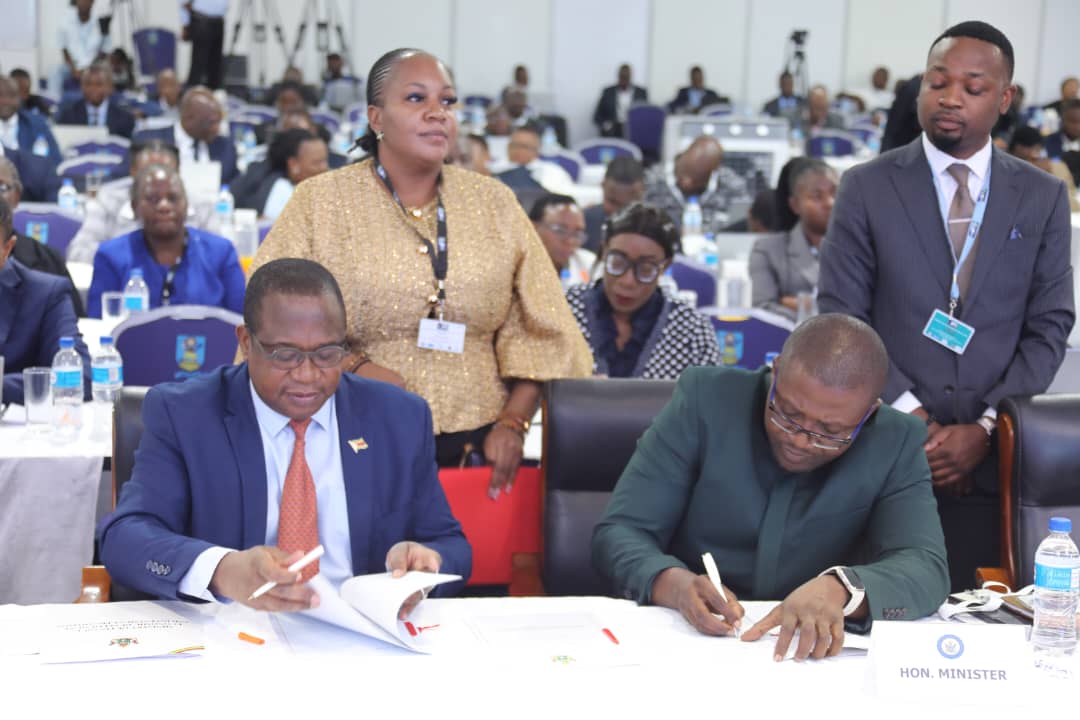
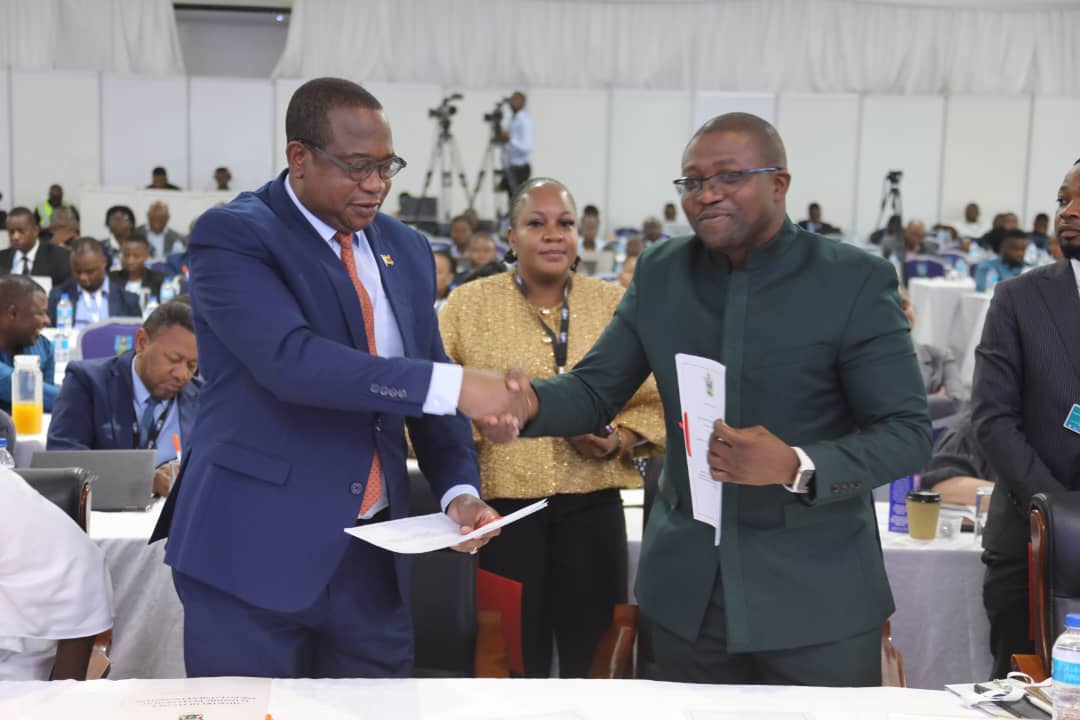
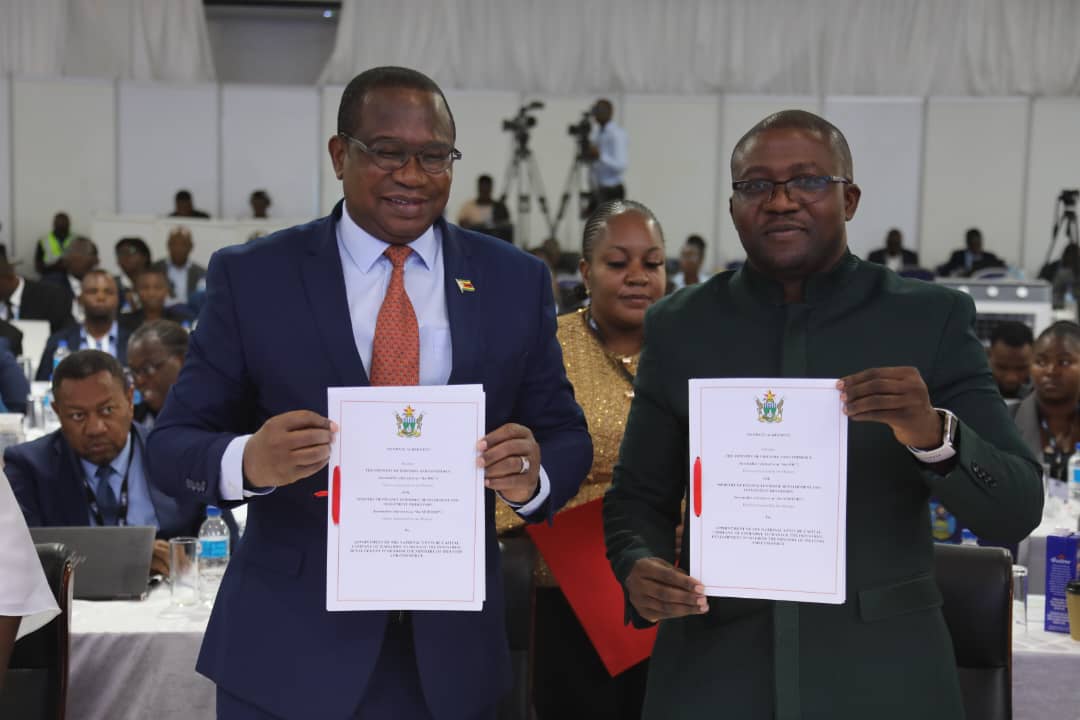
In a step towards accelerating industrial growth and promoting domestic value chains, the Government has officially launched the Industrial Development Fund (IDF), a strategic intervention aimed at revitalising key sectors of the economy.
The Fund will be administered by the National Venture Capital Company of Zimbabwe (NVCCZ), marking a new era in targeted government support for industry.
The signing ceremony was held during the Zimbabwe Economic Development Conference in Bulawayo on Friday.
NVCCZ Chief Executive Officer Mr Tino Kambasha outlined the rationale behind the establishment of the Fund, noting that it represented a departure from previous models of industrial financing.
“Previously, Government used to allocate a grant to the Industrial Development Corporation of Zimbabwe, which has since been moved to the Mutapa Fund,” said Mr. Kambasha.
He explained that the Ministry of Finance, Economic Development and Investment Promotion (MOFEDIP), in collaboration with the Ministry of Industry and Commerce, had resolved to channel resources directly into the industrial sector through a structured investment model, rather than through traditional grant allocations.
“Since the grant was a national budget allocation, the Ministry of Finance, Economic Development and Investment Promotion (‘MOFEDIP’), together with the Ministry of Industry and Commerce have decided to channel the grant directly into industry through a managed structure aimed at making a return for the Government,” he said.
The IDF is set to operate under a performance-based, results-oriented structure, with NVCCZ tasked with carrying out rigorous analysis and due diligence on applicants seeking support under the fund.
“NVCCZ has been identified as a suitable government vehicle that can analyze and perform due diligence on deserving companies in the identified industries and value chains,” Mr. Kambasha said.
The CEO noted that the Fund’s operational framework is guided by clear and measurable objectives, including efficient, transparent, and timely disbursement of resources to high-impact, strategic investments.
“The partnership objectives include efficient, transparent and timely disbursement of the IDF to the impactful identified strategic investments, effective monitoring and evaluation of the investee companies and proper administration and management of the IDF to achieve its set [goals],” he said.
Mr Kambasha further emphasised that the Fund is fully aligned with the country’s broader economic blueprint, particularly the National Development Strategy 1 (NDS1) and National Development Strategy 2 (NDS2), which aim to create a robust, self-sustaining industrial base.
The launch of the IDF marks a significant milestone in Zimbabwe’s push to reindustrialise, reduce import dependency, and expand export-oriented manufacturing all within the context of an inclusive and sustainable economic growth model.