Online Reporter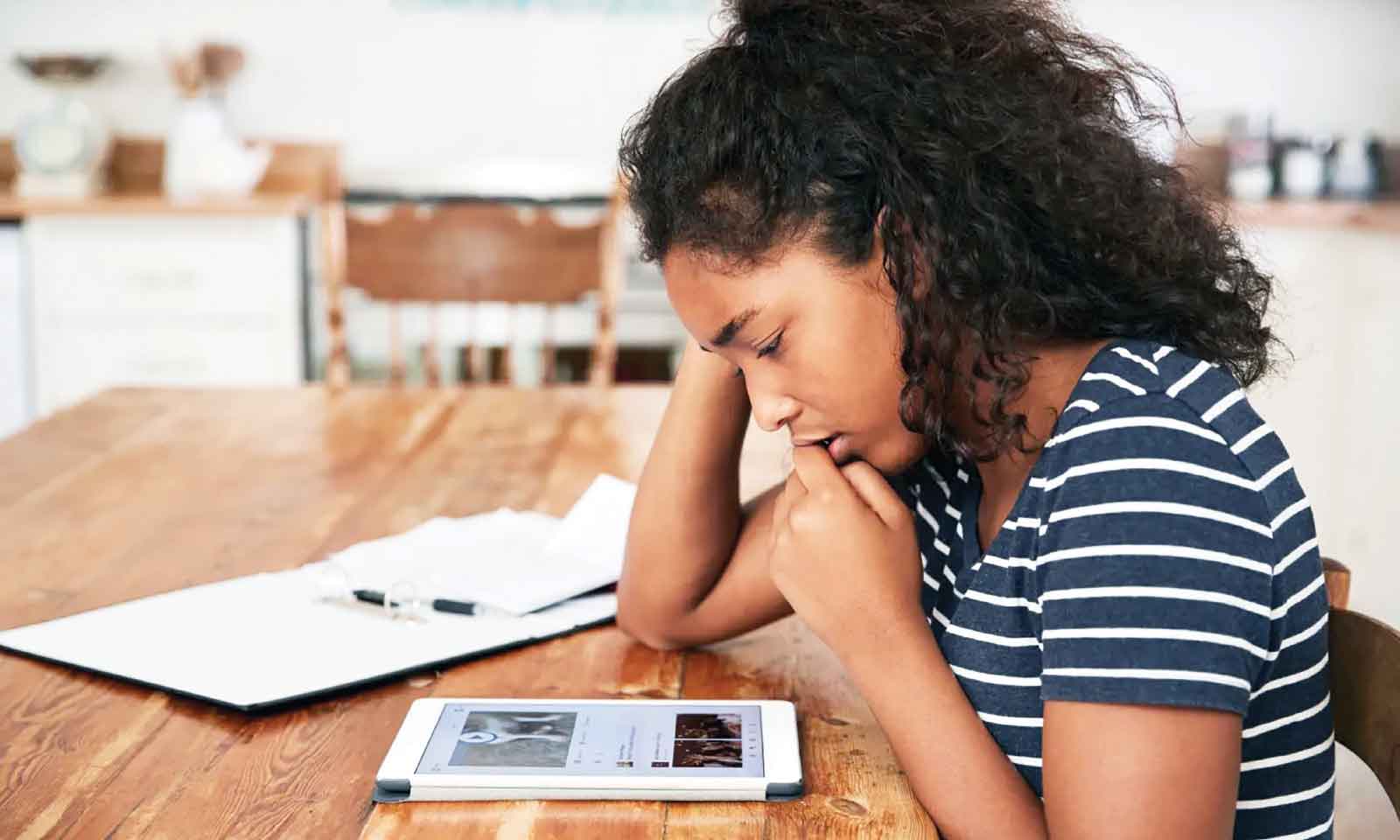
Lucia Ponde Mutsvedu
Correspondent
The internet has become an essential part of everyday life in Zimbabwe. From WhatsApp groups connecting families, to Facebook marketplaces supporting small businesses, and online platforms enabling learning and advocacy, digital spaces have transformed how people communicate and earn a living.
However, alongside these opportunities has emerged a growing and worrying challenge — online abuse against women and girls.
This form of abuse, often referred to as Technology-Facilitated Gender-Based Violence, occurs when digital tools are used to harass, threaten, humiliate or control someone because of their gender.
It includes cyberbullying, online harassment, misogynistic hate speech, cyberstalking, impersonation, hacking, blackmail, and the sharing of private images without consent. These acts are not harmless online behaviour; they are serious violations of human rights.
In Zimbabwe, women and girls are increasingly vulnerable to online abuse as smartphone ownership and internet access continue to grow. Young women, adolescent girls and women with disabilities are particularly at risk.
Social media platforms that should provide spaces for connection and expression often become hostile environments where women are insulted, threatened or shamed.
Many perpetrators hide behind fake profiles, emboldened by anonymity and a lack of accountability.
The impact of online abuse goes far beyond the digital space. Survivors often experience emotional distress, anxiety, depression and loss of confidence.
Some withdraw from social media, stop participating in online discussions or abandon digital opportunities such as online businesses, learning platforms or advocacy work. For many women, the fear of public humiliation and victim-blaming forces them into silence.
Online abuse also reinforces harmful gender norms. Women who express opinions, advocate for their rights or simply exist online are often labelled, mocked or sexually harassed. Meanwhile, men who engage in abusive behaviour are sometimes encouraged or praised by peers. This normalisation of online violence creates an unsafe digital culture that discourages women and girls from fully participating in online life.
Addressing this challenge requires collective responsibility.
Men and boys must be part of the solution.
Educating the boy child about respect, consent and responsible digital behaviour is critical. Without challenging harmful attitudes and behaviours among men, efforts to end online abuse will remain incomplete.
Parents, schools and communities must teach boys that online actions have real consequences and that abusing women online is unacceptable.
Schools play a crucial role in prevention. Online safety and digital citizenship should be integrated into school safeguarding programmes.
Learners need to understand what online abuse looks like, how to protect their personal information and where to seek help when abuse occurs. Teachers and school authorities must also be trained to recognise and respond to cases of online harassment involving learners.
Zimbabwe already has legal frameworks that can be used to protect women and girls online.
The Data Protection Act of 2021 provides protection against the misuse of personal data and digital violations.
However, many women are unaware of their rights or unsure of how to report online abuse. Public education campaigns are therefore essential to ensure that laws translate into real protection.
Communities, churches, workplaces and civil society organisations must also play their part. Open discussions about online abuse can help break the culture of silence and stigma.
Survivors need support, not blame. Women supporting one another can create safe spaces for healing, reporting and advocacy. When women stand together, they amplify their voices and challenge systems that enable abuse.
Law enforcement agencies and service providers must be equipped to respond effectively to online abuse cases. Survivors often report being dismissed or not taken seriously when they seek help.
Training police officers, social workers and healthcare providers to handle digital abuse sensitively is vital in restoring trust and ensuring justice.
Digital literacy is another powerful tool in combating online abuse. Women and girls must be empowered with knowledge about how digital platforms work, how to adjust privacy settings, how to document evidence of abuse and how to report harmful content.
Many women accept online harassment as “normal” simply because they do not know that it is a crime or that help is available.
As technology continues to evolve, so do the risks. New platforms and features create new vulnerabilities, making continuous learning essential.
Zimbabwe must invest in education that promotes responsible technology use while upholding human dignity and gender equality.
Ultimately, creating safe online spaces is not only about technology — it is about values. Respect, accountability and empathy must guide how people interact online.
The internet should be a space where women and girls can learn, work, express themselves and connect without fear.
In conclusion, online abuse against women and girls is real, widespread and deeply harmful in Zimbabwe. Its effects are long-lasting, affecting mental health, participation in public life and economic opportunities.
To address this challenge, individuals, families, communities, civil society and government must work together. Silence and inaction only allow abuse to continue.
The goal should be a future where Zimbabwean women and girls are not pushed out of digital spaces but are empowered to thrive within them. No one deserves to be harassed online. Every woman and girl has the right to use the internet safely, confidently and with dignity.
Lucia Ponde Mutsvedu is the director of Safety n Us



 leeroy