Online Reporter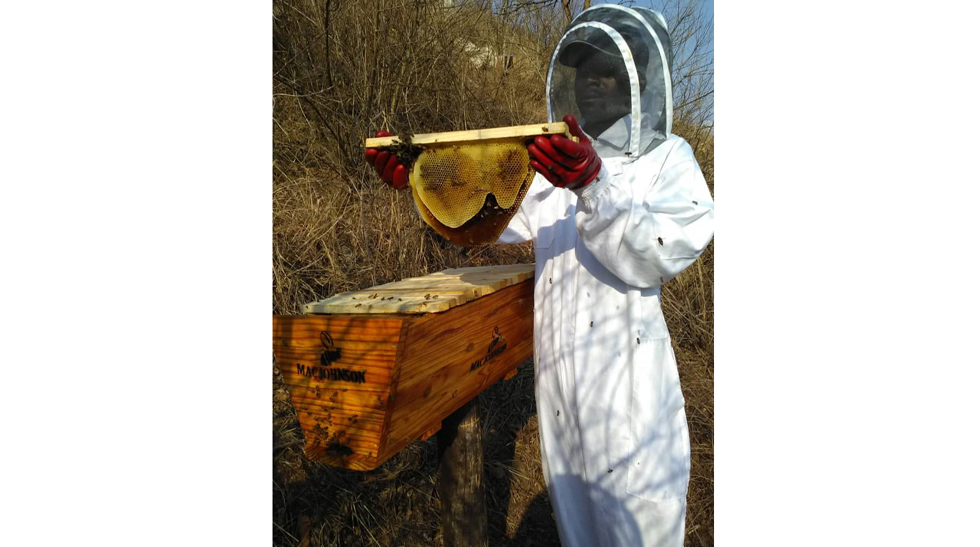
Lovemore Kadzura
Post Reporter
APICULTURE is a burgeoning sector with considerable potential for income generation and economic development, particularly at the grassroots level, where it can benefit rural communities.
Beekeeping has far-reaching implications for livelihoods and general agricultural productivity.
Recently, Government recognised beekeeping as a vital sector in its development programmes, which focus on poverty alleviation, conservation, and the sustainable use of forest and agricultural resources.
Despite its potential to uplift rural communities, given its low capital requirements, little progress has been made in organising beekeepers into large groups to maximise benefits such as increased production volumes and access to organised markets.
The lack of clear organisational structures among stakeholders has resulted in negative outcomes, including beekeepers’ inability to meet local demand for honey.
This has led to an undesirable situation where Zimbabwe is importing honey from China and South Africa to fill the gap left by local producers.
Apiculture expert, Dr Robert Mutisi said Manicaland is failing to capitalise on its conducive environment, characterised by a favourable weather pattern and an abundance of flora, to become a leading force in honey production.
“Apiculture in Manicaland presents significant opportunities for income generation and economic empowerment, particularly in rural areas. The province boasts diverse flora, leading to high honey production, with areas such as Chimanimani, Nyanga, and Chipinge being major contributors.
“Apiculture encompasses five key sectors of the Zimbabwean economy, namely economic development, environmental conservation, food security, agriculture, and livestock development. In Zimbabwe, apiculture is an essential driver in the establishment of micro, small, and medium enterprises, offering high potential for employment creation,” said Dr Mutisi.
According to Dr Mutisi, the provincial production levels are hovering around 1 000 tonnes, a figure he deemed too low to attempt to export.
He emphasised that, in addition to increasing volumes, farmers must undergo rigorous training in quality control and organic produce production, which is in high demand in foreign markets – a criterion that Manicaland farmers can easily meet.
“Manicaland is a major honey-producing region, with an estimated annual production of around 1 000 tonnes, although some production may be undocumented.
“To successfully penetrate the honey export market, Zimbabwe needs to focus on quality, certification, and strategic partnerships. Meeting international standards, securing organic and fair trade certifications, and developing strong branding will be crucial for success. Additionally, addressing phytosanitary requirements and establishing traceability systems are essential for export market entry. Honey producers must ensure their product meets stringent quality control systems, including low moisture content, appropriate sucrose levels, and the absence of contaminants. Obtaining organic certification, particularly for the European Union and United States markets, is also vital.
“Developing a strong brand identity and storytelling around Zimbabwean honey can help it stand out in the competitive market. Furthermore, ensuring the honey is packaged in a way that preserves its quality during transit and meets the regulations of the destination market is important,” explained Dr Mutisi.
Chipinge District Livestock Specialist, Dr John Mwandifura, who is conducting extensive training programmes with Chipinge Vocational Colleges and other organisations, urged beekeepers to form consortiums, enabling them to produce large quantities demanded by the export market.
He noted that Manicaland, particularly Chipinge and Chimanimani districts, are not fully utilising the vernonanthura-polyanthes species, also known as the bee bush plant, to boost production.
The plant was introduced to the Eastern Highlands during Cyclone Eline at the turn of the millennium.
“In Chipinge, bee farmers have not yet reached their full potential and are still in the infancy stage. However, apiculture is on the rise, albeit slowly. There is a high demand for honey, and farmers are increasingly seeking training.
“Manicaland has a distinct competitive advantage in apiculture, thanks to its flora favoured by bees, especially the vernonanthura-polyanthes or bee bush plant. Originally introduced to Mozambique by the Portuguese for apiculture, this invasive species subsequently spread to Zimbabwe, particularly in the Eastern Highlands during Cyclone Eline. It produces high-quality honey in demand on the export market.”
“Paradoxically, Zimbabwe imports honey from South Africa and China instead of exporting it. Despite producing high-quality honey, our quantity is still too low to meet even local demand. There is a need to train more beekeepers to raise production levels.
“Communities need to be organised and trained to meet standards. African countries that export honey, such as Zambia, Ethiopia, Kenya, and Tanzania, have producers operating within organised groups. This approach has enabled them to produce more volumes compared to our individual effort model. South Africa is an exception, with individual commercial producers. In Zimbabwe, people are often sceptical about working in groups, but it is the easiest way for farmers to access government support and funding. Apiculture requires a large number of farmers and beehives to meet the required volumes to satisfy the market,” said Dr Mwandifura.
Working for Bees, one of the largest apiculture operations in the province, boasts 600 stand-alone beehives and 400 managed by out-growers.
Their bee hives are located in Chimanimani, Mutare, Nyanga, Mutasa, Buhera, and Makoni districts, where they produce approximately 10 tonnes of honey annually.
Mr Morat Mutisi, the operations manager, highlighted the vast opportunities available in apiculture.
Besides honey production, they manufacture by-products such as wax, which is used to produce floor polish, shoe polish, body cream, hair food, and candles.
“We started as a small family operation, but we now employ 12 full-time employees to assist with processing and packaging honey and its by-products. These employees are also part of our out-grower network, supplying honey to us. Currently, we have 600 beehives of our own and 400 for our out-growers.
“We harvest two major bee products: beeswax and honey. Beeswax is value-added to produce various products, while honey is used to make honey orange juice, honey wine, nuts in honey, honey biltong, and biscuits coated with honey.
“Our aim is to collaborate with serious farmers and form a large entity that produces sufficient honey for both the local market and export. By working together, we can achieve more. People should view apiculture as a serious business that can transform lives, rather than a pastime activity. We are also engaging in reforestation activities, planting trees at our out-growers’ plots and homesteads. This year, our target is to plant a minimum of 15,000 indigenous trees,” said Mr Mutisi.