Online Reporter
Innocent Kurira, [email protected]
THE Premier Soccer League’s (PSL) decision to seek public assistance in identifying individuals linked to the crowd trouble that caused the abandonment of the Castle Lager Premier Soccer League clash at Chahwanda Stadium has opened fresh debate over whether the strategy will help end hooliganism in local football or simply expose the scale of the problem.
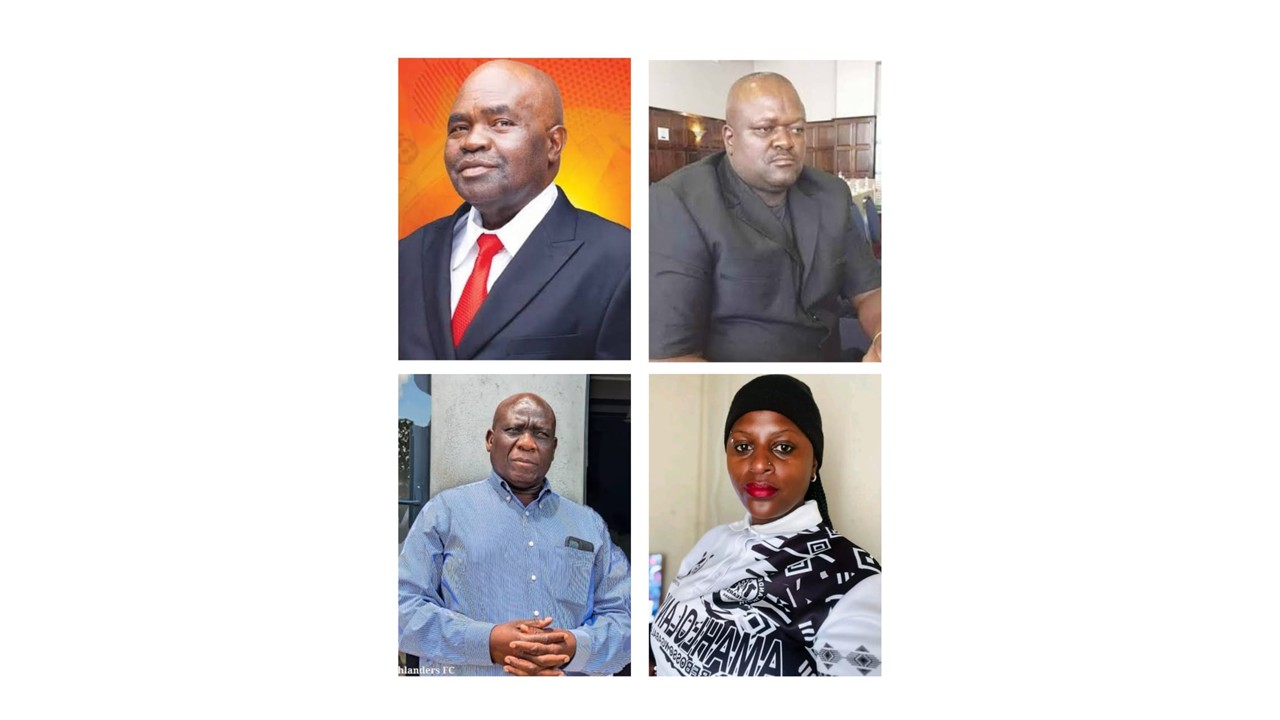
In a letter that has since leaked onto social media, the PSL appealed to Hardrock supporters’ structures for assistance in identifying unnamed individuals appearing in photographs and videos circulating online following the disturbances.
The abandoned encounter, played on May 24, has become the latest flashpoint in growing concerns around crowd violence, stadium security and the overall image of the domestic game.
In the correspondence, the PSL said identifying the suspects would assist football authorities in bringing those responsible to book while strengthening measures aimed at dealing with crowd disturbances at football matches.
“The Premier Soccer League kindly requests your assistance through your structures in identifying the unnamed individuals appearing in the attached pictures and many more visuals circulating on social media taken during the abandoned Castle Lager Premier Soccer League match at Chahwanda Stadium,” reads part of the letter.
“The identification of these individuals will assist the PSL in its efforts to bring these alleged culprits to book and strengthen measures aimed at dealing with violence and crowd disturbances at football matches.”
The league also appealed for additional information and visuals that could assist ongoing investigations into the incidents.
The move signals a tougher and more public stance from football authorities at a time when pressure continues to mount following repeated scenes of disorder at local matches.
But the big question remains is: will this approach work?
On one hand, publicly seeking the identification of suspects may act as a strong warning to supporters who engage in violent conduct at stadiums. Football authorities could argue that the move sends a message that hooliganism is not tolerated and that those responsible can be tracked down through photographs, videos and digital evidence circulating online.
The PSL probably believe involving supporters’ structures creates collective responsibility among fans themselves thereby encouraging self-policing within football communities.
For years, violent incidents at local matches have often ended with general condemnations but little visible accountability for individuals accused of causing chaos. This latest approach appears designed to change that narrative.
One football fan, Tawanda Saruchera, believes the PSL’s move could help reduce violence if authorities follow through with meaningful punishment.
“If people know they can be identified and banned or arrested, some will think twice before causing trouble at stadiums. Football should be safe for everyone,” he said.
Another supporter, Wellington Ncube, argued that the problem goes beyond identifying fans after violence has already erupted.
“The PSL also needs to improve security and organisation at matches. You cannot wait for violence and then start looking for culprits afterwards. Prevention is more important.”
Nkosilathi Dube said supporters also have a responsibility to protect the image of the game.
“We complain about poor sponsorship and lack of investment in football, but scenes like those at Chahwanda scare away sponsors and families from coming to matches. Fans must also play their part,” he said.
The timing of the PSL’s latest move is also significant.
The Chahwanda disturbances have already triggered a chain reaction across local football. Sponsors have publicly condemned the violence, Hardrock FC have suspended chief executive officer Kudzanai Hove pending investigations and football authorities now face growing scrutiny over crowd control measures.
The controversy threatens not only the PSL’s image but also the league’s commercial value at a time when sponsors increasingly expect a safe and professional product.
Critics argue that while individual accountability is important, the bigger issues lie in stadium preparedness, access control, policing and matchday organisation during high-risk fixtures.
The scenes at Chahwanda exposed possible weaknesses beyond fan behaviour.
Before the violence erupted, the stadium had already been overwhelmed by huge crowds attracted by the high profile match between Hardrock and Dynamos encounter and what made the situation worse was that the kick-off was delayed by 20 minutes.
Dynamos had taken the lead through a Misheck Ngwenya own goal before Hardrock fought back through a Wilfred Madzungu penalty in the second half.
Moments later, tensions spilled over as objects reportedly began flying onto the pitch before sections of supporters invaded the field, forcing riot police to intervene. Match commissioner Ruzive Ruzive later confirmed the abandonment of the match.
Still, the PSL appears determined to demonstrate that decisive action is being taken.
With sponsors watching closely and confidence in matchday safety increasingly under scrutiny, football authorities are under pressure to show they can protect the integrity of the league.
The Chahwanda violence may ultimately become a defining moment for how Zimbabwean football deals with hooliganism going forward.
Castle Lager Premier Soccer League Week 15 Fixtures
Fixtures Saturday
Dynamos v Ngezi Platinum (Rufaro Stadium) MWOS v Hardrock (Ngoni Stadium
Sunday
Scottland v CAPS United (National Sports Stadium) Highlanders v Hunters (Barbourfields Stadium) FC Platinum v Herentals (Mandava Stadium) TelOne v Agama (Ascot Stadium) Simba Bhora v Triangle (Wadzanayi Stadium) ZPC Kariba v Chicken Inn (Nyamhunga Stadium)
Monday
Bulawayo Chiefs v Manica Diamonds
(Barbourfields Stadium)
Synonyms for “Sunday”lord’s daysabbathsongs of praiseholy dayday of restSaturdayMondayweekendsabbath day