Online Reporter
Trust Freddy
Zimpapers Correspondent
GOVERNMENT has lauded the private health sector for its contribution to national development, identifying Public-Private Partnerships (PPPs) as the linchpin for achieving universal health access under the National Development Strategy 2 (NDS2).
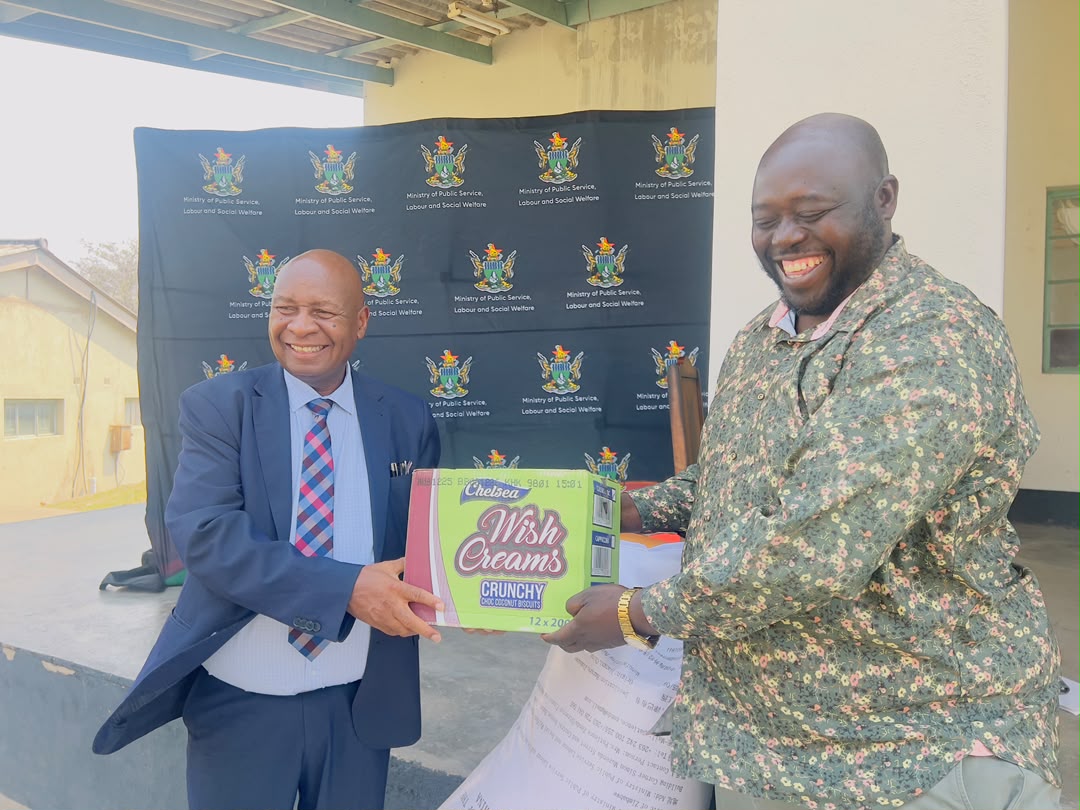
Speaking following a tour of Borrowdale Trauma Centre earlier today, Mr Donald Mujiri, director of public relations in the Ministry of Health and Child Care, said the synergy between the Government and private providers is essential to transforming the country into a regional medical hub.
With the country transitioning toward NDS2 (the 2026–2030 development phase), the Government is prioritising specialised healthcare to reduce the need for foreign referrals.
Mr Mujiri said the collaborative model, which intensified during the COVID-19 pandemic, is now yielding high-tech medical results.
“The Trauma Centre is doing quite well in terms of complementing government efforts,” Mujiri said.
“We have seen services like open-heart surgery, the training of specialists here, and dialysis. It’s impressive, and we look forward to further engagement with the private sector.”
He specifically cited Borrowdale Trauma Centre, Arundel Hospital, and The Avenues Clinic, among others, as critical partners in this national trajectory.
The shift in healthcare quality has triggered a surge in medical tourism, with patients from across the SADC region travelling to seek medical help.
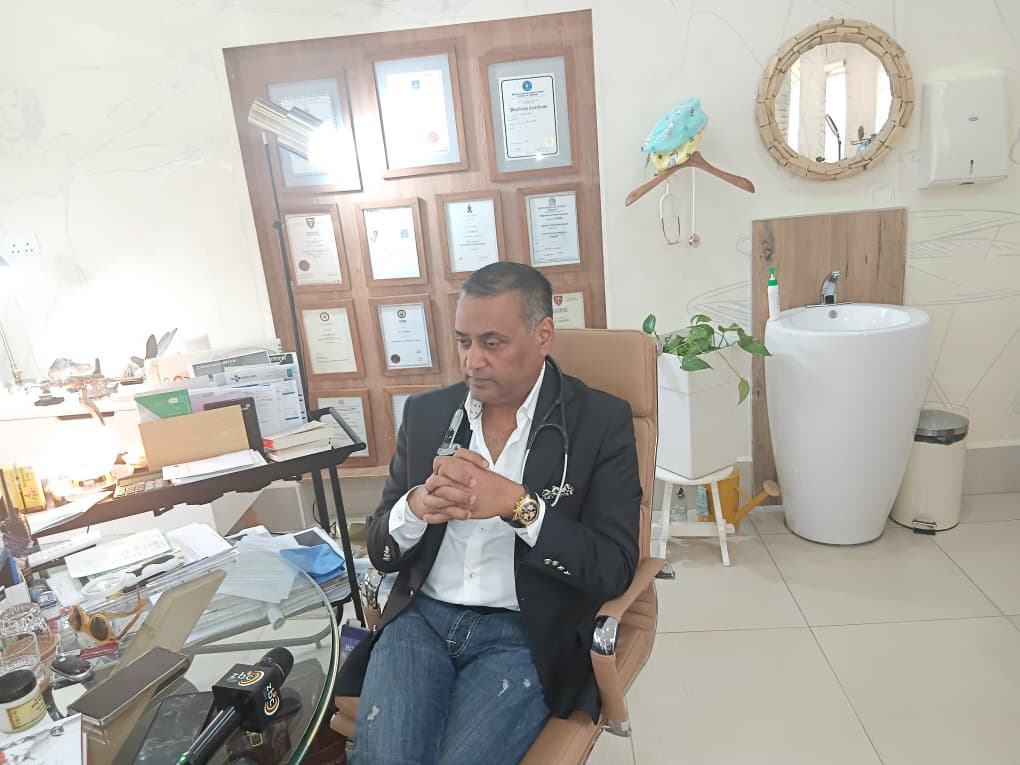
Dr Vivek Solanki, CEO of the Trauma Centre Borrowdale, confirmed that “dozens of people” are now visiting the country for medical reasons, helping Zimbabwe earn much-needed foreign currency.
“We are the only people with a Cath Lab in the whole of Zimbabwe where cardiac stenting is done under angiography,” Dr Solanki revealed.
He also revealed that the expertise is shared; specialists working in the private sector also serve in public hospitals.
“Our doctors’ expertise is also available with the government,” Dr Solanki said. “We help the Government in sourcing correct equipment… the same specialists working with us are also going to be working with them.”
“When a patient walks in here, nobody is going away. We treat them, if they cannot afford it, we stabilise them, we make sure they are alive before they are passed on to the next Government facility.”
Dr Solanki revealed that local experts are performing neuro-calvarium procedures, a specialised service dedicated to correcting scalp deformations in infants.