Online Reporter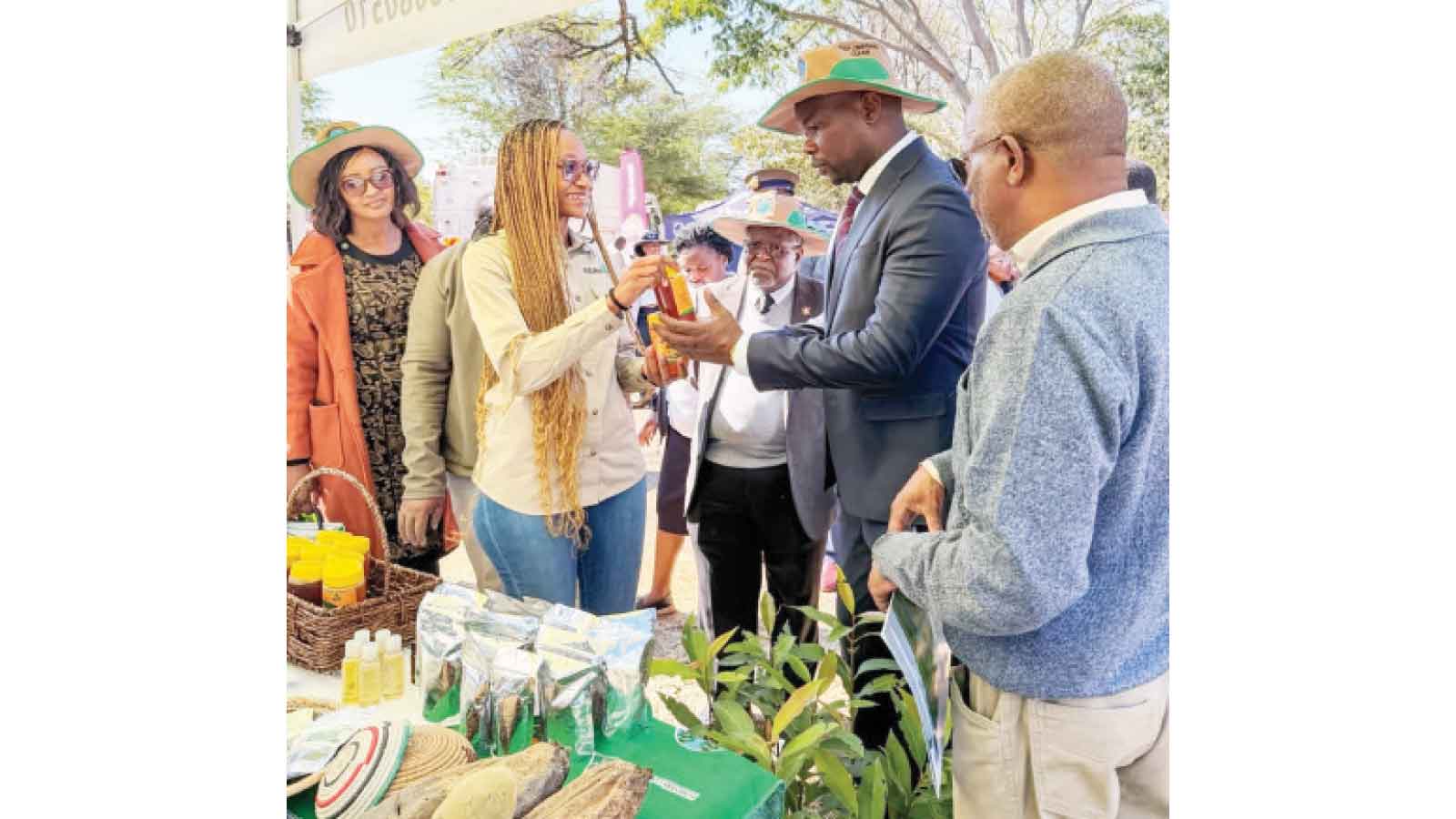
Alicia Kadzviti-Herald Reporter
ZIMBABWE has intensified efforts to combat plastic pollution, with Government, development partners and private players calling for collective action to build a cleaner and sustainable environment.
The call came during the national commemoration of World Environment Day held at Mukuvisi Woodlands in Harare on Friday, where stakeholders gathered under the theme, “A Plastic-Free Environment is Possible: Play Your Part,” to mark the global environmental awareness day, which coincided with the June National Clean-Up Campaign.
Speaking during the event, Acting Minister of Environment, Climate and Wildlife Tino Machakaire said environmental sustainability was no longer optional, but a necessity as climate change continues to affect livelihoods, biodiversity and food security.
“Climate change is affecting rainfall patterns, food security, water availability, biodiversity and livelihoods across the world.
“For Zimbabwe, climate action is about protecting our people, securing our economy, safeguarding our natural heritage and ensuring sustainable development,” he said.
Minister Machakaire described plastic pollution as one of the country’s most pressing environmental threats, warning that improper disposal of waste continues to clog drainage systems, pollute rivers and harm ecosystems.
“This is not merely a slogan, it is a national call to action,” he said.
“Plastic pollution has become one of the most visible environmental challenges of our time. It clogs drainage systems, pollutes rivers, contaminates soils, harms livestock and wildlife.”
Minister Machakaire said Government had already taken decisive measures through stronger environmental regulations, improved waste management systems and recycling initiatives, but stressed that citizens also had a responsibility to protect the environment.
“The environment is not protected by policies alone. It is protected by our behaviour. It is protected by discipline. It is protected by personal responsibility,” the Minister said.
He challenged Zimbabweans to reduce unnecessary plastic use, embrace recycling and become environmental ambassadors in their communities.
In his opening remarks, Minister of State for Provincial Affairs and Devolution for Harare Metropolitan Province Senator Charles Tavengwa urged citizens to adopt sustainable alternatives to single-use plastics and support recycling initiatives.
“Plastic waste remains one of the greatest environmental challenges of our time,” he said.
“Single-use plastics do not fully decompose and continue to accumulate in our rivers, wetlands, landfills and communities, causing serious threats to ecosystems, wildlife and human health.”
Senator Tavengwa said schools and educational institutions had a critical role in instilling environmental responsibility among learners through waste separation, recycling and clean-up campaigns.
He also applauded recycling initiatives in Harare, particularly in areas such as Graniteside, where recovered plastic materials are being transformed into reusable products.
Chief executive officer of Geo Pomona Waste Management Dr Dilesh Nguwaya said modern waste management systems were critical in addressing plastic pollution and improving public health, warning that poor waste disposal continues to threaten ecosystems and urban communities.
“Plastic pollution, illegal dumping and poor waste handling continue to threaten our ecosystems, water systems, urban environments and the health of our people,” he said.
“When waste is not collected efficiently or disposed of responsibly, the consequences are immediate and visible. Communities face blocked drainage systems, contaminated surroundings and declining urban dignity.”
Dr Nguwaya said waste management should no longer be viewed solely as a sanitation issue, but as an important pillar for climate action, economic growth and sustainable national development.
“Waste management is a shared responsibility,” he said.
“Each one of us, whether in Government, business, civil society, schools, households or communities, has an opportunity to assess where we can make the greatest difference in the value chain.”
UNICEF programme specialist Mrs Egline Tauya said climate change was increasingly threatening children’s well-being, warning that young people in Zimbabwe were among the most vulnerable to environmental hazards.
“The Child-Centred Climate Vulnerability Assessment Report of 2024 states that a child in Zimbabwe is exposed to at least one environmental or climate hazard each year,” she said.
“These hazards include floods, droughts, pollution and extreme heat. This means our children are now growing up in conditions that put their health, education and overall well-being at risk.”
Mrs Tauya, however, commended Zimbabwean youths for taking practical action through clean-up campaigns, tree planting and environmental awareness initiatives.
“Young people are showing that action is possible at every level,” she said.
She said UNICEF continues to work closely with Government and partners through programmes aimed at strengthening resilience to climate shocks while empowering children to become environmental stewards.
The commemorations also featured a clean-up exercise, tree-planting ceremony, environmental exhibitions and environmental pledges from various stakeholders, reinforcing calls for collective action in protecting Zimbabwe’s natural resources.