happiness Chikwanha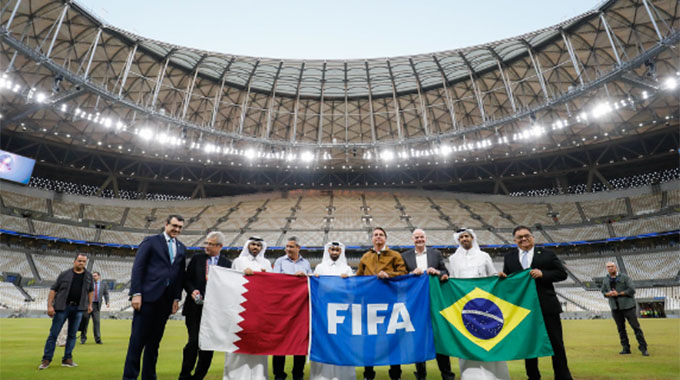
Qatar’s selection as host for the 2022 World Cup has been met with criticism ever since it was announced. Due to the extreme heat in the Persian Gulf country during the summer, the competition moved to the months of November and December, right when the national leagues are in full swing. Competitions within a country may be postponed for up to six weeks if their best players are not present.
It’s still unclear how Qatar, a nation of just 3 million people with no history in soccer, came to be chosen as the host. Human rights organisations have voiced their disapproval of the way foreign workers were treated while constructing the stadiums and hotels for the visiting fans. But that won’t stop the Qatar 2022 Football World Cup in its tracks.
Why Did It Get as Hot as the Gulf in the Bidding?
Allegations of vote-buying have persisted ever since 2010, when soccer’s governing body, FIFA, granted Russia and Qatar back-to-back World Cup rights. After being caught on camera pledging their support for cash, two members of FIFA’s 24-person executive committee that chooses the hosts were suspended prior to the 2010 vote. The French government is still looking into how they got the 2022 World Cup.
In 2020, an indictment was filed in the United States alleging that multiple officials had accepted bribes to support Qatar’s candidacy. In January 2023, their trial will begin in New York federal court. Qatar has denied reports that it paid a fee to secure the right to host. FIFA claimed that organising the tournament in the country was consistent with its mission to popularise soccer in underserved areas of the world.
A Win-Win for Qatar
Qatar hopes that the event will help update the country’s image and establish it as a tourism and economic destination in the region on par with Dubai. The 2018 World Cup in Russia attracted an estimated 3.6 billion viewers across television, the internet, and mobile devices, making it the most-watched sporting event in the world. There is no reason why Qatar wouldn’t want to tap into that market.
That may seem like a lot, but rich natural gas reserves have made Qatar one of the world’s richest countries. Organisers estimate a $17 billion boost to the economy, or around 10% of GDP, in the coming years.
What’s in It for the Audience?
Pleasant weather, for starters, is a huge incentive for tourists to visit this beautiful country. Mid-November sees an average high of 29 degrees Celsius (85 degrees Fahrenheit), with the heat fading away by December. Even though FIFA has pledged to make the 2018 World Cup carbon neutral, some of the tournament’s eight outdoor stadiums are equipped with air conditioning systems. Some fans are being urged to stay in other cities in the region and fly to matches since there is a shortage of accommodation in Qatar. Expanding tourism sounds like a win for football fans too!
Behavioural Protocol for the Tourists
This is a Muslim country, and the dress code reflects that. It’s up to the discretion of the hotel, but in most public places, including shopping centres and airports, both sexes are expected to cover their bodies from the shoulders down. The holding of hands or other public displays of affection are discouraged. The World Cup organisers have promised that tourists will be permitted to drink in specially designated fan zones, but otherwise, alcohol is only served in a select few restaurants affiliated with high-end hotels.
Will that Stop the Fans?
It’s the sport that matters at the end of the day. FIFA has given the fans the opportunity to enjoy the sport on an international scale, and Qatar is happy to host it in 2022.



 Online Reporter