Online Reporter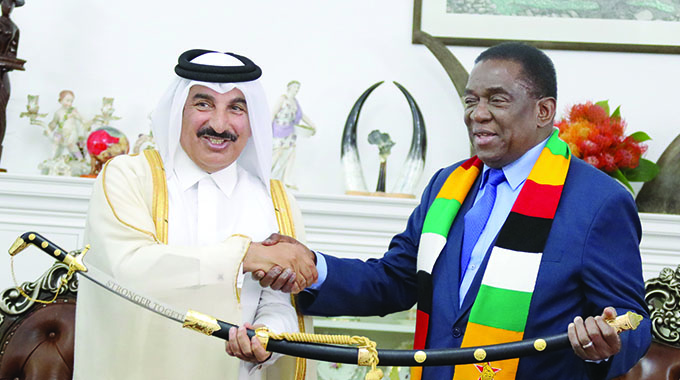
PRESIDENT Mnangagwa’s bold “Zimbabwe is open for business” philosophy is no longer just a slogan; it’s a reality unfolding in real time.
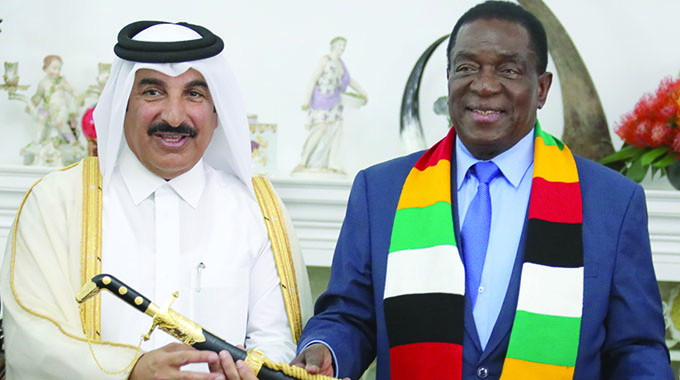
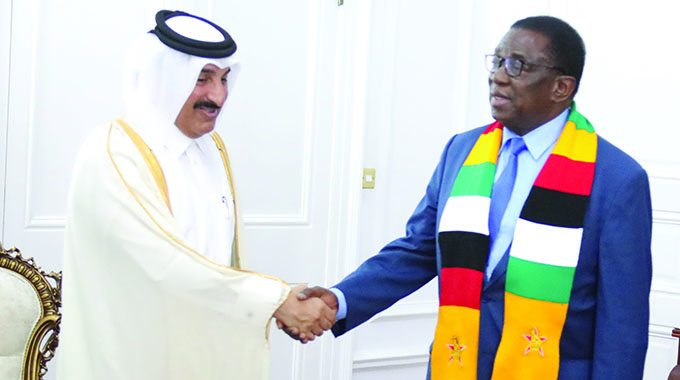
The visit of His Highness Sheikh Mansour Bin Jabor Bin Jassim Al Thani and his distinguished Qatari delegation to State House, is a powerful symbol of Zimbabwe’s rising global profile and a landmark moment in our diplomatic and economic renaissance.
Zimbabwe’s re-engagement strategy, launched under President Mnangagwa in 2017, marked a significant shift in the country’s foreign policy. Branded under the slogan “Zimbabwe is open for business,” the strategy aimed to restore diplomatic ties, attract foreign investment, and reintegrate Zimbabwe into the global economy after years of isolation under former President, Robert Mugabe.
President Mnangagwa’s administration sought to rebuild relationships with Western nations and multilateral institutions, while reaffirming ties with traditional allies like China, Russia and SADC member states.
The Ministry of Foreign Affairs was restructured to include international trade, signalling a direct link between foreign policy and economic development, while a major goal was the removal of Western sanctions and the shedding of Zimbabwe’s “pariah state” image. President Mnangagwa has always emphasised mutual respect, peaceful development, and shared values in his outreach to global partners.
The engagement with Sheikh Mansour Bin Jabor Bin Jassim Al Thani and his delegation reflects Zimbabwe’s growing ties with the Middle East, a region of immense strategic and financial importance.
Qatar, one of the world’s wealthiest nations with a GDP per capita exceeding $60 000, boasts a robust economy driven by natural gas exports, sovereign wealth investments, and a rapidly expanding tourism and infrastructure sector. Strengthening relations with such a powerhouse opens doors for Zimbabwe to tap into high-value investment streams, particularly in tourism, hospitality, energy and infrastructure development.
The delegation’s interest in Victoria Falls signals potential for large-scale tourism infrastructure projects, which could create thousands of jobs, boost local businesses and increase foreign currency inflows.
Formalising bilateral investment agreements will also enhance Zimbabwe’s global competitiveness, improve investor confidence, and diversify the economy beyond traditional sectors.
Moreover, Qatar’s expertise in smart cities, logistics, and sustainable development could help Zimbabwe modernise key sectors and attract further international partnerships.
This visit is more than a diplomatic gesture — it’s a bold step into a future of transformative economic opportunity. It stands as a living testament to the success of Zimbabwe’s re-engagement strategy, turning global goodwill into tangible partnerships.
With Qatar’s interest sowing the seeds of collaboration, President Mnangagwa is cultivating more than just diplomatic ties; he is preparing the soil for a season of shared prosperity.
This partnership is like planting a field together: each side brings its own tools, knowledge and resources, nurturing the land with mutual respect and vision. As the relationship deepens, the roots of trust grow stronger, and the fruits of investment — jobs, infrastructure and innovation — begin to ripen.