

 admin
admin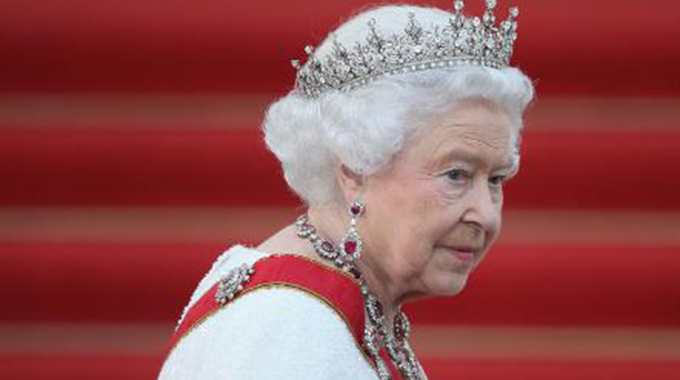
Richard Runyararo Mahomva National Introspection
THE demise of the dynastic head of England, Queen Elizabeth II, on the 8th of September 2022, two days after the commemoration of the third anniversary of the death of our nation’s founding father, Cde Robert Gabriel Mugabe, rendered a paradoxical anecdote of two legacies in conflict being cast to students of global current affairs.
For pan-Africanists, in Cde Mugabe, we remember a liberator who wrestled the many centuries of racist supremacy personified by the late ruler of our colonial surrogate mother state – Britain.
Memories of Queen Elizabeth’s reign are closely intertwined to Britain’s role in Africa’s colonisation, enslavement, dispossession, looting, plunder and genocides.
While England is grief-stricken for the passing on of its maternal figure-head, the Global-South is taken aback at how Britain’s prosperity remains inextricably tied to Africa’s time immemorial underdevelopment.
The continued peripheral placing of African values, cultures and customary law is another evident reminder of the pervasive influence of the queen and her rule on the continent many years after the fall of the last bastion of imperialism – apartheid South-Africa in 1994.
To those of us who have not forgiven the monarchy for its inter-generational atrocities, this is a time for critical assessment of the deep-seated effects of colonialism which Eliza’s crown symbolised.
This is because colonialism was not epochal, but it has been a long sustained reality experienced by the post-colonial world. Therefore, the mourning of the architect of Africa’s misery across the globe is a reminder of the unfinished business of decolonisation.
What Queen, Whose Queen Anyway?
Beyond her personage, the office of the Queen presided over the ugly legacy and custody of the profits of slavery right up to the advent of colonialism.
Every institution whose legitimacy was drawn from colonialism remained subservient to the authority of her office. She was Queen to that club of colonial bona fides in the Commonwealth.
The late Elizabeth was Queen to the commonness of their humiliation, exploitation and dismemberment. After her death, the mandate of that office shall be carried forward by King Charles III.
Therefore, it’s ironic how her death is imposed into the public discourse – particularly in Africa – in a manner that humanises the crown. This is a clear strategy deployed to manufacture a superficial consensus that the late Queen’s reign allowed decolonisation to take place in the 50s across the African continent.
However, this view is incorrect considering that the ultimate quest for independence was inevitable at the behest of the collective African humanist urgency.
In actual fact, the dismantling of the colonial yoke did not need the blessing of the empire. It was the wave of change that made the crown to give concessions to the inevitable reality of decolonisation.
Add to that, there has been no forthright position from the crown on reparations to this day. Without reparations for slavery and colonialism, the choreographed endorsements of the Union-Jack’s fall across the continent can’t be treated as a sincere validation of anti-colonial democratisation which has been coincidentally and conveniently associated with the early years of Queen Elizabeth’s reign.
It was never a matter of resolute policy intentions that our freedom was to be decided from Buckingham Palace.
The resurgent calls for decolonisation have seen civil disobedience taking charge in dispelling the symbols of colonialism even within Europe and Britain in particular.
This saw the fall of the Rhodes statue at the Oxford University some years back. Out of the same measure of shame, anti-monarchist protests have taken place in the UK.
At the time of writing, some have been jailed for placards and slogans “defaming” the reputation of the Queen. This proves that the displeasure in the office of the Queen was not only unique to the post-colonial world.
Instead, her authority was even loathed by her immediate “subjects”. Therefore, if England is repressing any reflective dissent on the legacy of the colonial matriarchy, every other voice outside Europe will be squashed.
However, it must be understood that the ceremonial power of the Queen and its aesthetics form an inherent part of Britain’s identity.
Therefore, it’s normal when some decide to mourn their Queen guided by their patriotic allegiance to the atrocious personality of the crown.
However, for her death to be treated as profoundly accorded importance in Africa is a traumatising reminder of how the institution she served and what it symbolised continues to be imposed on Africans still coming to terms with the aftermath of colonialism.
The trail of structural poverty, marginalisation, inequalities which constitute the many vestiges of British imperialism continue to be ignored in the veneration of the Queen’s royal glamour.
However, in all this, one wonders why her death should be of concern to those still enduring the effects of her monarchy’s wrath.
Let the Dead Bury themselves, Proclaim Engagement and Re-Engagement
Out of sheer ignorance, many of our people shared social media solidarities on the occasion of the Queen’s death.
And then there was so much small talk on social media that President Mnangagwa was not invited to bury the Queen of England. The talk in the streets was that President Mnangagwa’s invitation omission gestured Britain’s displeasure in him.
While this was used for some shallow political agenda setting, one wonders if there’s any reward for an African head of state to be loved by a colonial monarchy.
It is inconceivable that we have people who think that attending the burial of a monarchist in this day and age asserts a degree of importance to a Head of State mandated to deal with “living” concerns of a state and “living” welfare needs of a people who have suffered decades of British colonial decimation of our sovereignty and dignity.
The fixation on a dead monarchical ruler by anti-ZANU PF polemics brings to mind the words of Jesus Christ who says: “Let the dead bury the dead”. The British’s bereavement came after President Mnangagwa was already scheduled to attend the United Nations (UN) General Assembly to pursue his routine engagement and re-engagement business.
Besides the pedestrian demands that he should be mourning the late Elizabeth, it’s obvious that he has “living” national interests to take care of at the UN summit.
Therefore, while ” . . . the dead bury themselves”, state interest must be kept alive. Let those in the Commonwealth mourn their majesty! It’s their sovereign obligation to do so.
We have a nation to rebuild from the ruins of colonialism and all its institutional residues. What does it profit for an entire Head of State to go and bury some old woman from England when Zimbabwe has sanctions to fight?
Richard Runyararo Mahomva (BSc-MSU, MSc-AU, MSc-UZ) is Director for International Communication Services in the Ministry of Information and Publicity. He writes in his personal capacity. Feedback: Twitter: @VaMahomva ; Email [email protected].



 Online Reporter