Online Reporter
Queen Mother Ntombazi has been referred to as “one of the most influential women in the pre-Shakan and Shakan eras.” From 1750 to 1820, the Ndwandwe kingdom was a dominant force in the area now known as KwaZulu Natal.
The kingdom sought to dislodge the much larger Mthethwa confederation under Kings Dingiswayo.
However, in present day history conversations, the Ndwandwe Kingdom is almost entirely forgotten and its role has often been overshadowed by the successor Zulu state, established and led by King Shaka kaSenzangakhona.
Queen Ntombazi was the daughter of the Ntshalintshali, who married King Langa kaXaba. She gave birth to an heir by the name of Zwide, who grew up to rule his father’s kingdom.
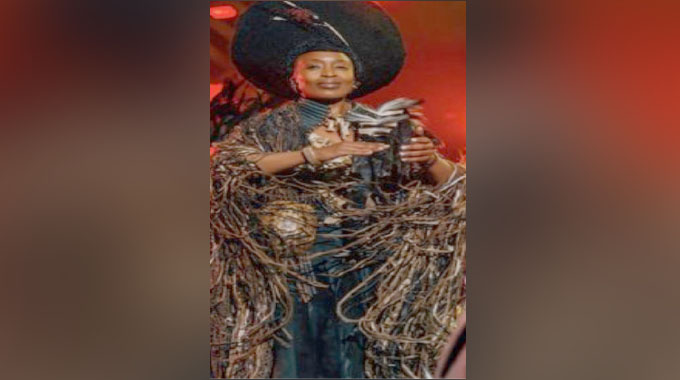
As the Ndwandwe kingdom grew and expanded, it became a fierce threat to other neighbouring kingdoms, especially the Mthethwa confederation under King Dingiswayo and the Swati of King Sobhuza, who had to relocate further inland.
During King Zwide’s reign, his mother Queen Ntombazi played a critical role as his political advisor, diplomat and strategist in the expansion of the Ndwandwe kingdom. Queen Ntombazi advised her son on how to grow the Ndwandwe kingdom and manage his rivals. Her main goal was to ensure that the Ndwandwe controlled the lucrative trade routes to the Delagoa Bay. Ndwandwe strength grew with their control of trade in the region.
Queen Ntombazi is often portrayed as a kingmaker, who secured her son on the Ndwandwe throne and used dark magic to make sure that her son King Zwide became the most powerful king. Most historical narratives are obsessed with the theme of dark magic and sorcery whenever Queen Ntombazi is mentioned. This often downplays her wisdom, intelligence and vision for a united Bantu empire in Southern Africa.
My view is that Queen Ntombazi is in the same league as other female luminaries like Regent Mantathisi of the Batlokwa, Queen Regent Mnkabayi of amaZulu and later, Queen Regent Novimbi okaMsweli also of amaZulu; Queen Mother Mncengence Khumalo of the Ndebele of Mzilikazi and Queen Regent Lozikeyi Dlodlo also of the Ndebele of Mzilikazi.
These women challenged misconceptions propagated through feminist and colonial thinking that African women were victims of patriarchal oppression, since time immemorial and did not exercise power and authority in their respective societies.