


 Online Reporter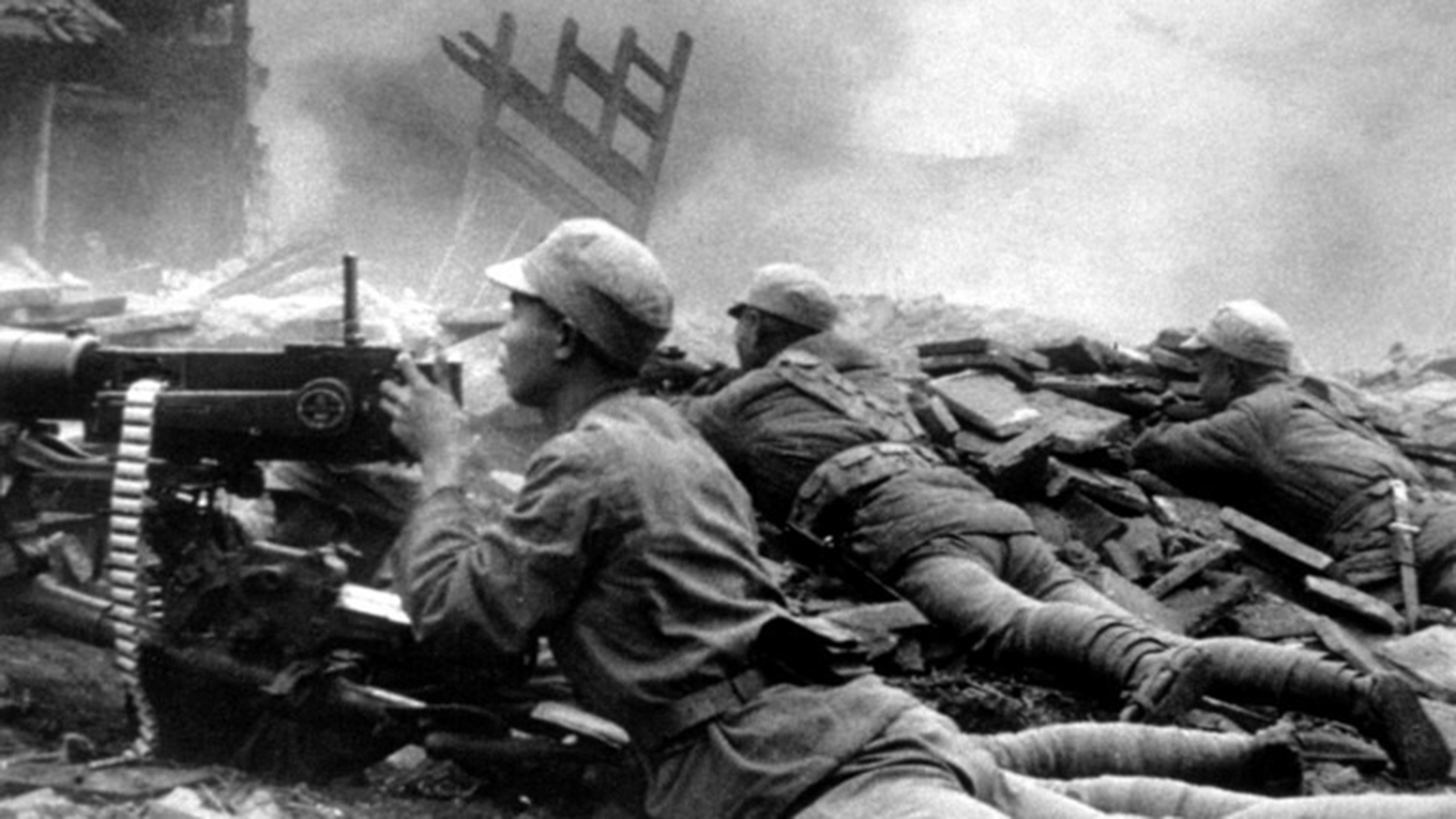
The commemoration holds multiple layers of significance, both domestically for China and for its message to the world.
- Historical Significance: Reaffirming the Narrative and Sacrifice
Acknowledging Immense Suffering: It serves as a solemn reminder of the tremendous cost of the war for China. The official figure cites over 35 million military and civilian casualties, making its suffering one of the greatest of any nation in WWII.
Correcting Perceived Historical Oversight: There is a strong sentiment in China that its pivotal role in WWII has been underappreciated in Western historical narratives, which often focus on the European and Pacific theatres. This anniversary is a platform to assert China’s central place in the history of the war.
- Domestic Significance: Fostering National Identity and Patriotism
Patriotic Education: The commemoration is a cornerstone of China’s patriotic education campaign. The narrative of resisting foreign aggression and achieving ultimate victory under immense hardship is used to foster national pride, unity and loyalty to the party that portrays itself as the leader of that resistance.
The “National Spirit”: The war is presented as the ultimate test of the Chinese nation, whose spirit of perseverance, sacrifice and unity led to victory. This spirit is invoked as a model for overcoming modern challenges.
Legitimisation of the CCP: The narrative strongly emphasises the role of the Chinese Communist Party as the “core” and most steadfast force in the resistance, bolstering its historical legitimacy and current authority.
- Asserting a Global Leadership Role
By staking its claim as a major founding member of the post-war world order and a key victor in WWII, China reinforces its position as a major global power with a rightful say in international affairs.
- Moral Significance: A Stand Against Historical Revisionism
Vigilance Against Resurgent Militarism: The commemoration acts as a direct counter to what China perceives as historical revisionism or the whitewashing of wartime history in Japan (for example, controversies over textbook accounts, visits to the Yasukuni Shrine).
A Universal Stance Against Fascism: By linking its own war with the global anti-fascist struggle, China aligns itself with a universal moral victory, framing its past struggle as part of a global fight for justice and against evil.



