Online Reporter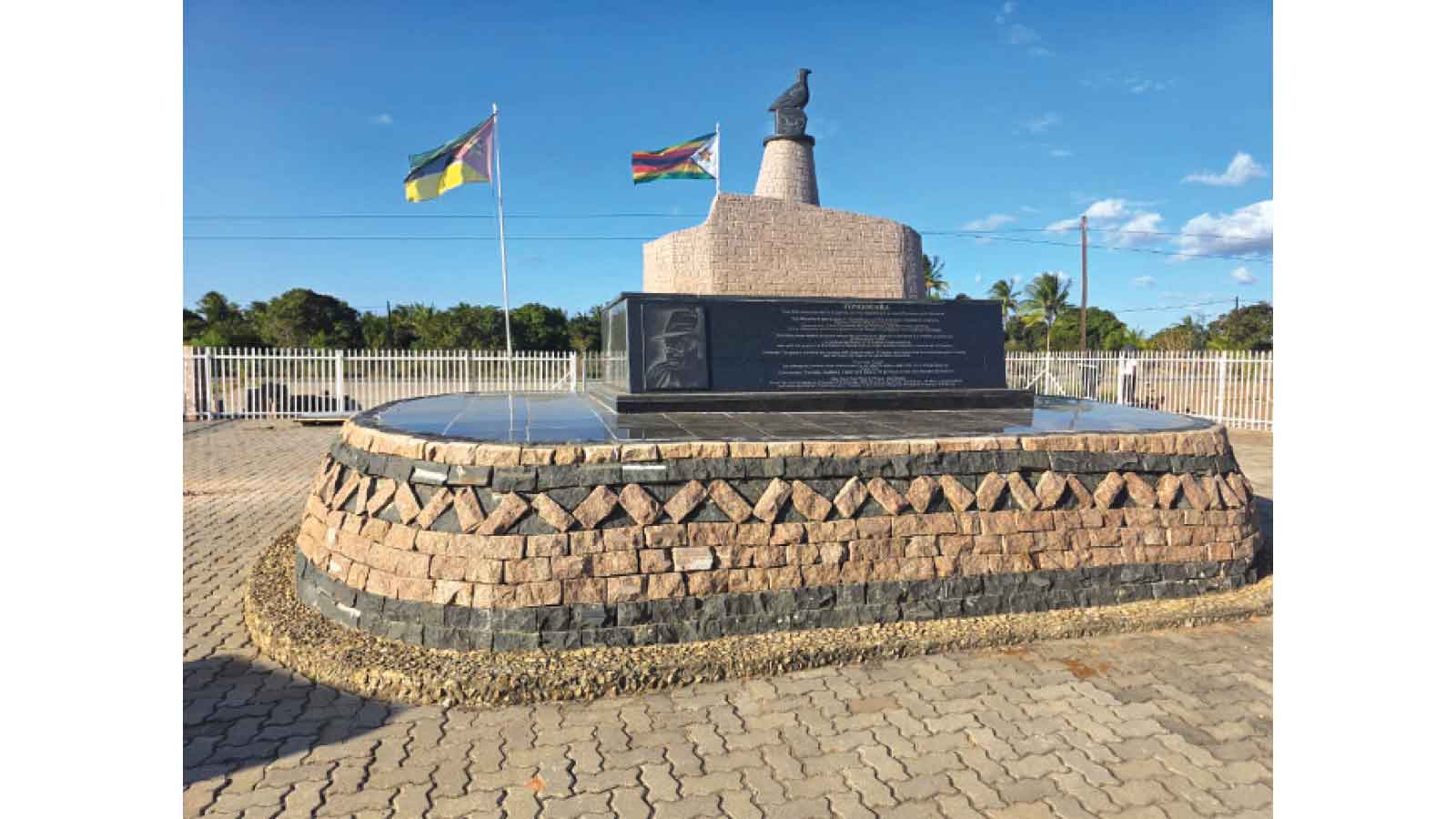
Joseph Madzimure
Zimpapers Politics Hub
AS Zimbabwe prepares to commemorate the 46th Heroes Day this week, a quiet transformation is taking place at the nation’s most sacred ground.
The National Heroes Acre in Harare, the final resting place of the country’s liberation icons, is undergoing an expansion that speaks to broader questions of memory, heritage and how nations choose to honour their past.
The project, now 75 percent complete, represents more than the creation of additional burial space.
It signals an ongoing commitment to ensuring that the stories of those who fought for Zimbabwe’s independence remain physically anchored in the national landscape, accessible to generations who did not experience the liberation struggle firsthand.
In an interview with The Sunday Mail, National Museums and Monuments of Zimbabwe (NMMZ) curator Ms Rumbidzai Bvira said construction work was progressing according to schedule and is expected to be complete in October.
“I can confirm that the extension work at the national shrine is at 75 percent completion. We are expecting the project at the site to be completed in October this year,” she said.
The expansion, however, is not expected to alter one of the shrine’s most recognisable features.
The site’s iconic AK-47 rifle design, visible from the air and symbolic of the armed liberation struggle, will be retained. It is a deliberate architectural choice that underscores the centrality of the liberation war in Zimbabwe’s national identity — a reminder that the country’s independence was won through sacrifice and armed resistance. Since its establishment, 210 national heroes and heroines have been laid to rest at the shrine, while five others have undergone exhumation and reburial at the sacred site.
Each burial, conducted with full military honours, reflects the nation’s gratitude to individuals whose contributions to the liberation struggle, nation-building and development earned them the highest posthumous recognition.
Beyond the expansion works, Ms Bvira said the NMMZ had intensified efforts to preserve Zimbabwe’s liberation heritage through the upgrading of liberation war shrines in Mozambique and Zambia, rehabilitation of provincial heroes acres and preparations for the commissioning of the Josiah Magama Tongogara Monument.
She said the organisation continues to identify, document and develop liberation war sites across the country to ensure the stories of Zimbabwe’s fallen fighters remain alive.
“The liberation struggle is an important component of Zimbabwe’s heritage and must be preserved for future generations,” she said.
This preservation effort extends beyond the capital.
Under the Government’s heritage programme, the NMMZ has been working with regional partners to maintain shrines in neighbouring countries that hosted Zimbabwe’s liberation movements during the war.
The establishment of liberation war museums in Mozambique and Zambia proves that the fight for freedom crossed borders; it was a regional endeavour, and its remembrance must be similarly shared. The National Heroes Acre itself, perched on a 57-hectare hill overlooking Harare, was conceived shortly after independence in 1980. Its creation was intended to provide a permanent resting place for distinguished sons and daughters of the soil. Construction began in the early years of independence and the shrine was officially opened in 1982. Designed by architects from the Democratic People’s Republic of Korea (North Korea), with local Zimbabwean artisans and engineers contributing to its realisation, the site is a fusion of international technical expertise and local cultural expression.
The complex is as much a work of art as it is a burial ground.
Its most striking feature is the towering Eternal Flame, burning above the shrine as a symbol of the enduring spirit of those who fought for freedom.
Below, terraced burial platforms are arranged in the outline of an AK-47 rifle — a deliberate tribute visible only from above. Towering bronze murals depict the phases of Zimbabwe’s liberation struggle, from colonial oppression and resistance through to the triumph of independence.
For many families whose loved ones fell during the liberation struggle and whose remains were never recovered from battlefields in Zimbabwe and neighbouring countries, the shrine also serves as a place of collective remembrance. The heavy human losses suffered during the Second Chimurenga made it impossible to repatriate every fallen combatant. Memorials were established both within Zimbabwe and in neighbouring countries that hosted liberation movements, giving communities places to mourn and honour those who never returned home.
Today, the National Heroes Acre serves a dual purpose.
It is both a final resting place and a living classroom, where thousands of learners, researchers, tourists and ordinary Zimbabweans gather each year to deepen their understanding of the country’s liberation history.
It is a place where the abstract idea of sacrifice becomes tangible, etched into stone, bronze and the national consciousness.
As Zimbabwe marks Heroes Day this week, the ongoing expansion of the shrine offers an opportunity for reflection — not only on the individuals lying there, but on how nations remember, and why that remembrance matters.
The liberation story is not confined to history books.
It is preserved in monuments, memorials and the collective memory of a people.
The expansion of the National Heroes Acre ensures that this story continues to be told, and that the courage, sacrifice and patriotism of Zimbabwe’s liberation heroes remain an enduring part of the national narrative.