

 admin
admin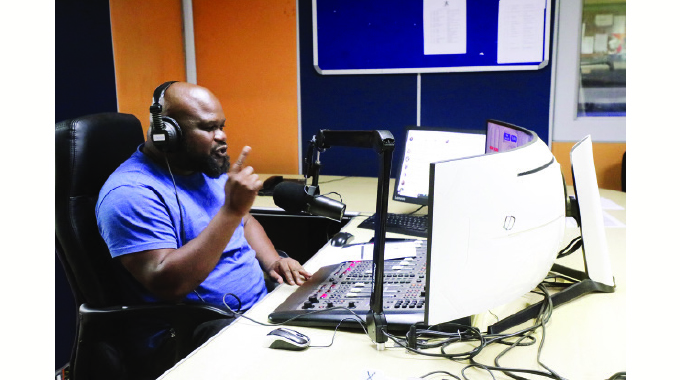
Radio and Peace
February 13 is World Radio Day.
On World Radio Day 2023, UNESCO highlighted independent radio as a pillar for conflict prevention and peace-building.
An armed conflict between countries or groups within a country may also translate into a conflict of media narratives.
The narrative can either increase tensions or maintain conditions for peace.
In reporting and informing the general public, radio stations shape public opinion and frame a narrative that can influence domestic and international situations and decision-making processes.
Increasing radio’s journalistic standards and capacity should be considered as an investment in peace.
Radio in Conflict Prevention and Peace-building
Radio is an important player and an essential part of maintenance and transition to peace.
Professional radio addresses both the root causes and triggers of conflict, before they potentially explode into violence.
It offers an alternative methodology of conflict prevention by clarifying frustrations, or clashes of interest, clearing misunderstandings, and identifying issues of distrust.
This can help counter hate, the desire for revenge, or the will to take up arms.
Radio programmers’ varied collaborative techniques also reinforce a culture of dialogue by means of participatory programmes and formats, such as calls-in, talk shows, listeners’ for among others and give opportunities to discuss — on air and democratically — latent issues, including disagreements.
Professional independent radio, thus, strengthens democracy and provides the foundation for sustainable peace.
Background
Proclaimed in 2011 by the Member States of UNESCO and adopted by the United Nations General Assembly (A/RES/67/124) in 2012 as an International Day, February 13 became World Radio Day (WRD).
Radio is a powerful medium for celebrating humanity in all its diversity and constitutes a platform for democratic discourse.
At the global level, radio remains the most widely consumed medium.
This unique ability to reach out the widest audience means radio can shape a society’s experience of diversity, stand as an arena for all voices to speak out, be represented and heard.
Radio stations should serve diverse communities, offering a wide variety of programmes, viewpoints and content, and reflect the diversity of audiences in their organisations and operations.
Radio is a low-cost medium specifically suited to reaching remote communities and vulnerable people, offering a platform to intervene in the public debate, irrespective of people’s educational level. It also plays a crucial role in emergency communication and disaster relief.
Radio is uniquely positioned to bring communities together and foster positive dialogue for change.
By listening to its audiences and responding to their needs, radio services provide the diversity of views and voices needed to address the challenges we all face. — UN



 Online Reporter