Online Reporter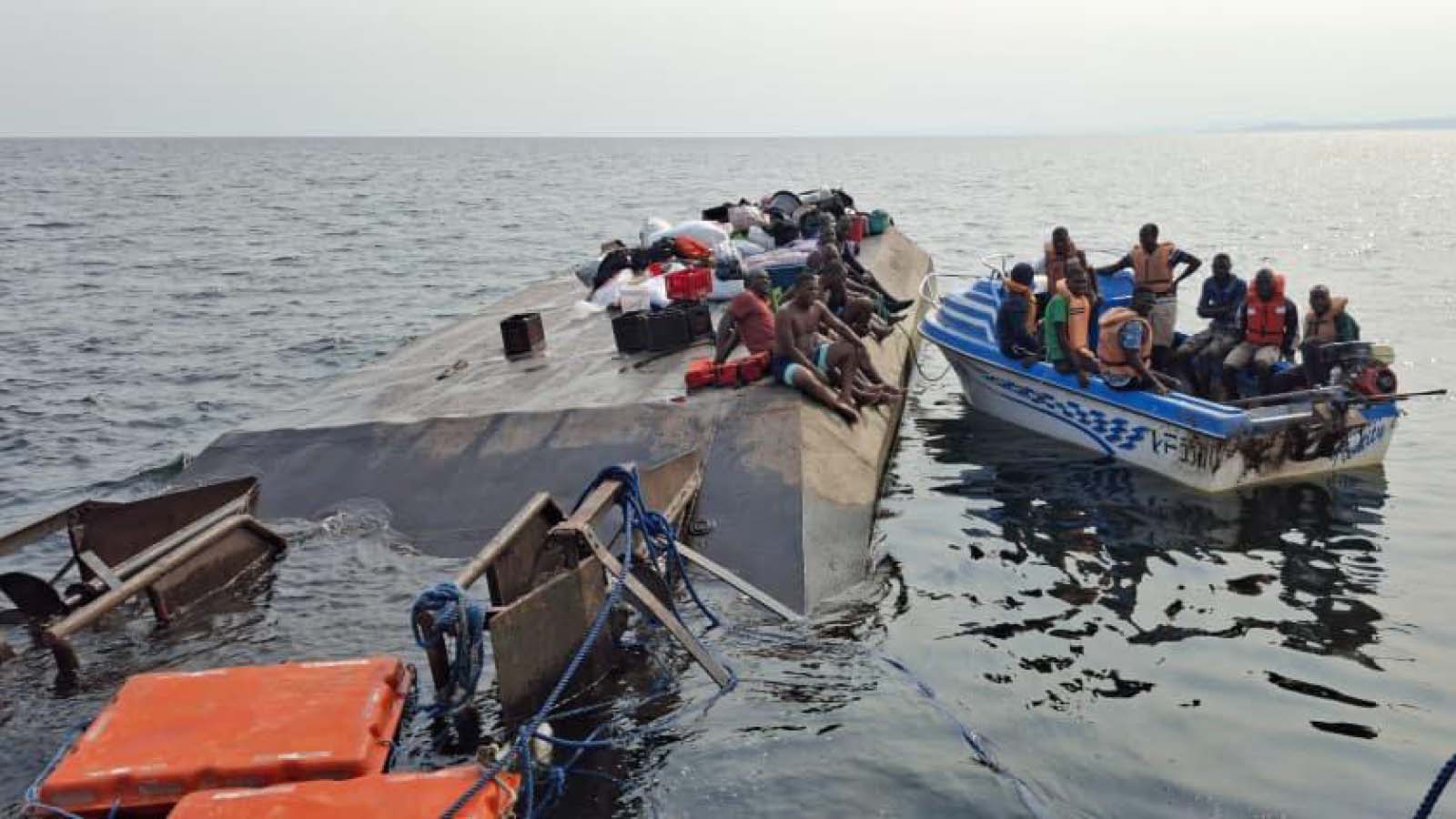
Zimpapers Reporter
FAMILIES and communities affected by the Lake Kariba ferry disaster are set to benefit from a comprehensive package of support measures approved by Cabinet yesterday, as efforts intensify to restore livelihoods, strengthen safety systems and improve disaster preparedness in the area.
The interventions are designed to provide immediate humanitarian assistance to affected families while building the resilience of communities that depend on Lake Kariba for transport and economic activities.
Briefing the media after yesterday’s Cabinet meeting, Information, Publicity and Broadcasting Services Minister Dr Zhemu Soda said the measures focus on humanitarian relief and psychosocial support, recovery and resilience building, transport and infrastructure development and community training in disaster risk reduction.
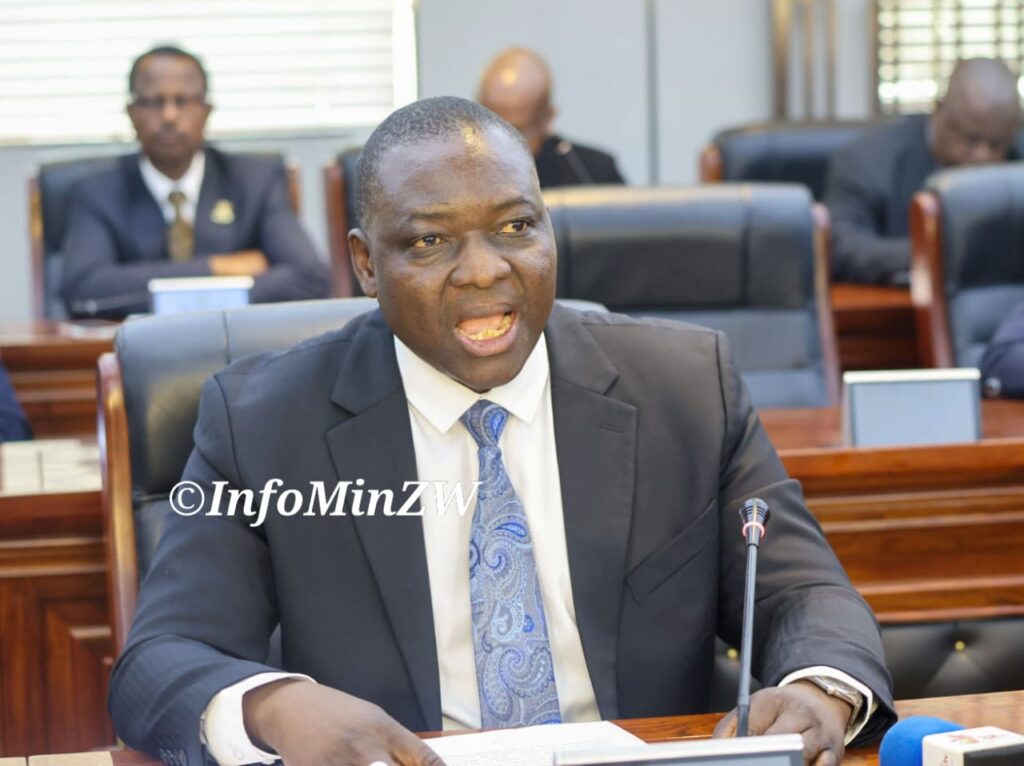
“Efforts under humanitarian relief and psychosocial support include deploying skilled personnel on mental health support, providing emergency supplies, protecting children, and promoting education,” he said.
Minister Soda said the recovery programme would also focus on restoring livelihoods through expanded economic opportunities and vocational training, as well as rebuilding community assets affected by the disaster.
Under the transport and infrastructure component, roads will be repaired, a replacement ferry procured and affordable ferry services introduced for communities that rely on water transport across Lake Kariba.
The programme will also strengthen early warning systems through the installation of weather stations and the deployment of drones and communication equipment to improve monitoring and emergency response on the lake.
“A comprehensive emergency response plan has been prioritised, alongside improving community amenities and access to water and sanitation,” said Minister Soda.
He added that communities living around the lake will receive training in water safety, first aid and disaster preparedness, while resources from the National Civil Protection Fund will be disbursed timeously.
Responding to questions from the media, Local Government and Public Works Minister Daniel Garwe said several ministries were contributing to the response.
He said his ministry had taken responsibility for psychosocial support activities, including the provision of food assistance and access to professional counselling.
“The number of interventions that the Government is putting in place to help families who live in the affected communities is quite significant. Such interventions are coming from various ministries,” said Minister Garwe.
Counsellors have already been deployed through the Ministry of Local Government and Public Works, working together with relevant agencies to provide psychosocial support to affected communities.
Disaster preparedness training was also underway to ensure communities are better equipped to respond to future emergencies.
“We are now conducting training activities for survival in the event of a disaster so that people are prepared to save themselves,” he said.
Minister Garwe said longer-term interventions were also being implemented to help communities become self-sufficient through business units and community-based livelihood initiatives.
On transport, he said the Ministry of Transport and Infrastructural Development was responsible for procuring new boats to replace the one lost in the tragedy and ensure continuity of essential services.
“The Minister of Transport has the responsibility to procure new boats to replace the one that was there. That ensures that activities that sustain people in those communities continue,” he said.
The interventions follow the August 11 capsizing of the Rural Infrastructure Development Agency (RIDA) ferry, commonly known as Mbuya Nehanda, which was travelling from Kariba town to Chalala Fishing Camp.
The disaster claimed 97 lives while 77 people were rescued, making it the country’s worst transport disaster.
President Mnangagwa declared the incident a State of Disaster, paving the way for the mobilisation of resources for rescue, recovery and assistance to affected families and communities.
Beyond the devastating loss of life, the tragedy disrupted a vital transport link for communities around Lake Kariba, many of whom rely on ferry services to access markets, schools, health facilities and other essential services.