Chronicle Editor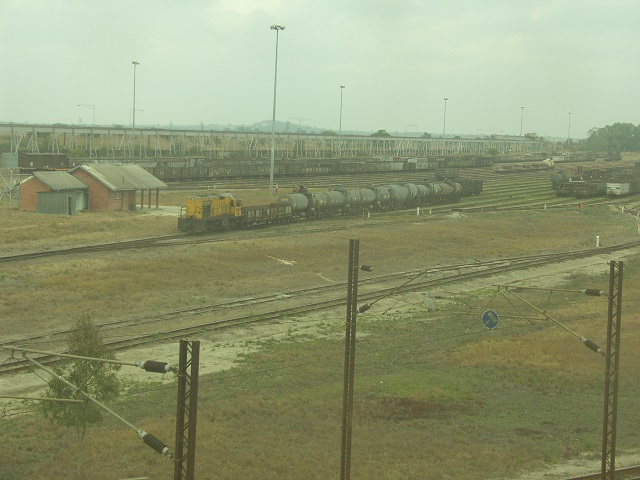
Before the emergence of the railway, it took two months to bring even the smallest goods into Bulawayo from Mafikeng, the point where the railways from Cape Town ended.
During the early days of settler occupation, all goods, from the tiny household gadget to heavy industrial and agricultural equipment was imported and moving goods into the fledgling new colony was a logistical headache as this was done by wagons using either oxen or mules as draught power, a process which was slow, expensive and dangerous.
When the early settlers started developing Bulawayo, they deliberately made the streets very wide to enable a wagon and a full span of 16 oxen to turn around.
Early development of Bulawayo could only take place at the pace at which ox-drawn wagons brought goods.
A fully laden wagon with 3.5 tonnes trudged at 3.5km per hour travelling for eight hours a day.
The distance between Bulawayo and Mafikeng was 850km and this journey took two months.
It was slightly better for passengers coming to Bulawayo on coaches. A daily coach service was available. The coaches carried 12 passengers as well as mail and baggage and were drawn by mules.
Stations were set 25km apart to change the animals and the long journey took up to six days depending on the condition of the mules.
Other haulage options included the mule- or horse drawn cape cart, the scotch cart, mule wagon and donkey wagon.
Following the rinderpest outbreak of 1899 which wiped oxen, the mule became the main source of transport while the donkey was available to those who were not in a hurry to move goods as it covered less than 20km a day.
The urgent need to move goods from the coast to Bulawayo made it imperative to have a railway line that would ensure the quick and cheap movement of both goods and people.



 Online Reporter