Online Reporter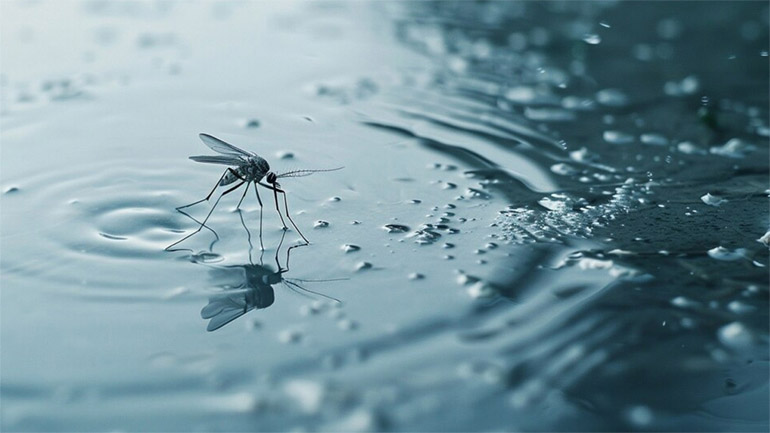
Dr Tendai Zuze
Health Matters
HEAVY rains bring relief to our water supplies and crops, but they also come with a number of health risks that many people overlook.
During this time, it is important for families to be aware of common illnesses that increase when there is a lot of rain, and what can be done to prevent them.
One of the most common problems during the rainy season is malaria. When it rains frequently, water collects in open containers, potholes, and around homes. This stagnant water becomes a breeding ground for mosquitoes.
People may start experiencing fever, headaches, joint pains, and general body weakness.
Malaria can become serious if not treated early, so it is important to get tested as soon as symptoms start.
Sleeping under mosquito nets and clearing standing water around the home can greatly reduce the risk.
Another major concern is diarrhoeal diseases such as cholera. Heavy rains can contaminate water sources, especially wells, boreholes, and shallow “tsime” water.
Flooding can also affect toilet systems, allowing germs to spread easily. People may develop diarrhoea, vomiting, and dehydration. These conditions can become life-threatening, particularly in children and the elderly. Drinking boiled or treated water, washing hands before eating, and ensuring food is properly prepared are simple but effective ways to prevent infection.
Typhoid fever is another illness that spreads more easily during this time.
Like cholera, it is linked to contaminated food and water.
Symptoms include persistent fever, abdominal pain, and weakness. Early medical attention is important to avoid complications.
Skin problems are also common during periods of continuous rain. Wet clothes, damp environments, and poor drying conditions can lead to fungal infections, rashes, and boils.
Children are especially affected, as they often play in stagnant water. Keeping the skin clean and dry, and changing out of wet clothing as soon as possible, can help prevent these conditions.
Respiratory infections such as colds and flu also tend to increase. Cold and damp weather, combined with people staying indoors in close contact, makes it easier for infections to spread. Simple measures like keeping warm, maintaining good hygiene, and avoiding close contact when unwell can reduce the risk.
There are also certain everyday practices that increase the risk of illness during the rainy season. Using unsafe water sources without treatment, sharing washing water, eating unwashed fruits from trees, and poor sanitation practices can all contribute to the spread of disease.
Many of these illnesses are preventable. Small actions can make a big difference: boiling drinking water, using mosquito nets, washing hands regularly, and seeking medical care early when symptoms develop.
For more information, contact [email protected]