Rosenthal Mutakati-Ghetto Blast
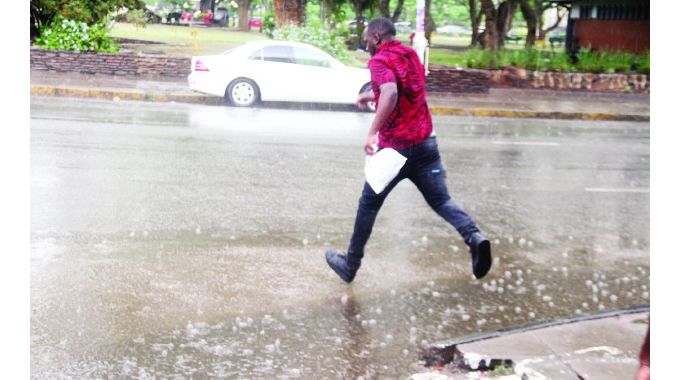
NOW that the heavens have finally opened their floodgates and begun to weep upon the parched earth, a palpable sense of relief washes over the land.
After enduring the dusty embrace of the dry spell, the arrival of the rains feels like a divine benediction. Indeed, every cloud has a silver lining, and in this corner of the world, those linings are richly woven with culinary delights and renewal.
Yet, while we rejoice in the downpours, we must remember that the rainy season is a double-edged sword. Just as a single matchstick can kindle a warming hearth or ignite a devastating inferno, the wet season brings bountiful blessings alongside treacherous hazards that demand our utmost vigilance.
“Mvura naya, naya tidye mupunga (Let it rain, let it rain so we can have rice),” we would sing at the top of our voices during the season of our youth in Glen Norah, a high-density suburb famed for bars and shebeens in South Western Harare. But it was just a chorus with no rice to talk about.
For the discerning palate, the onset of the rains heralds a gastronomic renaissance. As the soil drinks deeply, nature’s larder bursts forth with indigenous delicacies. We are in for a veritable feast as we tuck into vibrant greens that spring up with joyful abandon. Tender pumpkin leaves, known affectionately as muboora, find their way into simmering pots, infused with rich peanut butter to create a dish fit for royalty.
Alongside them, wild amaranth – or bonongwe – offers its earthy goodness, while forest floors yield succulent, edible mushrooms that emerge overnight like little umbrellas of pure flavour. To sit down to a steaming plate of sadza with these seasonal marvels is a taste of paradise.
However, one must not get carried away by the romanticism of drumming raindrops, for the rainy season has a decidedly perilous side. On the untarred, winding stretches of Crowhill in northern Harare, the landscape transforms into an obstacle course of rutted tracks and murky puddles. Here, seasonal joys are dampened by the thoughtless antics of certain motorists.
Take, for instance, the affluent Mr Chakwizira, whose gleaming off-roader treats every rain-filled pothole as a personal launchpad. With cavalier disregard for pedestrians, individuals of his ilk barrel through intersections, sending waves of muddy water cascading onto passers-by. To be caught in such reckless bravado is to have one’s finest attire ruined in an instant.
Beyond the indignity of a mud bath, the wet season wreaks havoc on daily routines and footwear alike. For many women, a sudden cloudburst spells sartorial disaster as rainwater dissolves the adhesive on their shoes, leaving soles flapping open like a yawning crocodile mid-commute.
Even more distressing is the plight of schoolchildren, whose academic futures hang in the balance when torrential downpours flood pathways and swell streams, causing them to miss crucial end-of-year examinations.
The ordeal is exponentially worse for residents living on poorly drained, clay-heavy soils in high-density suburbs such as Budiriro, Hopley, and Tanaka. When the skies open, these areas quickly turn into vast quagmires of thick, clinging mud. To avoid arriving at their workplaces looking as though they had wrestled in a swamp, resourceful commuters are forced to wrap their shoes in plastic bags – a humble yet ingenious makeshift armour – before venturing out onto the roads each morning.
Furthermore, slick tarmac and waterlogged gravel roads are unforgiving taskmasters that punish the ill-prepared. Navigating these conditions requires careful planning and a motor vehicle in tip-top mechanical condition.
To venture out with bald tyres, worn-out wipers, or faulty brakes is akin to dancing on thin ice; it is merely a matter of time before disaster strikes. Complacency behind the wheel during a tempest is a recipe for heartbreak.
Regrettably, the physical elements are not the only threats lurking in the shadows. While honest folk huddle indoors, opportunistic thieves view inclement weather as a golden opportunity to ply their nefarious trade. Using the deafening roar of rain on corrugated iron roofs as an acoustic cloak, these nocturnal marauders prowl neighbourhoods with brazen impunity.
Under the cover of a downpour, they help themselves to whatever is not bolted down – from backyard chickens and guard dogs to garden tools – assuming homeowners, lulled into a false sense of security beneath warm blankets, will never hear a thing.
Therefore, we must heed the warning against slipping into blissful complacency. Forewarned is forearmed, and a stitch in time truly saves nine. We must resist the urge to let our guard down simply because the weather invites us to hibernate. Reinforcing fences, securing livestock, checking vehicle brakes, and preparing contingency plans for school commutes are essential habits that cannot be neglected.
Ultimately, the rainy season is a tapestry of contrasts, demanding both gratitude and prudence. It nourishes us with fine indigenous fare, yet tests our resilience from Crowhill to Budiriro. By embracing the blessings while keeping our wits firmly about us, we can weather every storm safely and savour the very best this glorious season has to offer.
Inotambika mughetto.