daniel chigunwe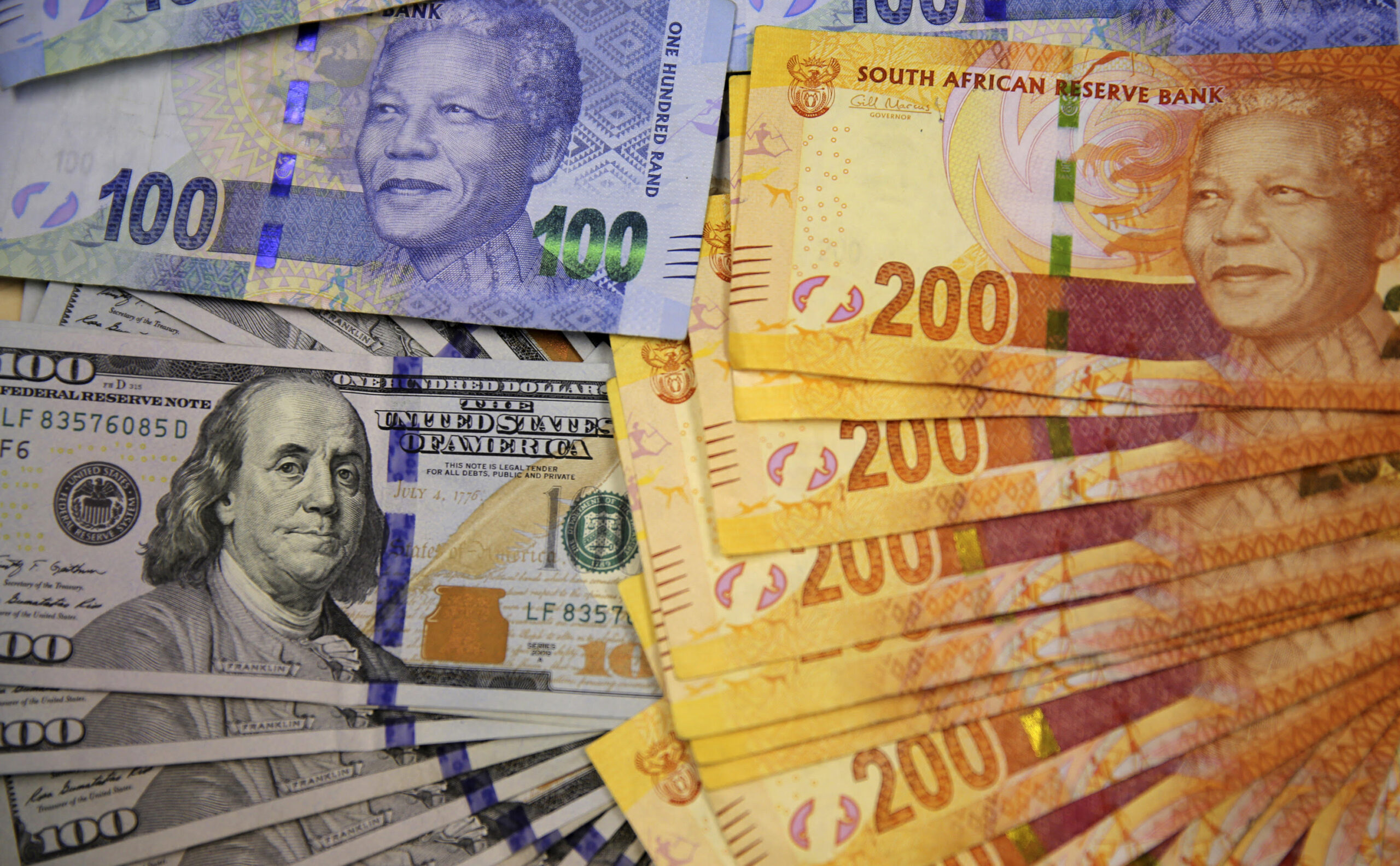
The US dollar edged higher after data showed US housing starts surged, while the Australian dollar fell after its latest central bank meeting minutes showed keeping interest rates unchanged had been under consideration.
US single-family homebuilding jumped in May to its highest in more than a year and permits issued for future construction also climbed, suggesting the housing market may be turning a corner after getting clobbered by Federal Reserve interest rate hikes.
The housing market has taken the biggest hit from the Fed’s fastest monetary policy tightening campaign since the 1980s, but recent data have suggested the worst may have passed.
“It was a big increase in the numbers today, and I think the takeaway is that the market may be paying a bit more heed to the FOMC’s warning this month that interest rates will likely need to be hiked further,” said Stuart Cole, chief macro economist at Equiti Capital.
The rand lost almost a percent against the dollar, to trade at R18,36/$ late on Tuesday.
The euro slipped 0,15 percent to $1.0905 against the greenback after having risen as high as 1,0946 earlier in the session.
Against a basket of six major currencies, the dollar was up 0,22 percent on the day.
Traders will be paying attention to Fed Chair Jerome Powell’s semiannual monetary policy testimony before the U.S. House of Representatives’ Financial Affairs Committee on Wednesday.
“If Mr. Powell remains adamant that the central bank is not done raising interest rates to crush inflation, that could help the dollar stabilise after the big declines we saw last week,” said Joe Manimbo, senior market analyst at Convera.
The Australian dollar was 1,31 percent lower at US$0,676 after minutes from the Reserve Bank of Australia’s (RBA) latest policy meeting showed the RBA’s decision to raise interest rates in June was “finely balanced.”
“The minutes cast some doubt on the outlook for higher rates going forward, so that has weighed on the Aussie dollar,” Manimbo said.
The yuan slipped towards a seven-month low on Tuesday after China lowered its one-year and five-year loan prime rates (LPR) by 10 basis points, the first such easing in 10 months as authorities seek to shore up a slowing economic recovery.
The decision knocked the yuan lower, with the onshore yuan finishing the domestic session at 7,1744 per dollar, the weakest such close since November 28.
The offshore yuan was down 0,3 percent at 7,188 per dollar, languishing near last week’s trough of 7,1916.
“Chinese authorities are concerned about weak growth but are wary about re-inflating the property bubble, so expectations of large stimulus to the property sector might not be met,” said ING global head of markets Chris Turner.
“The market is moving towards the view that fiscal stimulus might be lukewarm and that’s one of the reasons why the renminbi is staying soft.”
Elsewhere, Sweden’s crown dropped 0,7 percent to a record low against the euro at 11,809 per euro as concerns about the property sector have weighed on the currency.
The British pound fell 0,54 percent to $1,2721 ahead of British inflation data on Wednesday and the Bank of England’s interest rate decision on Thursday. — News24.



 Online Reporter