

 admin
admin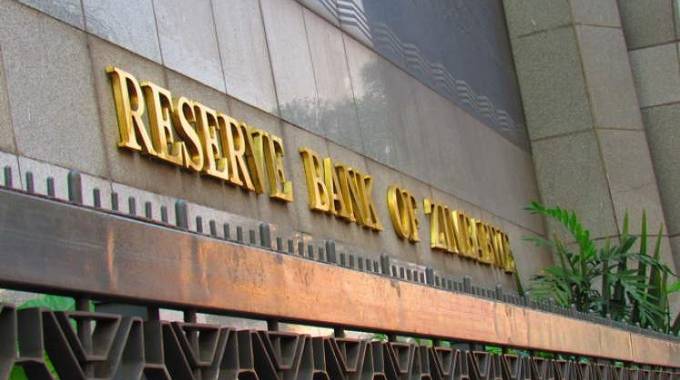
Business Reporter
THE Reserve Bank of Zimbabwe (RBZ) has stepped up plans to create Zimbabwe’s own Central Bank Digital Currency (CBDC) on a phased approach by carrying-out consumer perception surveys.
The bank’s intention to explore the CBDC is in pursuant to the Cabinet decision of November 2021.
This has seen the central bank conducting study tours to countries that are advanced in digital currency endeavours and has developed a roadmap for adoption of CBDC in Zimbabwe.
“The Reserve Bank of Zimbabwe (the Bank) is exploring the possibility of introducing a Central Bank Digital Currency (CBDC) in line with global trends,” said the RBZ in a latest update.
“Accordingly, the Bank is conducting a CBDC Consumer Survey to solicit opinions on the design and nature of the CBDC and its overall acceptance by the public. You are therefore invited to participate in the survey.”
The Central Bank said information to be provided by participants will be treated with the utmost confidentiality and the results will only be used for purposes of research on the design, nature and acceptability of CBDC in Zimbabwe.
The CBDC is a digital form of central bank money that offers central banks unique advantages at the retail and wholesale levels, including increased financial access for individual customers and a more efficient infrastructure for interbank settlements.
In other words, central bank digital currencies are digital tokens, similar to crypto-currency, issued by a central bank. They are pegged to the value of that country’s fiat currency.
The money represents the digital form of a country’s fiat currency. Fiat money is a government-issued currency that is not backed by a physical commodity like gold or silver. It is considered a form of legal tender that can be used to exchange goods and services.
Globally, over 10 countries have fully launched a digital currency, with China’s pilot set to expand in 2023. Nigeria, Africa’s largest economy, launched its CBDC in October 2021.
Countries across the world have different motives for issuing central bank digital currencies, but for the region there are some potentially important benefits. The first is promoting financial inclusion as CBDCs could bring financial services to people who previously did not have bank accounts, especially if designed for offline use.
In remote areas without internet access, digital transactions can be made at little or no cost using simple feature phones.
CBDCs can be used to distribute targeted welfare payments, especially during sudden crises such as a pandemic or natural disaster. They can also facilitate cross-border transfers and payments and could make sending remittances easier, faster, and cheaper by shortening payment chains and creating more competition, among service providers.



 Online Reporter