admin
admin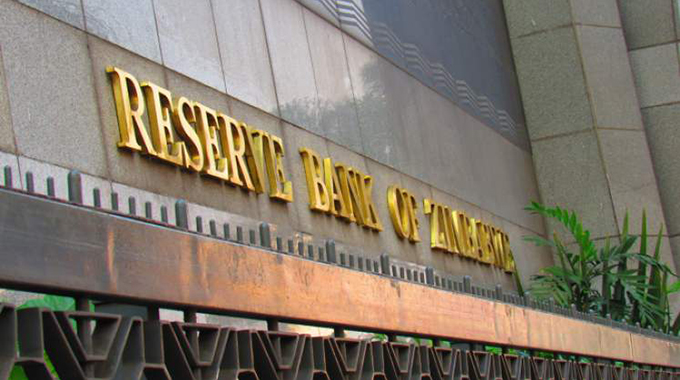
HARARE – The Reserve Bank of Zimbabwe (RBZ) said on Tuesday it will introduce new bank notes by mid-next month as it moves to end long running cash shortages in the economy.
Zimbabwe has endured cash shortages for years, a situation that led to the birth of a thriving parallel market bank note selling business at premiums of up to 50 percent of the value of a physical bank note.
In addition, the shortage also led to the creation of a multi-tier pricing system in the economy, depending on the mode of payment.
This pushed up the cost of goods and services, and ultimately stoked up inflation in the country.
It became particularly acute early this year when the country scrapped the use of the multi-currency system which had been in place for 10 years, dominated by the United States dollar, and re-introduced the Zimbabwe dollar as a mono-currency.
But it did not immediately introduce a new replacement local currency, but instead retained the surrogate bond notes that were in circulation in conjunction with the multi-currencies.
This, central bank governor John Mangudya said on Tuesday, will change in two weeks with the introduction of new $2 and $5 Zimbabwe dollar bank notes, as well as $2 coins.
“Within the next two weeks, they (public) will be having the cash,” Dr Mangudya said, when asked to comment on the introduction of a new currency at the inaugural press conference for the RBZ’s recently commissioned Monetary Policy Committee (MPC).
The central bank, the governor said, was now in the process of following legal and other processes required before introducing the new bank notes, including advertising the notes’ specimen ahead of introduction.
Dr Mangudya said the new currency will have the same value as the old bond notes and coins currently in circulation. The bond coins were introduced in 2014, with the bond notes coming months later.
The central bank boss dismissed speculation that introduction of the new bank notes would drive up inflation.
“I am not sure what type of economics that is, what increases inflation is money supply,” he said.
But to keep inflation in check, and forestall speculative parallel market currency trading, the central bank had avoided printing higher denomination bank notes, Mangudya said.
He said current levels of cash in circulation in the country fell far short of demand, and regional comparisons.
“The Committee (MPC) noted that the level of physical cash in the economy is inadequate to meet transactional demand, considering that the current proportion of cash to broad money supply of four percent is low compared to regional and international levels of 10 to 15 percent,” he said.
“This low ratio has resulted in an undesirable cash premium which the Committee would like to see eliminated.” – New Ziana


 Online Reporter