Online Reporter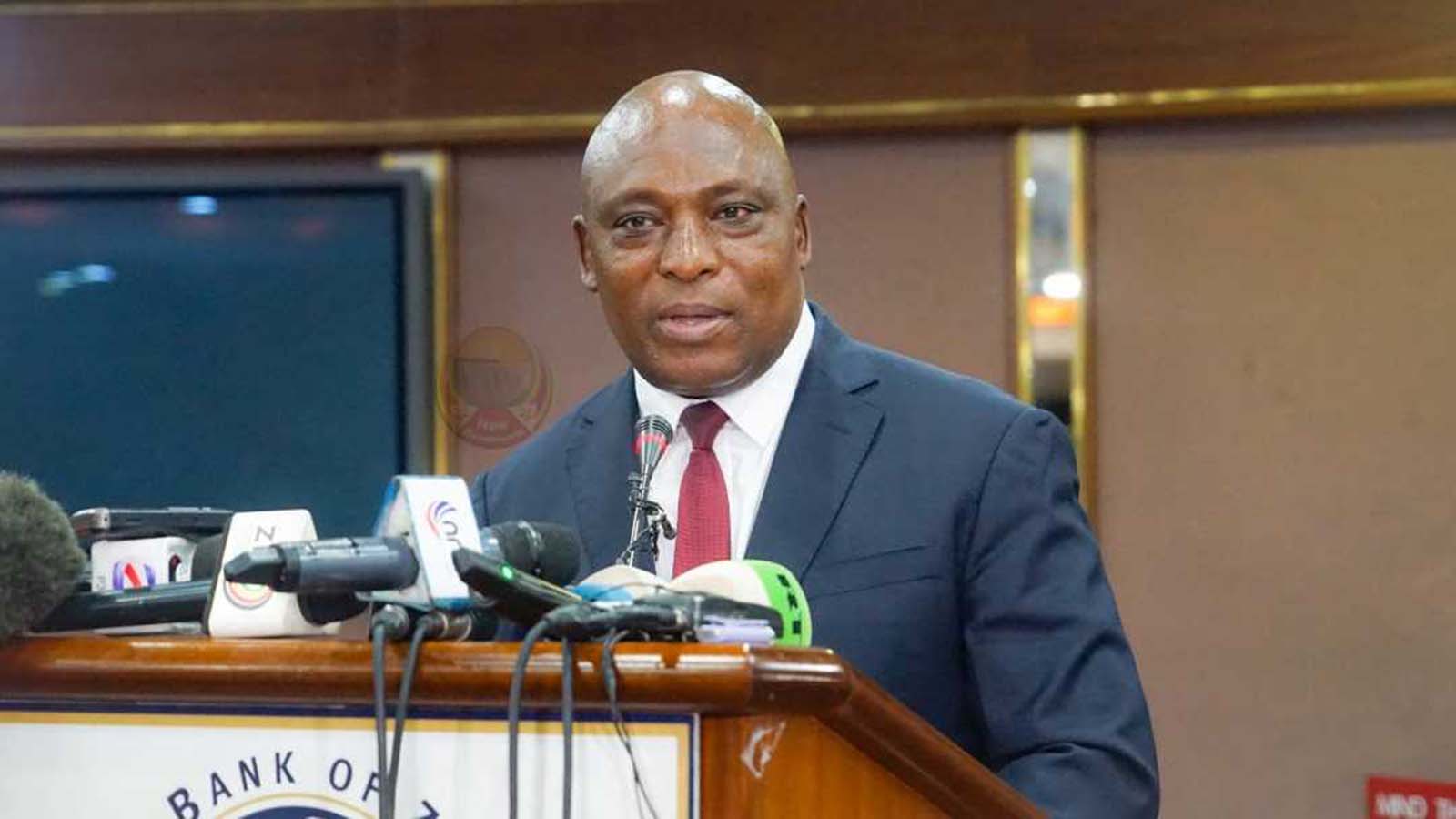
Tapiwanashe Mangwiro
The Reserve Bank of Zimbabwe (RBZ) has cut its benchmark policy rate by 500 basis points, slashing it from 35 percent to 30 percent in what marks the first interest rate reduction since the introduction of the Zimbabwe Gold (ZiG) currency – a milestone signalling growing confidence in the country’s monetary framework.
The Monetary Policy Committee (MPC), which convened on 15 June 2026, announced the cut alongside a reduction in the Targeted Finance Facility (TFF) rate from 20 percent to 15 percent, offering meaningful relief to borrowers in productive sectors, where bank on-lending is now capped at an all-inclusive rate of 25 percent.
Governor Dr John Mushayavanhu was careful to frame the decision in measured terms. Speaking on the rate reduction, the Governor underscored that “the cut reflects the structural shift in inflation dynamics rather than a deliberate loosening of monetary conditions.”
That shift has been dramatic. Annual inflation peaked at a punishing 95,8 percent in July 2025 before cooling to 4,4 percent by May 2026, sustaining single-digit territory for five consecutive months.
Underpinning the decision are foreign currency reserves exceeding US$1,5 billion, surging inflows of US$8,3 billion through May, up 39,1 percent year-on-year, and a ZiG exchange rate holding steady between ZiG25 and ZiG27 per US dollar.
With the economy projected to grow 5 percent in 2026, this rate cut sends an unmistakable signal that the stabilisation story is gaining hard-won credibility.