admin
admin
Africa Moyo recently in BINGA
THE Reserve Bank of Zimbabwe (RBZ) is working towards ensuring that the Real Time Gross Settlement (RTGS) system sends money in five seconds.
This emerged on Wednesday in Binga during a consumer and community engagement outreach programme organised by the Postal and Telecommunications Regulatory Authority of Zimbabwe (Potraz), which also featured the Consumer Council of Zimbabwe (CCZ).
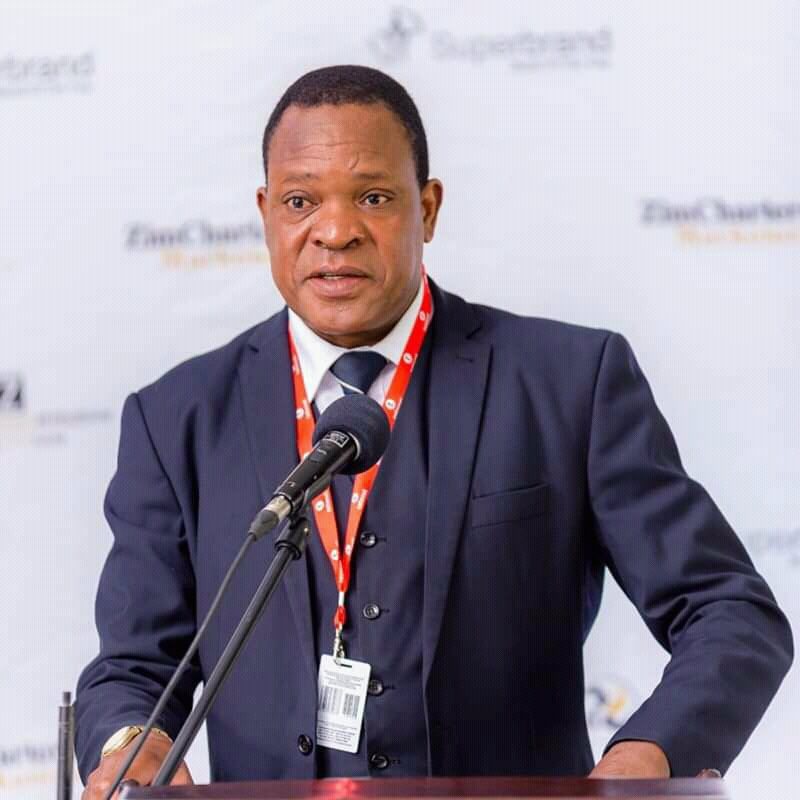
RBZ head oversight and risk management (National Payment Systems financial market) Mr Douglas Muranda, said they want the RTGS system to work efficiently and boost confidence among transacting public.
“If you are paying a lot of money to another person’s account or a company account, we want all that, if all goes well, to happen in five seconds,” said Mr Muranda.
“It’s called RTGS, which means ‘there and there’.
“In the worst case scenario, we want to have a system whereby when one sends money today, the recipient should get the money in an hour or tomorrow.”
This comes as a number of depositors are complaining that they are taking long to receive their money when a transfer has been made.
The challenges followed a stand-off between Payserve Africa and local banks over about US$400 000 owed.
Meanwhile, Mr Muranda said the RBZ was concerned about the high costs being incurred by mobile money users to access physical cash.
“The issue of high (cash out) charges is giving us headaches too.
“It’s illegal and it’s not allowed,” he said.
Mr Muranda said they were working “flat out” to ensure the menace is addressed.
“We hope the situation would be addressed soon, but we are grappling with it.
“It’s an illegal practice and people can report businesses that put a percentage on cash out transactions to the RBZ department called Financial Intelligence Unit.
“You can also report to Ecocash, Telecash and OmeMoney,” he said.
Citizens are being creamed off of their hard earned cash by mobile money transfer agents who are demanding up to 50 percent of the amount one would be cashing out in notes while the premium about 35 percent to access some coins.
Shortages of physical cash in banks, following the practice of hoarding cash by illegal street currency dealers, has exposed people to the unscrupulous dealers.
The consumer and community engagement outreach programme held in Binga was a first if its kind, which falls within the International Telecommunications Union (ITU) standards and recommendations where collaboration of regulators is encouraged.
Zimbabwean authorities have been encouraging the use of electronic money, but demand for cash payments for transport among other demands has seen many people going to the illegal dealers for cash.


 Online Reporter