admin
admin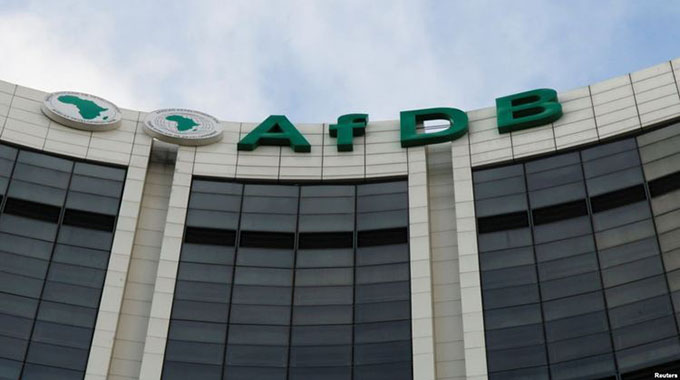
The African Development Bank (AfDB) said on Tuesday Zimbabwe could this year achieve higher than projected growth on the back of positive sentiment following the takeover of a new administration in the country, aided by support from the country’s creditors.
The continental bank had earlier projected a growth rate of 1 percent for the economy in 2018 and 1,2 percent in 2019.
But the takeover of a new government which took over late last year, positive sentiment coming with it and pronouncement of a reformist budget and re-engagement with the international community could yet boost the country’s growth prospects, the AfDB said in its Southern Africa Economic Outlook for 2018.
“The budget presented to Parliament offered glimmers of hope to investors on prospects of new reforms, especially on minimal investment thresholds for external investors. But the economy is still experiencing financial constraints, and debt remains high, with accumulated arrears,” it said.
“So, real GDP (Gross Domestic Product) growth is projected to remain weak at one percent in 2018, with a marginal gain of 0,2 percentage points the following year. This projection could be reversed however, depending on the outcome of the budget pronouncements and the country’s re-engagement with the international community, especially its creditors.”
The Zimbabwean government has forecast economic growth projection for 2018 at 4,5 percent.
The southern Africa region is expected to grow by 2 percent this year, up from 1,6 percent in 2017 and by 2,4 percent in 2019.
AfDB said high fiscal deficits in the region were impeding on growth.
“Governments should put in place measures to improve the mobilisation of domestic resources and funds from the private sector to ensure adequate levels of development spending, stimulate growth and create jobs, especially for young people,” said Stefan Muller, AfDB senior economist for Southern Africa.
The region’s fiscal deficit is estimated to have widened to 5 percent in 2017, with Mozambique, Zimbabwe, Zambia and Swaziland above 7 percent of GDP, with the norm set at 3 percent.
Only Botswana and Lesotho returned to surplus, estimated at 0.3 percent and 0.1 percent of GDP.
AfDB said Zimbabwe and other low income countries in the region such as Malawi and Madagascar should take measures to improve their low tax to GDP ratios through, among others, broadening the tax base through formalizing informal businesses as well as reforming and strengthening tax administrations and tax inspections to ensure tax compliance. – New Ziana.



 Online Reporter