admin
admin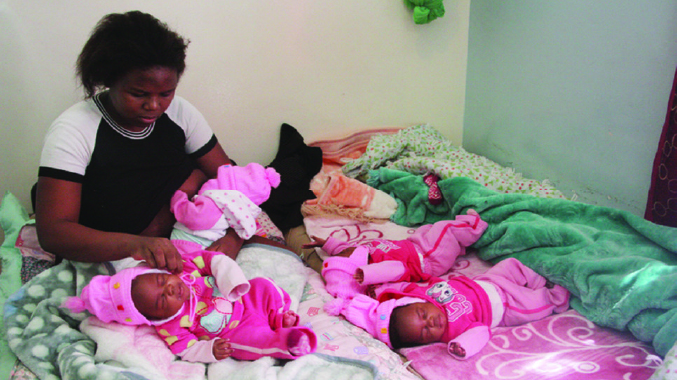
Loice Vavi Health Matters
Introduction
Cesarean section, C-section, or Cesarean birth is the surgical delivery of a baby through a cut (incision) made in the mother’s abdomen and uterus.
1. Labour that is not progressing (labour dystocia) is one of the most common reasons for a C-section
2. The baby is in distress — A low heart rate of the baby may mean that he/she is in distress and a cesarean section can be a best way to deliver and save the baby
3. Previous history of a cesarean section — This is not always a cause as some can deliver normally after one operation. However, a repeat cesarean operation can be an option after weighing the risks and benefits
4. The position of the baby is unusual — Under normal circumstances towards delivery the baby’s head should be down towards the vulva (cephalic presentation), any other position besides this (breech presentation) can be an indication for caesarean section.
5. Position of the placenta — In some women the placenta can be very low encroaching the cervix a condition called placenta previa. In this condition a cesarean section is recommended as a mode of delivery.
6. Umbilical cord prolapse — This condition occurs when the umbilical cord drops through the open cervix into the vulva before your baby moves into the birth canal. This results in compression of the cord leading to reduced blood and oxygen supply to the baby.
7. High blood pressure in pregnancy and its complications — This is one of the commonest indication of a cesarean section in our population. Complications of high blood pressure in pregnancy include and is not limited to fits (eclampsia).
8. Big baby — Babies with a weight of greater than 4,5 kilogrammes are best delivered via a cesarean section to reduce complications like labour dystocia, vulva and cervical tears to the mother
9. Number of babies — If woman is carrying more than a single pregnancy ( twins, triplets etc) a cesarean section can be a best way to deliver the baby
10. Health concern — A C-section may be recommended for women with certain health issues, such as a heart or brain conditions.
What are some of the complications?
Infection. After a C-section, there may be a risk of developing an infection of the lining of the uterus (endometritis), in the urinary tract or at the site of the incision.
Blood loss — A C-section may cause heavy bleeding during and after delivery.
Reactions to anaesthesia — Reactions to any type of anaesthesia are possible.
Blood clots — A C-section may increase the risk of developing a blood clot inside a deep vein, especially in the legs or pelvis (deep vein thrombosis). If a blood clot travels to the lungs and blocks blood flow (pulmonary embolism), the damage can be life-threatening.
Surgical injury — Although rare, surgical injuries to the bladder or bowel can occur during a C-section.
Increased risks during future pregnancies — Having a C-section increases the risk of complications in a later pregnancy and in other surgeries. The more C-sections, the higher the risks of placenta previa and a condition in which the placenta becomes attached to the wall of the uterus (placenta accreta).
A C-section also increases the risk of the uterus tearing along the scar line (uterine rupture) for women who attempt a vulva delivery in a later pregnancy.
[email protected] or 0772224231



 Online Reporter