Online Reporter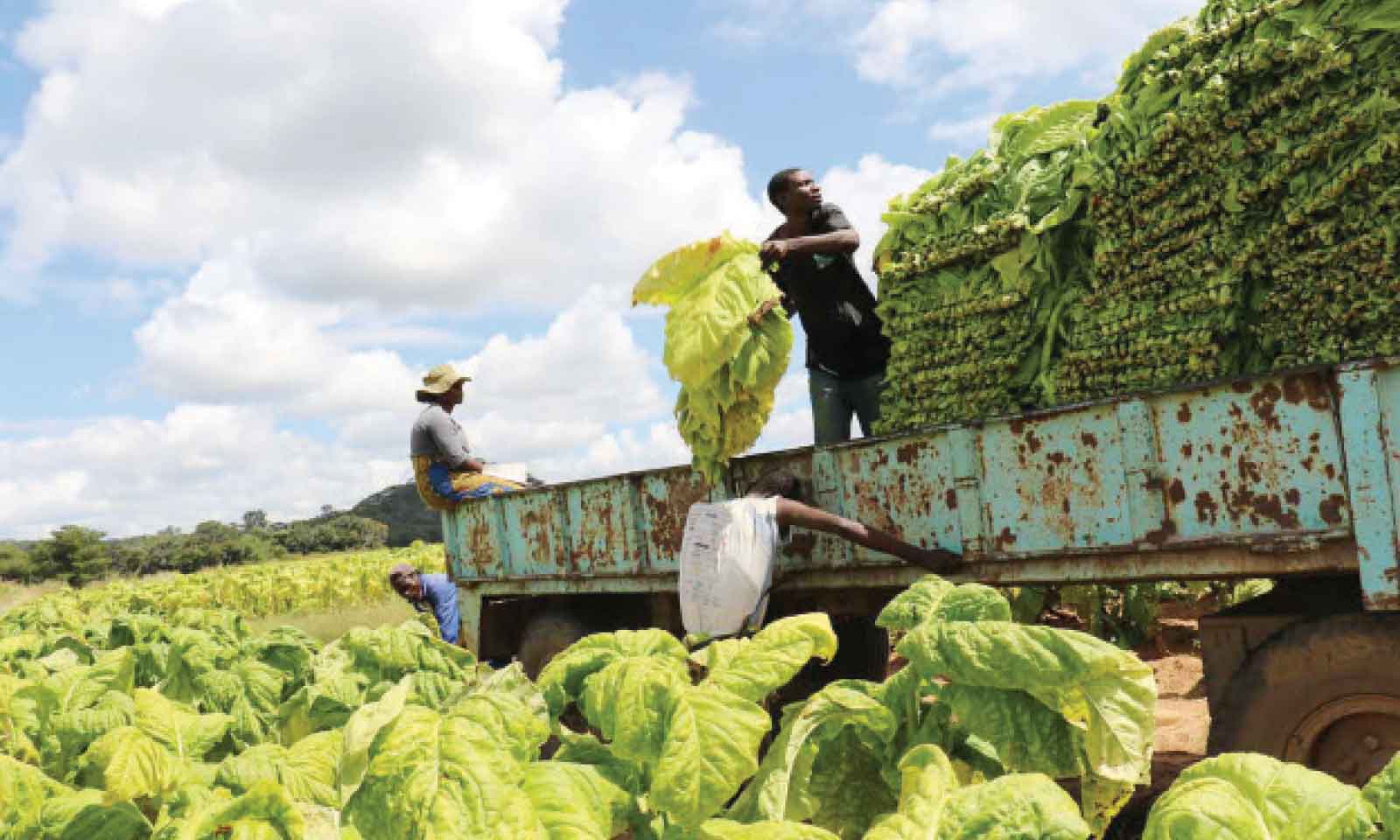
Martin Kadzere
ZIMBABWE has this year recorded exceptional output in key commodities, including tobacco, gold and wheat, thereby creating a robust foundation for sustained economic growth.
Tobacco hit 354 000 tonnes, wheat reached 639 942 tonnes and gold is on track for a record 40 tonnes, collectively strengthening foreign currency earnings.
“This exceptional production performance is precisely what the country requires,” said Mr Tobias Musara, a development economist with a local private university.
“It has decisively proved our capacity for greater output, positioning us on a strong foundation to achieve the goals of Vision 2030 and definitely attain upper middle-income status by 2030.”
Mr Musara noted that improved participation of indigenous people, specifically small-scale miners and farmers at household level, is critical to ensuring broader distribution of wealth.
This leads to economic gains that are directly and noticeably translated into tangible social development, and ultimately improving the well-being of the people.
Tobacco output surpassed last year’s record of 231 000 tonnes, solidifying its position as a key foreign currency earner.
The yield was produced by over 100 000 farmers.
A combination of factors propelled tobacco output to record levels, including improved farming techniques, favourable rainfall and adequate funding packages provided by contractors, Tobacco Industry and Marketing Board chairman Pat Devenish said in an interview in May this year.
He acknowledged that the fundamental transformation of the tobacco sector had successfully modernised some rural households, strategically positioning them for upper middle-income status.
Now, the focus is shifting towards value addition, evidenced by significant interest and investment in new tobacco processing facilities, such as the recently commissioned US$102 million plant by Cut Rag Processors.
Wheat, on the other hand, hit a record 639 942 tonnes, exceeding a target of 600 000 tonnes, and placing Zimbabwe in a likely export capacity, a major step towards reducing reliance on imports.
Zimbabwe requires an estimated 360 000 tonnes to 400 000 tonnes of wheat per year.
Critically, the country now produces high-quality wheat varieties that yield top-grade flour necessary for blending.
Although local wheat is high-yielding, it lacks the specific gluten quality required for optimal baking, which previously necessitated the importation of hard wheat for blending.
The production of high-quality varieties will help bypass that requirement, saving the country foreign currency.
“This represents a dual achievement: attaining self-sufficiency while simultaneously realising import substitution,” stated Mr Nigel Terera, an agro-business analyst with a local non-profit entity.
Gold is on course for a record 40 tonnes, an increase of eight tonnes from the previous year’s record.
Record-high gold prices, driven by geopolitical tensions, central bank purchases and economic uncertainty (such as the impact of United States President Donald Trump’s tariffs), led to record domestic gold output.
Production was further boosted by local policies that formalised artisanal mining activities, introduced cash payments and allowed primary producers to retain 100 percent of their earnings in foreign currency. Analysts view the record outputs in key commodities, coupled with the emerging potential in manufacturing, construction and non-gold mining, as creating a robust foundation for achieving sustained economic growth and diversification.
The country has witnessed robust growth, driven by favourable domestic policies and supported by advantageous global market events.
Analysts say it is critical these gains are strategically sustained to maximise their long-term economic impact.