Reflections on extremism and Mother’s Day: Indonesian experience

I still firmly remember, a message given by my teacher during my high school graduation day: “Bring it with you, and spread it to the world; Indonesia is the smiling face of Muslim.”

Islam in Indonesia grows within the context of 17.000 islands, 700 tribes, and 200 living languages, yet more than two-thirds of Indonesia’s 261.1 million population are Muslims and we are the third largest democracy in the world.

Respect to diversity is the blood of our unity.

I was shattered to learn that on May 13, 2018, in coincidence with Mother’s Day celebration, there were a series of terrorist bombings in three churches in Surabaya, the second largest city in Indonesia.

26 people were killed including the suicide bombers, and around 50 others were injured. It was the first terrorism act in Indonesia, where suicide bombers have involved women (a wife) and children.

President Joko Widodo condemned the barbaric act as not relevant to any religious teaching, beyond boundaries of humanity, which caused victims among innocent community members, police officers and children.
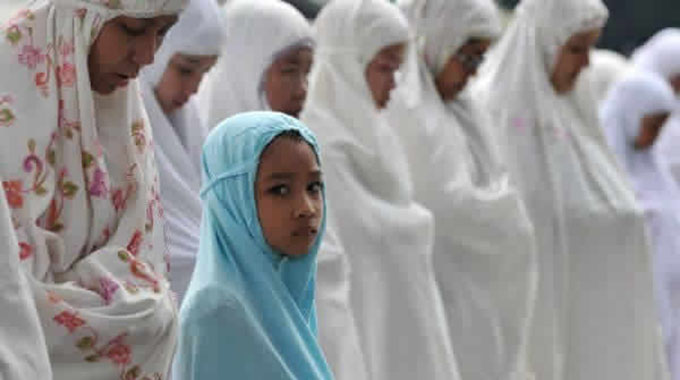
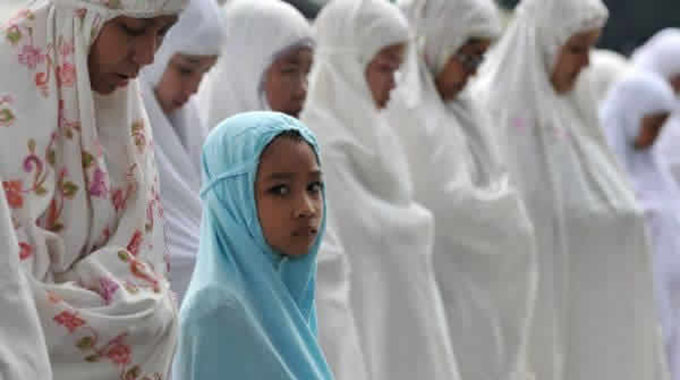
Indonesian women hope for a better future

Moreover, President Joko Widodo called the entire nation to unite in a joint efforts to eradicate terrorism.

It saddened me while at the same time intrigued me to learn that the role of women in terrorist acts has become more prominent, both as targets of these barbaric attacks as well as potential recruits for martyrdom.

I think that it is still safe to say that counterterrorism efforts across the world have not given enough concern to the idea that women can also represent an untapped resource in the fight against extremism.

Despite the fact that those women’s roles could be utilised to transmit the idea of extremism and terrorism to children and other family members, they could also bring the reverse effect, which could shape familial and social norms of the importance of the value of moderation and tolerance.

Women are uniquely placed to effectively challenge extremism. As ascribed in prevailing traditional cultural contexts in many societies, women play important roles as wives, mothers, and nurturers that enable them to some extent to become the custodians of cultural, social, and religious values.

They wield tremendous influence on those most vulnerable to terrorist recruitment: the youth.

The hard approach to target terrorism, such as law enforcement, is insufficient to solve the problems. The cold steel hand of the law should be complemented with a soft approach, which includes de-radicalisation and counter-radicalisation programmes, as well efforts to address the root causes of injustice and inequality that often give birth to extremist and terrorist movements.

In this regard, empowering women is both critical and strategic in promoting good understanding on the dangers of extremism and terrorism, and how to counter them with the application of true religious teachings, moral, and tolerance.

The classic solution would be to extend the reach of higher education to women, emphasising on religious contextualisation.

Government indeed has the responsibility over this matter. These also mean that government must remain committed to securing equal rights for women, and to removing gender discrimination from laws, institutions, and behavioural patterns.

As I continue to reflect on the fact that the Surabaya bombings happened on Mother’s Day, this should be a reminder for us again that the key to counter-terrorism might lie in women.

We can start small by ensuring equal opportunities for all women in our environment.

I like how Michelle Obama put it: “No country can ever truly flourish if it stifles the potential of its women and deprives itself of the contributions of half of its citizens.”

Indonesia is determined to eradicate extremism and terrorism to its root. Allow us to also ensure that nothing changes with Indonesia as we remain open and conducive to engaging in any potential opportunities that lie ahead.

Indonesia is a proud host of the Asian Games that are scheduled to be held in August 2018, and the IMF-World Bank Annual Meeting, which is set to take place in Bali, October 2018.

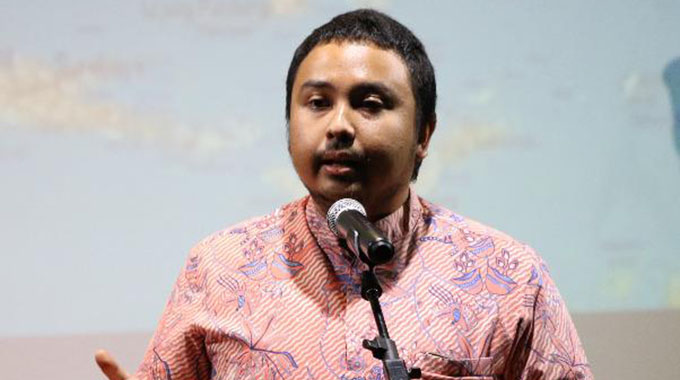
  • About the author: Mr Hutomo Bayu Listyaghi is responsible for Protocol, Consular, Information,  Social and Cultural Affairs at the Embassy of Indonesia in Zimbabwe

Reflections on extremism and Mother’s Day: Indonesian experience

I still firmly remember, a message given by my teacher during my high school graduation day: “Bring it with you, and spread it to the world; Indonesia is the smiling face of Muslim.”

Islam in Indonesia grows within the context of 17.000 islands, 700 tribes, and 200 living languages, yet more than two-thirds of Indonesia’s 261.1 million population are Muslims and we are the third largest democracy in the world.

Respect to diversity is the blood of our unity.

I was shattered to learn that on May 13, 2018, in coincidence with Mother’s Day celebration, there were a series of terrorist bombings in three churches in Surabaya, the second largest city in Indonesia.

26 people were killed including the suicide bombers, and around 50 others were injured. It was the first terrorism act in Indonesia, where suicide bombers have involved women (a wife) and children.

President Joko Widodo condemned the barbaric act as not relevant to any religious teaching, beyond boundaries of humanity, which caused victims among innocent community members, police officers and children.

Indonesian women hope for a better future

Moreover, President Joko Widodo called the entire nation to unite in a joint efforts to eradicate terrorism.

It saddened me while at the same time intrigued me to learn that the role of women in terrorist acts has become more prominent, both as targets of these barbaric attacks as well as potential recruits for martyrdom.

I think that it is still safe to say that counterterrorism efforts across the world have not given enough concern to the idea that women can also represent an untapped resource in the fight against extremism.

Despite the fact that those women’s roles could be utilised to transmit the idea of extremism and terrorism to children and other family members, they could also bring the reverse effect, which could shape familial and social norms of the importance of the value of moderation and tolerance.

Women are uniquely placed to effectively challenge extremism. As ascribed in prevailing traditional cultural contexts in many societies, women play important roles as wives, mothers, and nurturers that enable them to some extent to become the custodians of cultural, social, and religious values.

They wield tremendous influence on those most vulnerable to terrorist recruitment: the youth.

The hard approach to target terrorism, such as law enforcement, is insufficient to solve the problems. The cold steel hand of the law should be complemented with a soft approach, which includes de-radicalisation and counter-radicalisation programmes, as well efforts to address the root causes of injustice and inequality that often give birth to extremist and terrorist movements.

In this regard, empowering women is both critical and strategic in promoting good understanding on the dangers of extremism and terrorism, and how to counter them with the application of true religious teachings, moral, and tolerance.

The classic solution would be to extend the reach of higher education to women, emphasising on religious contextualisation.

Government indeed has the responsibility over this matter. These also mean that government must remain committed to securing equal rights for women, and to removing gender discrimination from laws, institutions, and behavioural patterns.

As I continue to reflect on the fact that the Surabaya bombings happened on Mother’s Day, this should be a reminder for us again that the key to counter-terrorism might lie in women.

We can start small by ensuring equal opportunities for all women in our environment.

I like how Michelle Obama put it: “No country can ever truly flourish if it stifles the potential of its women and deprives itself of the contributions of half of its citizens.”

Indonesia is determined to eradicate extremism and terrorism to its root. Allow us to also ensure that nothing changes with Indonesia as we remain open and conducive to engaging in any potential opportunities that lie ahead.

Indonesia is a proud host of the Asian Games that are scheduled to be held in August 2018, and the IMF-World Bank Annual Meeting, which is set to take place in Bali, October 2018.

  • About the author: Mr Hutomo Bayu Listyaghi is responsible for Protocol, Consular, Information,  Social and Cultural Affairs at the Embassy of Indonesia in Zimbabwe

Related Posts

CAB3 tabled in Parliament

Farirai Machivenyika and Nyore Madzianike CONSTITUTIONAL Amendment Bill Number 3, tabled in the National Assembly yesterday, seeks to introduce reforms that will reinforce constitutional governance and strengthen the country’s democracy,…

National Youth Policy gets Cabinet approval

Mukudzei Chingwere Senior Reporter CABINET has approved the National Youth Policy (2026–2030), a comprehensive empowerment framework aimed at addressing the most pressing challenges facing young people, particularly barriers to education,…

Leave a Reply

Your email address will not be published. Required fields are marked *

×
×