Thupeyo Muleya
Beitbridge Bureau
SECURITY agencies across the SADC region are strengthening joint operations to curb cross-border crimes, with a new Vehicle Targeting System (VTS) emerging as a key tool in intercepting stolen and cloned vehicles.
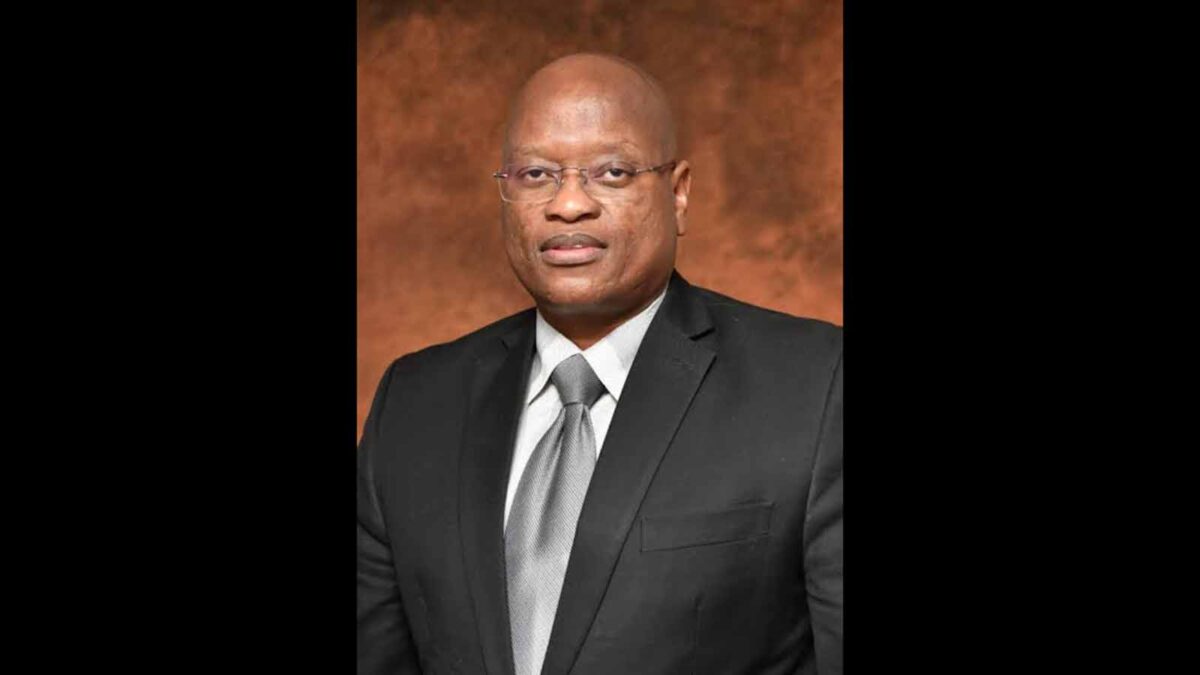
This was revealed by the Commissioner of South Africa’s Border Management Authority (BMA), Dr Michael Masiapato, during the launch of the VTS at Lebombo Port of Entry, on the border with Mozambique on Sunday.
He said the system, launched at the coalface of operations, was designed to move border management from reliance on the naked eye to smart, data-driven targeting.
He said vehicle-related crimes were no longer isolated incidents, with syndicates using fake documents, cloned plates and fraudulent bank authorisation letters to smuggle vehicles across borders in broad daylight.
It is understood that for Zimbabwe, which shares the busy Beitbridge border with South Africa – the gateway for thousands of vehicles daily – the development signals tighter regional collaboration involving security authorities in reducing vehicle smuggling, trafficking and other cross-border crimes.
“A car is hijacked in Johannesburg on a Tuesday night; the owner is held for about 8 hours to deter him from reporting. Within that period, the vehicle arrives at a port of entry, fake documents are presented and the vehicle is processed to exit the country,” he said.
Dr Masiapato said every vehicle that leaves South Africa unlawfully is paid for twice – by the owner and by other motorists through rising insurance premiums.
He said the new system works in four steps and it includes having cameras above the lanes read number plates of every vehicle, day and night.
“A central system then checks each plate within seconds against records of stolen vehicles, cloned plates, falsified ownership and financed vehicles travelling without the bank’s consent,” he said.
“Where an anomaly is detected, an alert is sent instantly to the Border Guard at the boom and to supervisors on a handheld device.
“The guard then verifies the licence disc, photographs the number plate and checks the Vehicle Identification Number (VIN) on the chassis.
“That is the right division of labour. The machine does the looking and the Border Guard does the judging.”
Dr Masiapato said the system has been running since April 1, 2026.
In its first three months at three ports, he said, it recorded 422 107 vehicle sightings and that in the following three months at five ports, it monitored another 170 962 vehicles.
He added that 277 Border Guards have been trained and are operating 22 devices.
“In six months, the system has led to 83 vehicle recoveries valued at R46,6 million. These include seven stolen vehicles, eight with falsified ownership, eight cloned vehicles, 27 stopped on false bank letters and 33 financed vehicles returned to their owners,” he said.
“In addition, 1 817 vehicles were stopped this year after drivers failed to produce consent letters from financing institutions, with an estimated value of R636 million.”
The Commissioner said compliance was improving and that in the quarter to September, 27,9 percent of financed vehicles arrived with valid border letters, up from 23,7 percent in the previous quarter.
At Maseru Bridge, he said, compliance rose from 13,2 percent to 30 percent, while at Lebombo it rose from 23,4 percent to 37,9 percent, with alerts for vehicles without letters falling from 1 697 in July to 793 in September.
The system, he stressed, has not cost the South African taxpayer. The application, devices, data, camera installations and training are provided by the International Vehicle Identification Desk (IVD) under a Memorandum of Understanding, with support from the motor industry, banks and insurers.
“No private party decides who is stopped. The screening rules are the Authority’s. The decision is the Authority’s. Every record belongs to the state,” said Dr Masiapato.
The VTS is currently operational at six ports – Maseru Bridge, Lebombo, Vioolsdrif, Beitbridge, Ficksburg and Caledonspoort.
The BMA plans to expand to eight ports by February 2027, with Qacha’s Nek, Oshoek and Kosi Bay next, followed by a full-year evaluation in March 2027 to consider extension to other land ports, airports and seaports.
Since the BMA’s establishment in April 2023, about 450 vehicles have been intercepted and handed to the South African Police Service.
The commissioner said the launch at Lebombo, one of the busiest crossings on the Maputo Corridor, demonstrates a regional shift where borders are managed as decision-making platforms backed by shared intelligence.