
Paul Pindani in CHINHOYI
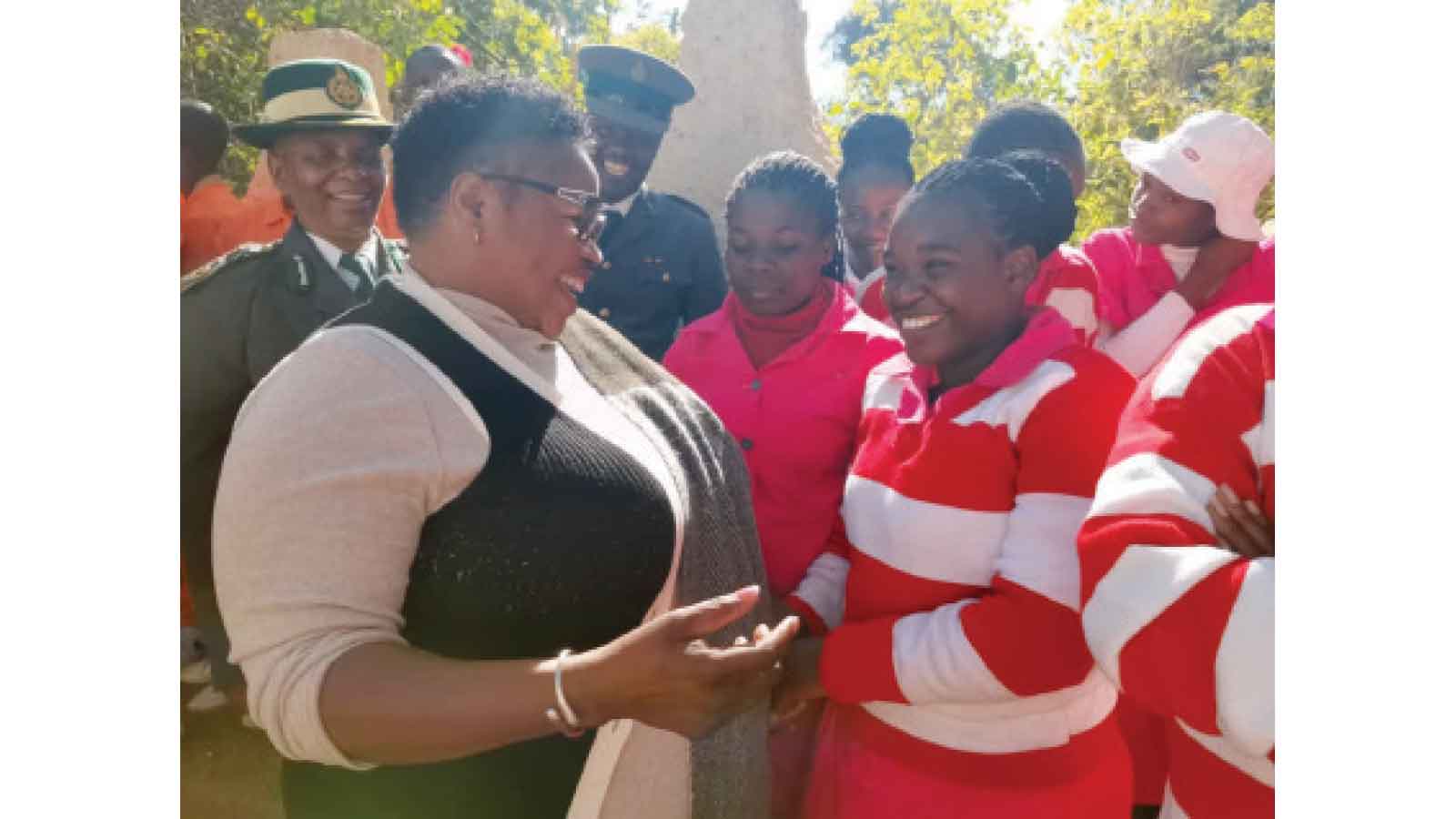
MASHONALAND West Minister of State for Provincial Affairs and Devolution, Marian Chombo, has underscored the importance of ensuring that rehabilitation of former inmates extends beyond prison walls.
She was speaking during a Stakeholders Engagement Meeting for the Pathways to Reintegration Foundation (PAREF) held at Caves Motel here.
She commended PAREF for developing programme clusters targeting inmates, ex-inmates, correctional officers and families.
“This inclusive approach truly demonstrates the principle of leaving no one and no place behind, which is consistent with both our national development aspirations and international development frameworks,” she said.
“This presents an important opportunity for the establishment of halfway homes and correctional community centres that can serve as transitional support structures for released offenders.“Such community centres can also become platforms for restorative justice and reparation programmes, where offenders are given opportunities to contribute positively through community service, skills transfer, agricultural projects and other productive initiatives. “In this way, communities become active participants in rehabilitation and reintegration rather than mere observers.”
She added: “While the Zimbabwe Prisons and Correctional Service continues to make commendable strides in transforming correctional institutions into centres of rehabilitation and skills development, the success of these efforts ultimately depends on how society receives and supports former inmates after release.
“These are practical interventions that give offenders an opportunity to rebuild their lives with dignity and purpose.”Min Chombo singled out the recently commissioned 100-Day Horticultural Production Cycle at Hurungwe Prison Farm as an inspiring example of how correctional institutions can contribute to national development.
“Such programmes demonstrate that correctional institutions can meaningfully contribute towards national development, food security and economic productivity while simultaneously equipping inmates with valuable livelihood skills.It was particularly encouraging to hear stakeholders acknowledging the importance of community acceptance and second chances.Reintegration cannot succeed where communities remain unwilling to embrace reformed individuals.
“We must appreciate that many offenders are capable of positive transformation when given appropriate support, guidance and opportunity.” said Min Chombo.