Online Reporter
Nqobile Bhebhe recently in Victoria Falls
RENEWABLE energy development in Zimbabwe offers a powerful opportunity not only for promoting environmental sustainability, economic growth and ensuring energy self-sufficiency but also for advancing gender equality in meaningful ways.
As the nation intensifies efforts to diversify its energy sources through solar, hydro and biogas projects, there is growing recognition of clean energy’s transformative impact especially for women and girls in both rural and urban communities.
The growing renewable energy sector presents new pathways for women in employment and leadership.
Their exclusion in decision making processes drags down and limits its potential impact.
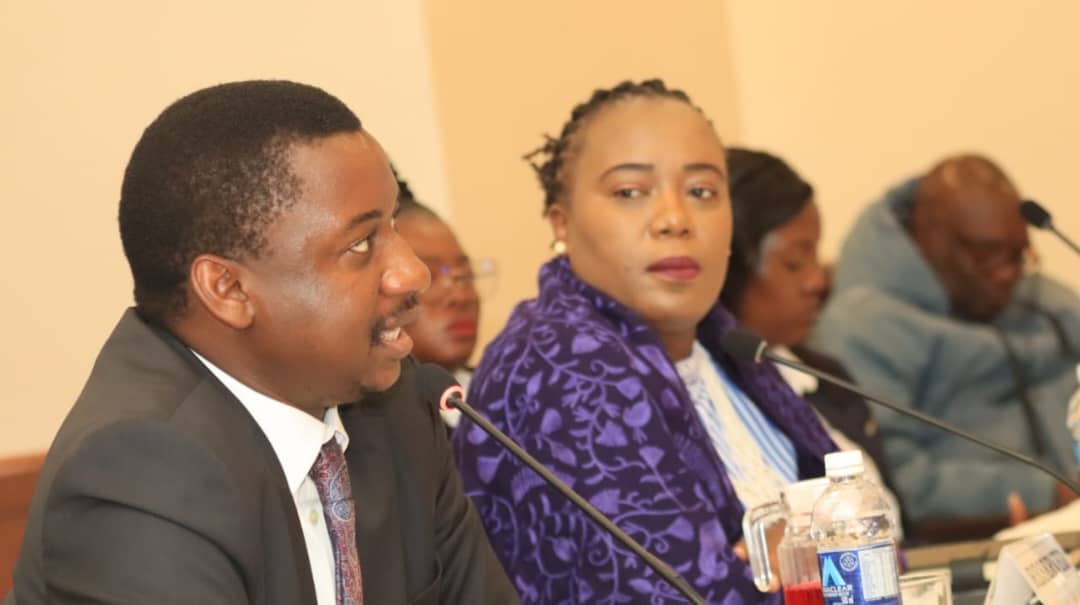
These sentiments were topical during the 6th edition of the International Renewable Energy Conference, held last week in Victoria Falls under the theme, “Sustainable Energy Investments for a Better Future.”
At the heart of the discussions at the conference was the critical role women play in the energy landscape.
Female energy experts pointed out that in many parts of the country, particularly in rural areas, women are the primary users and managers of household energy.
Traditional energy sources such as firewood place a heavy burden on women, exposing them to health risks and limiting opportunities for education and economic advancement, they said.
“Renewable energy, especially decentralised solar power, can drastically reduce the time spent gathering fuel, improve indoor air quality and provide lighting that extends productive hours into the evening,” said Mrs Makhosazana Mloyi on the sidelines of the conference.
“Solar home systems and mini-grids, for example, enable women to operate home-based businesses such as tailoring, baking and hairdressing, which previously may have been limited by lack of electricity.”
Dr Karen Kirton, an energy consultant and advocate for women’s empowerment noted that the transition to clean energy has far-reaching social and economic implications.
“Clean energy also plays a critical role in improving health and education, particularly for women and girls. Electrified health clinics can offer better maternal care and emergency services, while solar-powered lighting in schools allows girls to study safely at night,” she said.
Dr Kirton added that access to refrigeration for vaccines and medicine ensures improved healthcare outcomes especially for pregnant women and children.
She said renewable energy has a positive impact on water access and education.
“Renewable energy-powered water pumps significantly ease the physical burden of fetching water, a task often shouldered by girls, freeing up their time to attend school and helping reduce dropout rates. Girls’ education is one of the most powerful tools for national development, yet it is often compromised by energy poverty.
“With solar-powered lighting, students can study after dark and schools can operate digital learning tools, improving the quality of education. When many schools are powered, girls are more likely to stay in class, perform better and pursue higher education,” she explained.
Delegates also stressed that Zimbabwe’s growing renewable energy sector presents new pathways for women in employment and leadership.
It was noted that with the right support, women can thrive as solar technicians, engineers, entrepreneurs and policymakers.
“By investing in women’s capacity in the renewable energy sector, Zimbabwe is nurturing a new generation of female leaders and innovators,” said Dr Kirton.
She underscored the importance of gender-inclusive policies and targeted training programmes to ensure women are not left behind saying when women are empowered through access to clean, affordable energy, it leads to thriving communities and sustainable development which becomes a shared reality.
Permanent Secretary in the Ministry of Energy and Power Development, Dr Gloria Magombo said the country is not back tracking on renewables as they have immense benefits especially for women.
“Our rural communities stand to benefit more from the adoption of renewables. Women and girls are projected to be major beneficiaries especially in rural communities. Therefore, the renewable drive will not be slowed down or abandoned, women will be empowered and so will the society “ she said.
Economist Ms Alice Chironzi warned that the exclusion of women from solar-powered initiatives undermines the full potential of the sector.
“When women are not included in solar-powered projects, half of the potential labour force is effectively sidelined.
This often results in missed opportunities for tapping into a broad pool of talent, skills and perspectives. Solar energy initiatives that fail to involve women limit their capacity to scale up and innovate, especially in regions where women make up a significant portion of the agricultural and informal sectors,” she said.
According to Ms Chironzi, the absence of many women in technical roles, management and decision-making levels stifles knowledge transfer and local capacity building.
“Excluding women from solar-powered projects means missing a critical opportunity for economic empowerment that could drive broader community development. Women who are trained as technicians, entrepreneurs, or energy advocates can generate income, support their families and stimulate local economies. On the other hand, large scale exclusion limits the overall economic impact of solar investments and sustains cycles of poverty and inequality,” she said.
According to the newly launched National Energy Efficiency Policy document, gender is a major factor in the Energy Efficiency (EE) sector since access to energy affects women and men differently due to their different roles and responsibilities in households, markets and communities.
This makes the access, use and impact of energy services different for women and men, it said.
The policy notes that the Government remains committed and sensitive to upholding gender inclusion in all areas of this Energy Efficiency Policy.
“Women and youth can be powerful agents for change in the transition to a sustainable and energy-efficient Zimbabwe through the strategies such as identification of role models at early stages in EE space, equal gender participation in all EE promotional activities and include EE training in school curricula from ECD level.
“Their involvement in the design, distribution, management and consumption of sustainable energy solutions is a critical pathway for reaching the SDGs as well as the objectives of this Policy.
“The Government fully commits to gender equality and equity. It shall continue to support women and youth entrepreneurs, community-based organisations, SMES and large-scale corporates in the transition to EE.
“The transition to EE creates benefits and opportunities for both women and men, such as job creation, market opportunities and better health conditions. All the interventions in this Policy are subject to gender inclusivity, equity, and equality,” reads part of the document.
As part of checks and balances, the policy document notes that there will be a needs analysis to understand the varying needs of men and women.
In addition, there is a need to have gender/sex disaggregated data in all the interventions in the energy sector. This will assist reviewing policies and ensure that both men and women have equal opportunities and benefit from such initiatives.
Measures shall be devised and put in place to establish and define energy-related sex aggregated data.
The policy further indicates that the Government shall seek to promote targeted capacity building of women and youth as the primary energy consumers and carriers of the greatest burden of sourcing energy, especially in rural areas, at the household level, such as biogas and firewood.
It will also promote the development of user-friendly, energy-efficient gadgets for women, girls, and youth, especially those in rural areas.
“The gender focal person in all ministries shall be kept abreast of any developments in the energy sector and energy efficiency matters to propel feedback on the implementation of the policy and collaborate and share information with other relevant line ministries and partners,” reads the policy document.