admin
admin
Emmah Chinyamutangira Manicaland Correspondent
The Ministry of Energy and Power Development will this month launch renewable energy and bio-fuels policies to promote the uptake of sustainable renewable energy.
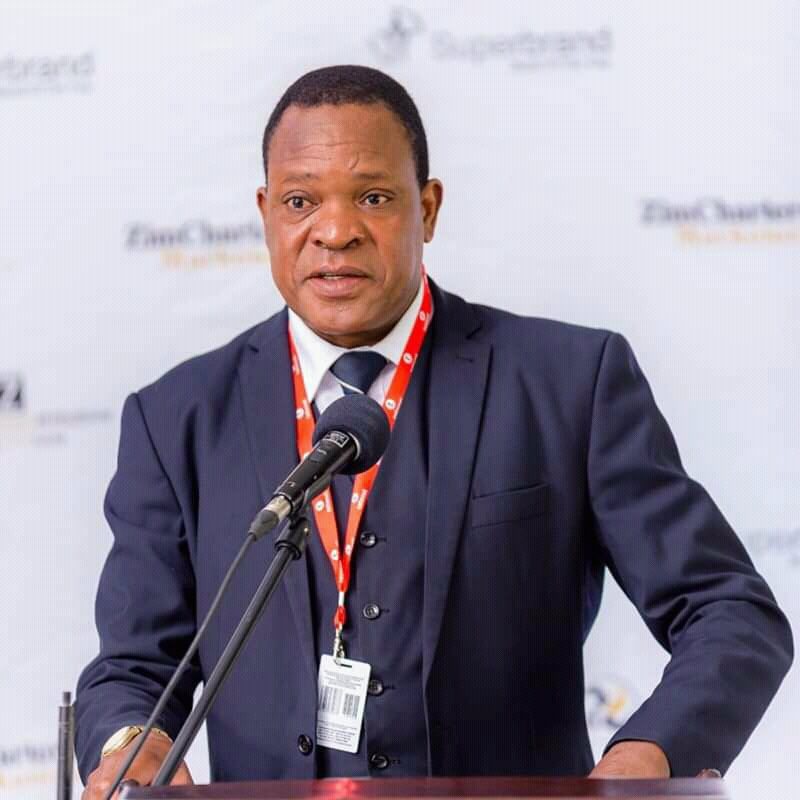
Speaking during an energy law training held recently in Mutare, Zimbabwe Energy Regulatory Authority (ZERA) legal officer Mr Taruberekera Madondo said Government aims to ensure that the energy sector drives economic growth.
“The Ministry of Energy and Power Development is launching other two policies this month that include Renewable Energy Policy and Bio-fuels Policy in a bid to promote uptake of renewable energy which require less maintenance and will never run out,” he said.
“The policies inspire legislation in the energy sector. The minister will give ZERA policy directions and ZERA’s functions as given in the Act.”
Mr Madondo said the functions and powers of ZERA were to regulate energy industry and ensure sufficient energy supply, guarantee fair pricing as well as promoting competition in the sector.
“These policies seeks to promote optimal supply and utilisation of energy for socio-economic development in a safe, sustainable and environmentally friendly manner,” he said.
“As ZERA, we want to increase access to affordable energy services to all the citizens of Zimbabwe, to stimulate sustainable economic growth and reduce the country’s heavy dependence on energy imports.”
Mr Madondo indicated that there were vast energy resources that were underutilised in Zimbabwe that included renewable energy, biomass and coal resources.
He said the resources presented investment opportunities.
“Zimbabwe’s energy supply is out-stripped by demand, thus creating plenty of opportunities for either direct investment in the sector or joint venture participation with the power utility,” said Mr Madondo.
“Solar energy in Zimbabwe is still far from being exploited at commercial level and biomass and waste which includes wood waste, municipal waste and large agricultural waste presents opportunities for the generation of electricity which can be utilised on site with electricity being fed into the national grid.”



 Online Reporter